TL;DR:
- A clean yard reduces pet stress by eliminating waste, chemicals, and pests that cause anxiety and discomfort.
- Consistent yard cleanup, especially with professional services, creates a predictable environment that keeps dogs calm and healthy.
A clean yard is one of the most direct ways to lower your pet’s stress levels. Pet owners often focus on diet, exercise, and vet visits, but the outdoor environment your dog spends time in every day shapes their physical health and emotional state just as much. Understanding why yard cleanup reduces pet stress gives you a practical edge, especially if you have a new dog or a yard with heavy use. The connection runs deeper than appearances. Waste, chemicals, pests, and clutter all create real stress triggers for dogs, and removing them changes how your pet experiences the outdoors.
Why yard cleanup reduces pet stress: the science behind it
A clean yard removes the environmental stressors that trigger anxiety and physical discomfort in dogs. Dogs process the world primarily through smell. A yard full of old waste, chemical residue, and pest activity is, from your dog’s perspective, a minefield of alarming signals. Environmental psychology studies link tidy environments to lower anxiety in both pets and their owners. That finding matters because stress in pets is rarely one big event. It builds from repeated low-level exposure to things that feel threatening or unpleasant.
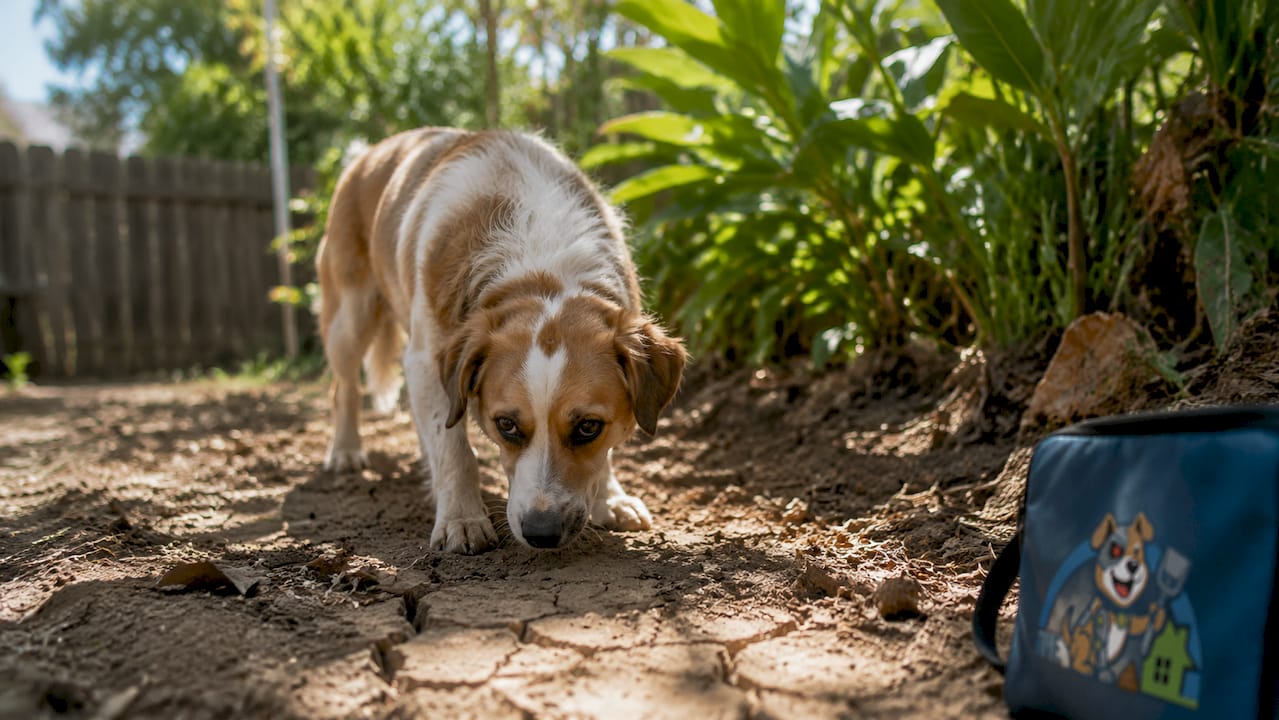
Dog waste is a major driver of this problem. Dog waste damages turf by being highly acidic, which kills grass and creates uneven, patchy ground that dogs find uncomfortable to walk on. Beyond the lawn damage, unremoved waste attracts pests like flies, ants, and rodents, which carry pathogens and increase infection risk. A dog that keeps encountering insects swarming around waste, or that picks up a parasite from contaminated ground, is a dog under constant low-grade stress.
Chemical exposure adds another layer. Research found that 14 of 25 untreated households showed detectable herbicide levels in dogs’ urine. That means your dog can absorb lawn chemicals even if you have never applied a single product to your yard. Drift from neighboring properties, residue on public grass, and tracked-in particles all contribute. The outdoor space your dog uses every day is not as clean as it looks.
Pro Tip: Wipe your dog’s paws for 15 seconds with a damp cloth every time they come inside. This one habit significantly lowers toxin ingestion from chemical residues picked up on walks and in the yard.
How does yard cleanliness affect pet behavior?
Dogs read their environment constantly. A yard with accumulated waste, overgrown patches, and pest activity sends signals that something is wrong. That ongoing alertness is exhausting for dogs and shows up as restlessness, excessive barking, reluctance to go outside, or digestive issues from ingesting contaminated material.
Routine waste removal prevents the buildup of visual and olfactory stress cues that provoke anxiety and reduce outdoor enjoyment. Think of it this way: a dog that steps outside into a clean, familiar space relaxes faster and plays more freely. A dog that steps into a yard full of old waste piles and buzzing flies stays on alert. The behavioral difference is visible within days of starting a consistent cleanup routine.
The benefits of yard cleanup for pets also extend to physical health. Pests attracted by waste do not stay outside. Pests carry pathogens indoors, creating a stressed household environment for pets. Fleas, ticks, and flies that breed near waste piles move into your home, increasing your dog’s exposure to bites, irritation, and disease. Keeping the yard clean breaks that cycle at the source.
Comparing yard cleanup methods for pet well-being
Not all cleanup approaches deliver the same results for your dog’s health and stress levels. The table below compares the most common options.
| Method | Pet safety | Consistency | Time cost | Best for |
|---|---|---|---|---|
| DIY daily waste removal | High if done correctly | Depends on owner schedule | 10–15 min per day | Single dog, small yard |
| Professional waste removal service | High, eco-friendly disposal | Scheduled, reliable | Minimal for owner | Multiple dogs, busy households |
| Synthetic lawn care products | Low to moderate | High | Low | Lawn aesthetics only |
| Organic lawn care (corn gluten meal, etc.) | High | Moderate | Moderate | Pet-safe lawn health |
| Infrequent bulk cleanup | Low | Poor | High when done | Not recommended for pets |
Professional pet waste removal services outperform DIY cleanup on one critical measure: consistency. Scheduling regular cleanups removes the mental burden from pet owners, which correlates with calmer pets. When owners are not stressed about the yard, they interact with their pets differently. That calm transfers to the dog.
Organic lawn care is the clear winner for chemical safety. Organic methods using slow-release nutrients like corn gluten meal improve soil and lawn resilience over multiple seasons without exposing pets to harsh chemicals. Synthetic fertilizers and herbicides work faster but carry real risk, especially for dogs that chew grass or lick their paws after outdoor time.
Key factors to weigh when choosing a cleanup method:
- Number of dogs. More dogs mean faster waste accumulation and a higher case for professional service.
- Yard size. Large yards with multiple zones are harder to monitor daily without a system.
- Chemical sensitivity. Dogs with skin conditions or allergies need organic lawn care as a baseline, not an upgrade.
- Owner schedule. Busy households that skip cleanup days create the exact inconsistency that raises pet stress.
Daily and seasonal habits that reduce pet anxiety outdoors
Consistent daily habits do more for your dog’s stress levels than any single deep-clean session. The goal is to make the yard predictably safe, not occasionally spotless.
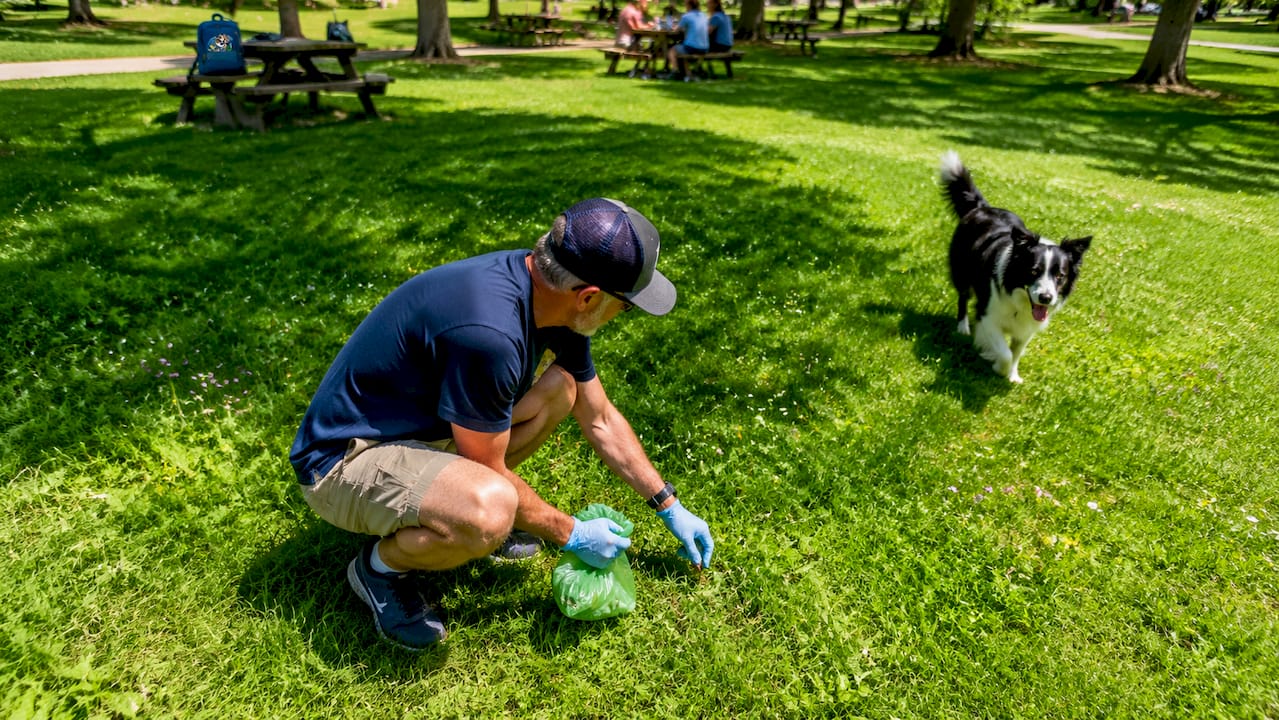
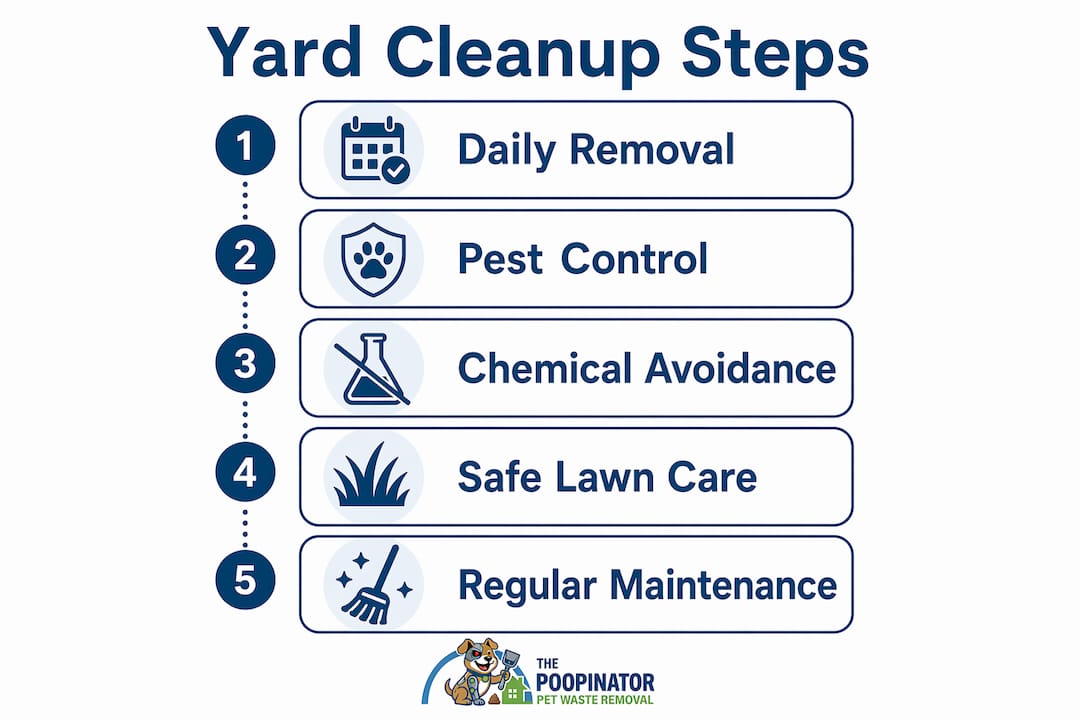
- Remove waste every day. Do not let it accumulate. One day of skipped cleanup is manageable. Three days creates a pest-attracting problem that takes a week to resolve.
- Wipe paws after every outdoor session. A 15-second wipe removes chemical residue, pollen, and bacteria before your dog tracks them inside or licks them off.
- Check for pest activity weekly. Look for ant trails, fly clusters, or rodent signs near waste areas, compost bins, and fence lines.
- Use pet-safe lawn products only. Read labels before applying anything. If a product does not explicitly state it is safe for pets after drying, treat it as unsafe.
- Create a designated play zone. A defined area with clean grass, no waste, and no chemical application gives your dog a reliable safe space outdoors.
Seasonal tasks matter too. In spring, clear winter debris, check for pest nests, and reseed bare patches caused by acidic waste damage. In fall, remove leaf piles where rodents shelter. These seasonal resets prevent the slow buildup of stressors that erode your dog’s comfort over months.
Pro Tip: For pet-friendly yard organization, mark a specific corner of the yard as the waste zone and train your dog to use it. Concentrated cleanup is faster and keeps the rest of the yard clean.
What are the biggest challenges in keeping a clean yard for pets?
Time is the most common obstacle. Pet owners with full schedules, multiple dogs, or large yards find daily cleanup genuinely difficult to maintain. The solution is not willpower. It is removing the decision entirely through scheduling or outsourcing.
Managing multiple dogs multiplies the waste volume and the pest risk. Two dogs produce enough waste in three days to attract a fly population that stresses both dogs and the household. Outsourcing pet waste removal removes the decision fatigue that leads to skipped cleanups and the stress that follows.
Chemical drift from neighbors is a challenge you cannot fully control. Even if your lawn is organic, a neighbor’s herbicide application can deposit residue on your grass within hours. The practical response is consistent paw wiping and avoiding letting your dog graze on grass near fence lines. You cannot eliminate the risk, but you can reduce your dog’s exposure significantly.
Balancing lawn aesthetics with pet safety trips up many owners. A thick, green lawn often requires fertilizers that are not pet-safe. The better trade-off is a slightly less perfect lawn managed with organic products. Your dog’s stress-free behavior in a chemical-free yard is worth more than a showroom lawn. Leaving dog waste also risks water contamination through nutrient runoff, which harms the broader environment your pet lives in.
Key Takeaways
A clean yard directly reduces pet stress by removing waste, chemicals, and pests that trigger anxiety and physical discomfort in dogs.
| Point | Details |
|---|---|
| Waste removal is non-negotiable | Dog waste attracts pests and damages turf, creating daily stress triggers for pets. |
| Chemical exposure is invisible | Detectable herbicides appear in dogs’ urine even from untreated yards, making paw wiping critical. |
| Consistency beats intensity | Scheduled daily cleanup outperforms occasional deep cleans for reducing pet anxiety. |
| Organic lawn care protects pets | Slow-release organic products improve lawn health without exposing dogs to harsh chemicals. |
| Outsourcing reduces owner stress too | Professional cleanup services create predictable environments that calm both pets and their owners. |
What I’ve learned from years of watching yards transform
I have seen the same pattern repeat itself more times than I can count. A dog owner calls because their dog has started refusing to go outside, barking at the fence, or scratching constantly. Nine times out of ten, the yard has a waste buildup problem, a pest issue, or both. The owner has been managing it inconsistently, skipping days, and assuming the dog will just adapt.
Dogs do not adapt to stressful environments. They signal distress in the only ways they know how. The good news is that the fix is almost always simpler than the owner expects. Two weeks of daily waste removal, a switch to organic lawn products, and a paw-wiping habit at the door produces a noticeably calmer dog. The yard shifts from a source of stress to what it should be: a place your dog wants to be.
The mental health benefit for owners is real too. Owners who outsource or schedule their cleanup stop carrying the low-level guilt of a neglected yard. That shift in owner energy is something dogs pick up on immediately. A relaxed owner and a clean yard together create the kind of outdoor environment where dogs genuinely thrive. The simplest version of improving pet well-being with yard work is just showing up consistently. You do not need a perfect lawn. You need a clean one.
— William
The Poopinator makes clean yards simple for pet owners
Keeping up with pet waste removal is harder than it sounds, especially with multiple dogs or a packed schedule. The Poopinator has over 20 years of combined experience helping dog owners maintain clean, safe yards through reliable, eco-friendly waste removal plans.
Whether you need bi-weekly visits or twice-weekly service for a high-activity yard, The Poopinator builds a plan around your household. Hundreds of five-star reviews back up what pet owners already know: a consistently clean yard changes how your dog behaves outdoors. Pet owners in Indiana can check out professional waste removal in Westfield, and those in Florida can explore dog poop cleanup in Orlando. You can also browse all service areas to find coverage near you.
FAQ
Does dog waste actually cause stress in pets?
Yes. Unremoved dog waste attracts flies, ants, and rodents that carry pathogens and create ongoing physical irritation for dogs. The buildup of waste also produces olfactory stress cues that keep dogs on alert rather than relaxed.
How often should I clean my yard to reduce pet anxiety?
Daily waste removal is the most effective schedule for reducing pet stress. Consistent daily cleanup prevents pest attraction and keeps the yard free of the sensory triggers that raise a dog’s anxiety.
Can lawn chemicals stress out my dog?
Yes. Research found detectable herbicide levels in dogs’ urine from 14 of 25 untreated households, meaning chemical exposure happens even without direct application. Wiping paws after outdoor time reduces ingestion significantly.
Is professional pet waste removal worth it for one dog?
Professional service delivers consistent scheduling that DIY cleanup often cannot match. For busy pet owners, the predictability of a professional visit prevents the skipped days that allow waste and pests to accumulate.
What is the safest lawn care approach for dogs?
Organic lawn care using slow-release nutrients like corn gluten meal is the safest option. These products improve soil health over multiple seasons without exposing dogs to the harsh chemicals found in synthetic fertilizers and herbicides.