TL;DR:
- A clean yard reduces health risks from bacteria, parasites, and chemical residues that can harm dogs. It also positively influences behavior and training by eliminating odor-driven bad habits and stress. Consistent waste removal and proper surface choices create a safe, comfortable environment that benefits both dogs and their owners.
Your yard might look fine from the patio, but if pet waste is sitting in the grass, hidden under leaves, or baking near the fence line, your dog is living in a hazard zone. Understanding why clean yard benefits dogs goes well beyond appearances. A well-maintained outdoor space directly shapes your dog’s physical health, behavior, and daily comfort. This guide breaks down exactly what’s at stake, what the science says, and what you can do about it starting today.
Table of Contents
- Key takeaways
- Why clean yard benefits dogs: the health case you can’t ignore
- Behavior, training, and what a clean yard actually teaches your dog
- Comparing yard surfaces for hygiene and dog comfort
- Practical tips for a dog-safe yard all year
- Environmental and community benefits of a clean yard
- My honest take on why this matters more than most owners think
- Let The Poopinator keep your yard clean and your dog healthy
- FAQ
Key takeaways
| Point | Details |
|---|---|
| Hidden waste poses real health risks | Dog feces can carry E. coli and roundworms, threatening your pet and your family. |
| Cleanliness shapes behavior | Odor-free yards improve potty training success and reduce habits like rolling in filth or digging. |
| Surface choice matters | Artificial turf, mulch, and natural grass each carry different hygiene and maintenance trade-offs. |
| Routine beats reactive cleaning | Daily and weekly yard care prevents pathogen buildup more effectively than occasional deep cleans. |
| Professional help is a real option | Scheduled waste removal services take the burden off owners while maintaining consistent hygiene. |
Why clean yard benefits dogs: the health case you can’t ignore
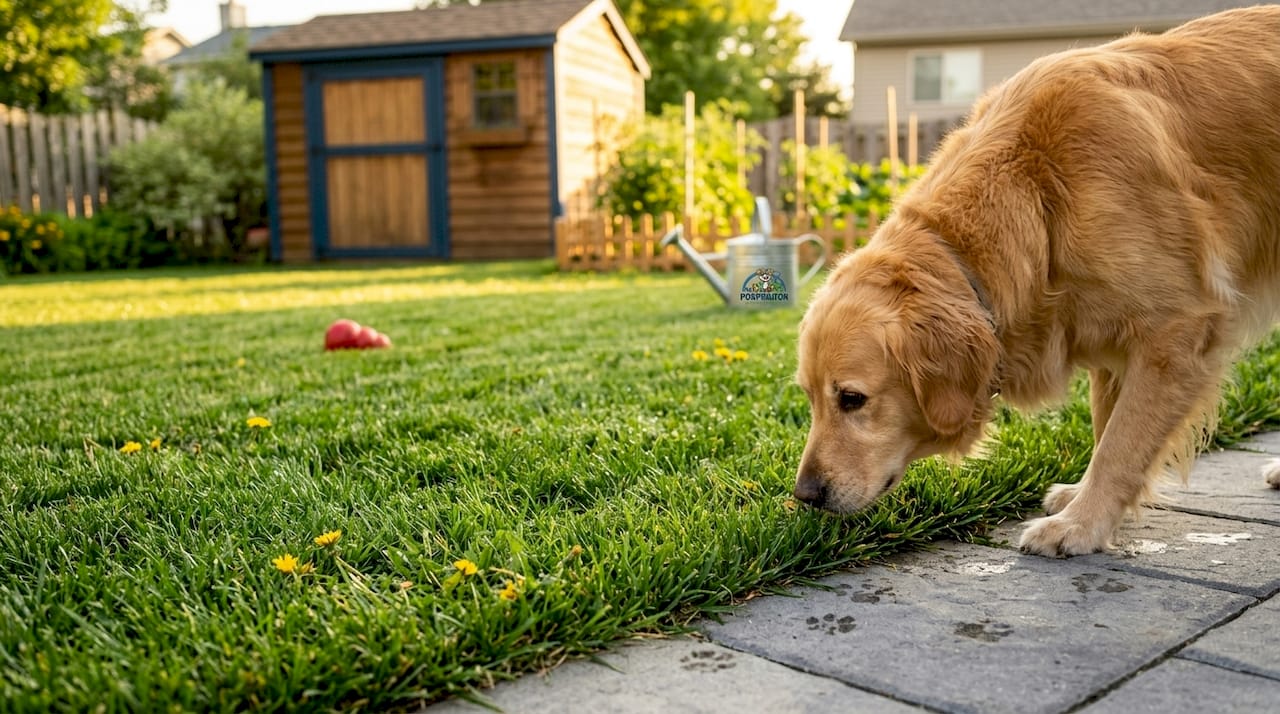
Most dog owners think about yard hygiene only when they step in something. But the real risks are quieter and more persistent than that. Dog feces left on the ground does not simply decompose harmlessly. It becomes a breeding ground for bacteria, parasites, and pathogens that your dog contacts with every step, sniff, and roll in the grass.
Here is what your dog is actually exposed to in a neglected yard:
- Bacterial contamination. Dog waste carries E. coli and similar bacteria that survive in soil long after the visible mess is gone.
- Intestinal parasites. Roundworms, hookworms, and giardia thrive in fecal matter and can reinfect your dog through paw-licking and ground contact.
- Decomposing leaf litter. A leaf-free yard reduces hidden dangers because decomposing leaves harbor bacteria, insects, and parasites that most owners overlook completely.
- Toxic plants and chemicals. Weed killers, pesticides, and fertilizers that aren’t pet-safe leave chemical residues that dogs absorb through skin and fur during normal grooming. Because dogs groom themselves frequently but bathe far less often than humans, those residues stay on the body much longer than most owners realize.
- Allergens and irritants. Dogs with sensitive skin or seasonal allergies can develop rashes, hotspots, and chronic itching from prolonged exposure to mold, pollen, and chemical residue in unmanaged yards.
Regular waste removal is the single most effective step in infection control. The longer feces sit, the more parasites hatch and the more soil contamination spreads. For dogs with allergies or sensitive skin, even the surface type matters. Mulch, concrete pavers, or well-maintained grass each carry different allergen and irritant profiles worth considering.
Pro Tip: Switch your lawn care products to pet-safe formulas like enzyme-based weed killers. Look for labels that specify non-toxic after drying, and always let the yard dry fully before letting your dog back outside.
Behavior, training, and what a clean yard actually teaches your dog
The role of clean yards in dog behavior is something trainers talk about constantly, but many pet parents overlook it entirely. Your dog’s environment is not a neutral backdrop. It actively reinforces habits, both good and bad.
Here’s how yard cleanliness connects directly to behavior:
-
Potty training sticks better in odor-free yards. Dogs are twice as likely to return to potty spots where scent molecules remain. Standard cleaning doesn’t remove those proteins. Enzymatic cleaners break them down at the molecular level, which is why the role of yard cleanliness for puppy training is so closely tied to what products you use, not just how often you clean.
-
Dirty yards create bad habits. When a yard smells like concentrated waste, dogs are drawn to sniff, roll, and dig in contaminated areas. These behaviors aren’t random. They’re triggered by the scent environment your yard creates.
-
Clean, designated play zones redirect instincts. Dogs don’t stop wanting to dig or mark territory when you yell at them. Providing a dedicated digging pit gives them an appropriate outlet while keeping the rest of your yard intact. Pair that with regular waste removal and you significantly reduce the scent-driven wandering that leads to fence destruction and flower bed disasters.
-
Reduced odor load lowers anxiety. Dogs process the world through smell. A yard overloaded with odors from waste, rotting matter, and chemicals creates constant sensory stress. A clean yard allows your dog to relax, explore calmly, and engage with you more readily.
-
Mental enrichment improves in a clean space. Sniff walks, play, and training sessions in the yard are more productive when the environment isn’t overwhelming. Your dog can focus on you instead of compulsively tracking every contamination hotspot.
Pro Tip: When establishing a potty zone for a new puppy, pick a single spot, clean it with an enzymatic cleaner after each use, and consistently guide your pup there. Within two to three weeks, the routine becomes self-reinforcing because the scent history in that one spot is controlled and intentional.
Comparing yard surfaces for hygiene and dog comfort
Not every yard surface handles waste, odor, and cleaning equally. The surface you choose shapes how much maintenance your yard actually needs and how comfortable your dog is day to day.
| Surface | Hygiene | Maintenance | Dog comfort | Best for |
|---|---|---|---|---|
| Natural grass | Moderate | High (mowing, watering, reseeding) | High (soft, cool) | Dogs who love to run and roll |
| Artificial turf | High (if drained correctly) | Medium (rinsing required) | Medium (can get hot) | Low-maintenance yards with active dogs |
| Mulch | Low to medium | Low | Medium (soft, natural) | Allergy-prone or sensitive-paw dogs |
| Concrete or pavers | High | Low | Low (hard, hot in summer) | Mostly shaded yards or perimeter areas |
| Gravel or pea gravel | Medium | Low to medium | Low (paw discomfort for some dogs) | Dogs that don’t spend long hours outside |
Artificial turf has grown popular because it handles drainage well and keeps paws cleaner than muddy grass. However, proper installation with drainage backing is non-negotiable. When that base is skipped, urine and waste odors embed in the turf permanently, which is a common source of buyer regret. Done right, turf stays cleaner with a weekly rinse. Done wrong, it smells worse than bare dirt.
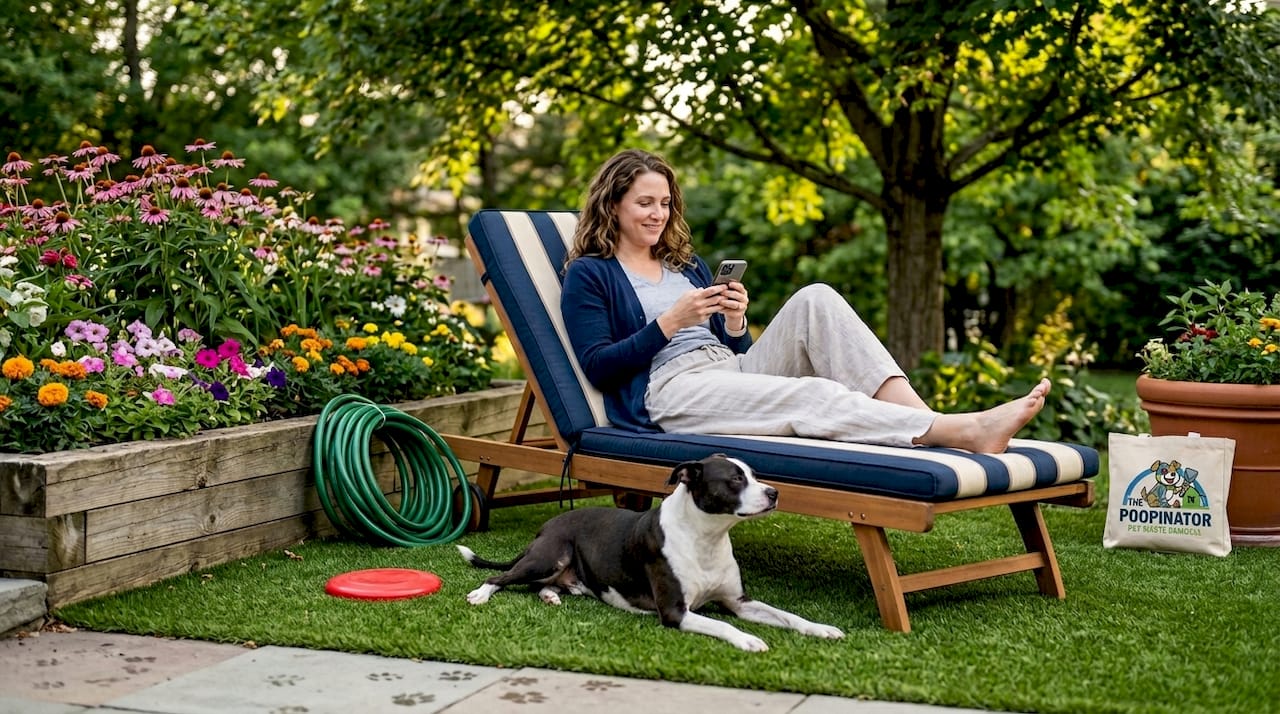
Natural grass remains the most comfortable surface for most dogs physically, but it demands the most from you. Waste needs to be removed before it kills grass patches, attracts flies, or creates pathogen hot zones. For dogs with skin irritation or allergies, a grassless setup with mulch or pavers can genuinely improve their quality of life, not just make your yard easier to manage.
Practical tips for a dog-safe yard all year
A healthy environment for dogs doesn’t require a landscaping overhaul. Consistent, simple routines do most of the heavy lifting.
- Remove waste at minimum every two days. The longer it sits, the more parasites develop and the more contaminated soil becomes. High-traffic yards with multiple dogs need daily removal.
- Use pet-safe products for every treatment. Weed control, fertilizers, and pest sprays should all carry pet-safe certification. Always confirm the dry time before letting your dog back out.
- Designate a digging zone. Fill a sand or soil pit in one corner and redirect your dog there consistently. Mark it with a different ground cover so the boundary is clear.
- Provide shade and water. A shaded rest area reduces heat stress during summer play sessions and gives your dog a reason to stay in the yard rather than scratching at the door.
- Check under decks, shrubs, and along fence lines. These areas collect waste that goes unnoticed for weeks. Professional services check flower beds and hidden corners that most owners miss entirely.
- Clean up leaves and debris seasonally. Fall and winter cleanup is not optional if you want a safe yard. Leaves mat down and trap moisture, waste, and insects that become hazards by spring.
Setting up a consistent waste pickup routine is the single most practical thing most dog owners can do for their yard this week.
Environmental and community benefits of a clean yard
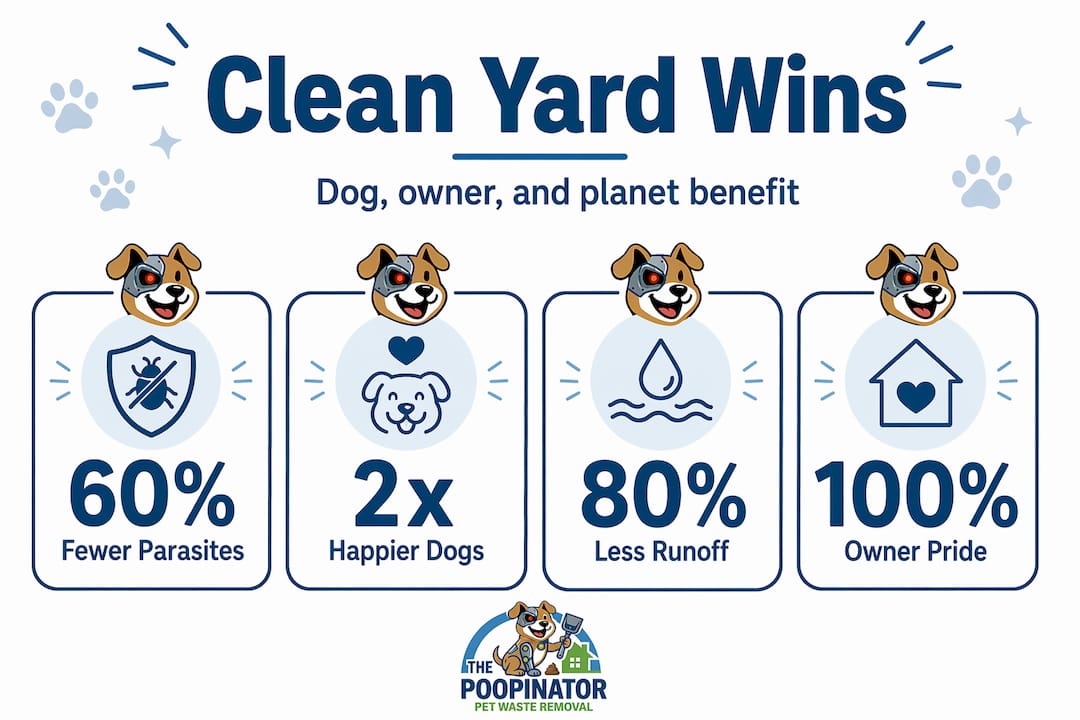
The importance of yard cleanliness extends beyond your fence line. Dog waste left outdoors eventually washes into storm drains during rain, contributing bacterial contamination to local waterways. The EPA has listed pet waste as a significant source of water pollution in residential areas. That’s not a small footnote.
| Benefit | Impact |
|---|---|
| Reduced pathogen runoff | Cleaner local water sources and lower risk of contamination in shared green spaces |
| Fewer pests | Less fecal matter means fewer flies, mosquitoes, and rodents attracted to your yard |
| Lower odor for neighbors | Consistent cleanup prevents the persistent smell that strains community relationships |
| Eco-friendly disposal | Bag and bin disposal, composting programs, or sustainable waste disposal methods reduce landfill and environmental load |
Using dog-friendly yard ideas that prioritize drainage and waste management also reduces your personal carbon footprint while keeping your space genuinely livable for your pet and your neighbors.
My honest take on why this matters more than most owners think
I’ve worked with dog owners long enough to see a clear pattern. The ones who call about persistent bad behavior, chronic skin issues, or failed potty training almost always have the same thing in common: a yard that has been managed inconsistently.
What I’ve learned is that yard cleanliness isn’t about perfectionism. It’s about feedback loops. A dog who spends hours in a contaminated yard is receiving constant signals that reinforce anxiety, bad habits, and health problems. A dog who has a clean, scent-managed outdoor space relaxes differently. They play more freely. They respond better during training. Their vet visits change.
The maintenance hurdle is real. Life gets busy. Scooping in the rain or cold is genuinely unpleasant. But I’ve found that the owners who set up a regular schedule, whether that’s personal commitment or professional help, stop thinking about it as a chore within a few weeks. It just becomes part of how they care for their dog.
The cleanest yards I’ve seen aren’t owned by people who obsess over appearances. They’re owned by people who understood early that how yard cleanliness affects dogs is a health issue. And that framing changed everything about how they maintained their space.
— William
Let The Poopinator keep your yard clean and your dog healthy
Knowing what to do and actually doing it consistently are two very different things. That’s exactly where The Poopinator steps in.
The Poopinator offers professional pet waste removal plans built around your schedule and your yard’s needs. Bi-weekly and twice-weekly options cover everything from single-dog homes to high-activity multi-dog yards. Every visit includes a thorough check of the whole outdoor space, not just the obvious areas. Waste is disposed of using eco-friendly methods that minimize environmental impact, something that matters if you care about what goes into local waterways.
With over 20 years of combined experience and hundreds of five-star reviews, The Poopinator has earned its reputation one clean yard at a time. If you’re ready to stop guessing and start seeing results for your dog’s health and happiness, explore professional waste removal options and find the plan that fits your life.
FAQ
How does a dirty yard affect a dog’s health?
Unclean yards expose dogs to bacteria like E. coli, intestinal parasites like roundworms, and chemical residues from lawn products. These hazards cause infections, digestive illness, and chronic skin problems that are entirely preventable with regular cleanup.
How often should I remove dog waste from my yard?
Waste should be removed every one to two days at minimum. Yards with multiple dogs or high activity benefit from daily removal to prevent parasite development and soil contamination.
Does yard cleanliness actually help with puppy potty training?
Yes, significantly. Dogs are twice as likely to re-use potty spots where scent remains, so cleaning those areas with enzymatic cleaners is key to establishing new habits and directing puppies to the right spot consistently.
Is artificial turf better than grass for dog owners?
Artificial turf can be easier to clean and keeps paws drier, but it requires proper drainage installation to avoid trapped odors. Natural grass is more comfortable for most dogs but demands more frequent waste removal and maintenance.
What’s the easiest way to keep a yard clean with dogs?
Establish a fixed pickup schedule, use pet-safe lawn products, designate a specific potty zone, and consider professional waste removal services for consistent, thorough results without the time commitment.