
TL;DR:
- Pet owners should complete yard cleanup 24 to 72 hours before hurricane landfall to prevent water contamination. Assembling a sanitation kit with waste bags, bleach, and gloves early in hurricane season is essential for effective pet waste management. Protect your pets after storms by keeping them leashed, avoiding standing water, and updating vaccinations against hazards like leptospirosis.
Hurricane prep yard pet waste cleanup is the practice of removing and safely disposing of all pet waste from your yard before a storm makes landfall, combined with sanitation steps that protect your family, pets, and local water supply. Unmanaged dog waste left in a yard during a hurricane becomes a serious health hazard. Floodwaters carry bacteria, parasites, and pathogens directly into storm drains, neighboring yards, and groundwater. Pet owners in hurricane-prone areas need a clear, timed plan that covers waste removal, sanitation kit assembly, and post-storm pet safety. This guide gives you exactly that.
What tools and supplies do you need for hurricane pet waste cleanup?
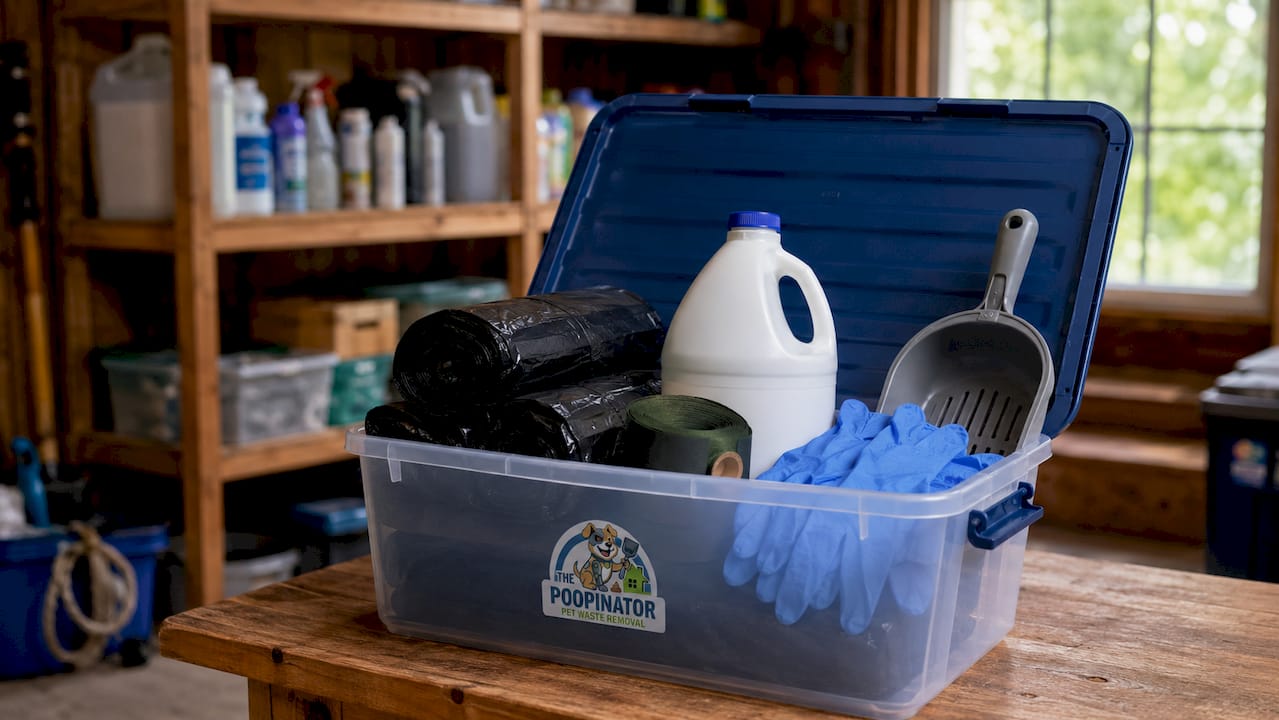
A proper sanitation kit is the foundation of any effective pre-storm pet waste plan. Without the right supplies on hand, you will scramble at the worst possible time. Assembling your kit early in hurricane season removes that risk entirely.
Your kit should include these core items:
- Pet waste bags (a full box, not just a handful)
- Heavy-duty trash bags rated for outdoor use
- A spare litter box with extra litter if you have cats
- Household bleach for disinfecting surfaces
- Disposable gloves and closed-toe shoes for handling waste
- A dedicated scooper or rake kept separate from garden tools
The bleach in your kit serves a specific purpose. Mix 1 part bleach with 9 parts water to create a disinfecting solution for hard surfaces, waste containers, and tools. Avoid scented or color-safe bleaches, as they reduce the disinfecting power of the solution.
Pro Tip: Store your sanitation kit in a waterproof bin near your back door. You want it accessible in the 72 hours before landfall, not buried in a garage closet.
| Supply | Purpose |
|---|---|
| Pet waste bags | Bag and contain all solid waste before the storm |
| Heavy-duty trash bags | Double-bag collected waste for secure outdoor bin storage |
| Household bleach (unscented) | Disinfect tools, surfaces, and waste containers |
| Disposable gloves | Protect hands during waste handling and sanitation |
| Spare litter box and litter | Maintain indoor sanitation if outdoor access is cut off |
| Scooper or rake | Remove waste efficiently without direct contact |
Sanitation supplies must be accessible and stocked well before a storm watch is issued. Stores sell out of basics like bleach and heavy-duty bags within hours of a hurricane warning. Buy early.
When should you schedule yard cleanup before a hurricane?
Timing is the single most important factor in pre-storm pet waste management. The ideal final yard cleanup window is 24–72 hours before landfall. That window gives you enough time to collect, bag, and secure all waste before conditions deteriorate.
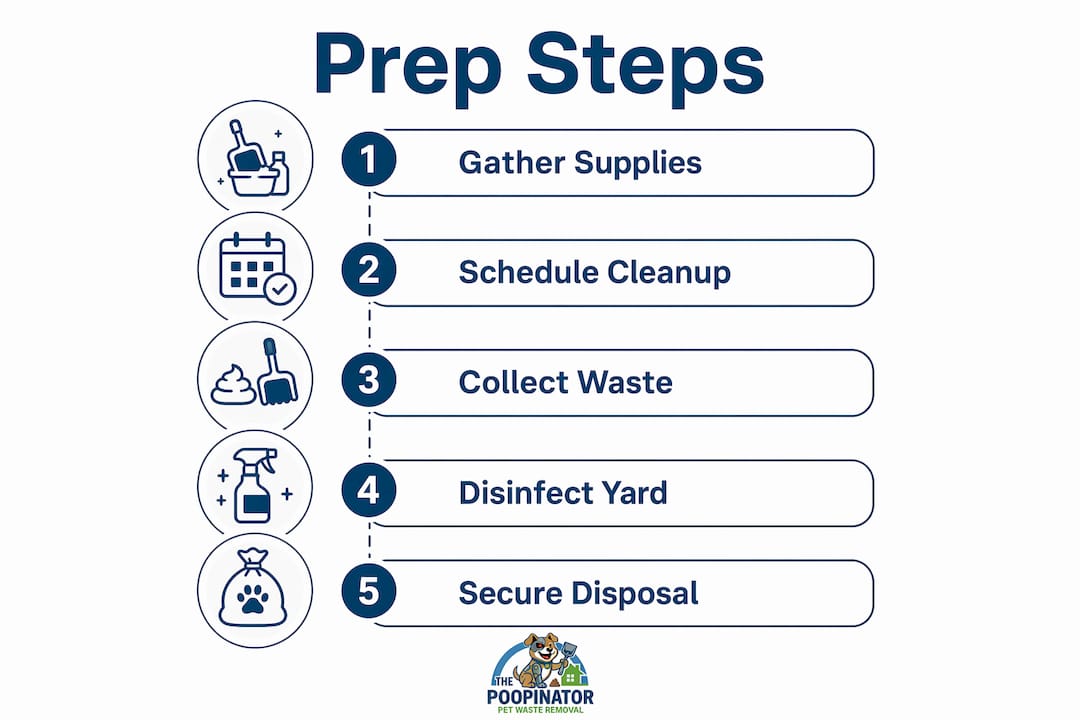
Follow this step-by-step process:
- Walk the entire yard at least twice, checking all areas your dog uses regularly, including fence lines, shaded corners, and near garden beds.
- Collect all visible waste using your scooper and place it directly into pet waste bags. Tie each bag securely.
- Double-bag the collected waste in heavy-duty trash bags. This prevents tears and leaks during heavy rain.
- Place bagged waste in a secured outdoor trash container with a locking or weighted lid. This stops storm runoff from carrying waste into the street or storm drains. Secure outdoor bins are the standard recommendation for preventing pet waste from entering storm water systems.
- Rinse your scooper and tools with your bleach solution and let them air dry.
- Do a final visual check of the yard surface before you bring your pets inside for the storm.
One step pet owners consistently skip is mowing. Do not mow over pet waste at any point during your prep. Mower blades shred waste and spread bacteria across a wide area of your lawn. That contamination becomes nearly impossible to address after a storm. If your lawn needs mowing, do it before your waste collection pass, not after.
Pro Tip: Schedule your final yard cleanup for the morning of the 48-hour mark before landfall. That gives you daylight, dry conditions, and time to re-check the yard if you miss a spot.
The environmental impact of pet waste is significant even in normal conditions. Before a hurricane, that impact multiplies because floodwater carries everything in your yard directly into shared water systems.
How do you protect your pets from yard hazards during and after a storm?
Pet safety during hurricane season goes well beyond keeping your dog indoors. The yard itself becomes a hazard zone once a storm passes, and pet owners who let dogs roam freely post-storm put them at serious risk.
Veterinarians consistently emphasize that health preparation matters as much as supply preparation. Vaccinations against leptospirosis are critical for dogs in hurricane-prone areas. Leptospirosis bacteria thrive in standing water and saturated soil, exactly the conditions your yard will have after a storm. The bacteria can persist in soil and water for weeks after a hurricane.
“Post-storm yards often hide dangers like displaced venomous snakes and leptospirosis-contaminated standing water, causing high risk to pets who roam outdoors. If your home is unsafe after a storm, it is equally unsafe for your pets.”
Key protective steps for pet owners include:
- Update vaccinations before hurricane season opens, particularly for leptospirosis and rabies.
- Stock a two-week supply of medications for any pet on regular treatment. Storm disruptions can cut off pharmacy access for days.
- Keep pets leashed or crated when outside after the storm. Do not allow free roaming until you have walked the yard yourself and confirmed it is clear of debris, standing water, and wildlife.
- Avoid all standing water in and around your yard. Treat it as contaminated until it drains and the ground dries.
- Watch for displaced wildlife, including venomous snakes that seek higher ground during flooding. Check under debris piles, near fences, and around your home’s foundation before letting pets outside.
- Pre-identify pet-friendly shelters in your area and confirm their policies before a storm threatens. Pet evacuation planning requires documentation, a carrier, and advance confirmation of shelter availability.
A first aid kit for pets, including wound wash, gauze, and your vet’s emergency contact number, belongs in your hurricane kit alongside your sanitation supplies.
What mistakes do pet owners make in pre-storm yard cleanup?
The most common mistake is waiting too long. Pet owners who start their yard cleanup after a hurricane warning is issued often run out of time. Conditions deteriorate fast, and a yard full of unmanaged waste becomes a contamination source the moment rain and wind arrive.
These are the errors that show up most often:
- Skipping the final cleanup pass entirely, assuming the storm will wash everything away. Storms do not clean yards. They spread contamination across a wider area.
- Using the wrong chemical cleaners on yard surfaces. Products with ammonia or strong fragrances can harm pets and do not effectively neutralize pathogens. Stick to the diluted bleach solution for hard surfaces.
- Leaving waste bags loose in the yard instead of placing them in a secured bin. Loose bags become projectiles in high winds and tear open in heavy rain.
- Mowing after waste collection instead of before. This spreads bacteria across the lawn surface and makes post-storm cleanup significantly harder.
- Ignoring the litter box for indoor cats. A storm that cuts power or limits outdoor access for days requires a clean, stocked indoor sanitation setup from the start.
Troubleshooting post-storm cleanup presents its own challenges. If your yard has standing water, wait for it to drain before attempting any cleanup. Work in sections, bagging waste as you go, and disinfect your tools after each session. The most common pet waste cleanup mistakes in normal conditions become amplified in storm recovery, so a methodical approach matters more than speed.
Pro Tip: Take a photo of your yard after your final pre-storm cleanup. That visual record helps you identify new contamination zones when you assess the yard after the storm passes.
Key Takeaways
Effective hurricane prep yard pet waste cleanup requires early action, the right sanitation supplies, and a clear understanding of post-storm health risks for your pets.
| Point | Details |
|---|---|
| Time your cleanup right | Complete your final yard waste removal 24–72 hours before hurricane landfall. |
| Build a sanitation kit early | Stock pet waste bags, heavy-duty trash bags, unscented bleach, and gloves before storm season. |
| Never mow over waste | Mowing spreads bacteria across your lawn and complicates post-storm recovery. |
| Protect pets from post-storm hazards | Keep dogs leashed, avoid standing water, and watch for displaced wildlife after the storm. |
| Update vaccinations before storm season | Leptospirosis vaccination is critical for dogs in flood-prone areas. |
What I’ve learned from years of watching pet owners prep for storms
Most pet owners treat yard cleanup as the last item on their hurricane checklist. That is exactly backwards. By the time you are boarding windows and filling sandbags, your yard cleanup window has already closed.
The pet owners who handle post-storm recovery best are the ones who treated waste removal as a first-week-of-hurricane-season task, not a last-minute scramble. They assembled their sanitation kits in june, walked their yards in july, and had a routine in place before any named storm appeared on the radar.
What surprises most people is how much the yard itself becomes the hazard after a storm, not just during it. I have seen dogs get into contaminated standing water within hours of a storm passing because their owners assumed the yard was safe. Leptospirosis does not announce itself. It sits in that puddle near your fence line and waits.
The other thing worth saying plainly: pet waste cleanup is not just a hygiene task before a hurricane. It is an environmental responsibility. Waste that enters storm drains during a hurricane travels directly to local waterways. That affects your neighbors, your community’s water quality, and the wildlife in your area. Treating it seriously is the right call regardless of storm season.
My honest advice is to build your sanitation kit, schedule your yard check, and get your dog’s vaccinations current before june 1 every year. Do not wait for a storm name to motivate you.
— William
How The Poopinator can help you get ahead of storm season
Yard cleanup before a hurricane is a lot to manage on top of everything else storm prep demands. The Poopinator offers professional pet waste removal services in hurricane-prone regions, with bi-weekly and twice-weekly plans that keep your yard consistently clear well before storm season peaks.
With over 20 years of combined experience and hundreds of five-star reviews, The Poopinator uses eco-friendly disposal methods that protect your yard and your local environment. A yard that is already on a regular cleanup schedule requires far less effort in that critical 24–72 hour pre-storm window. If you are in Orlando or the surrounding area, professional yard cleanup from The Poopinator keeps your outdoor space ready for whatever the season brings. You can also compare service plans to find the schedule that fits your yard and your dog’s activity level.
FAQ
What is the best time to clean up pet waste before a hurricane?
The ideal cleanup window is 24–72 hours before landfall. Completing cleanup in that window gives you time to bag, secure, and contain all waste before rain and wind arrive.
Can pet waste spread disease during a hurricane?
Yes. Floodwaters carry pet waste directly into storm drains and local waterways, spreading bacteria like leptospirosis. Leptospirosis bacteria can persist in soil and standing water for weeks after a storm.
What should go in a pet sanitation kit for hurricane prep?
Your kit needs pet waste bags, heavy-duty trash bags, unscented household bleach, disposable gloves, and a scooper. Mix bleach at 1 part bleach to 9 parts water for an effective disinfecting solution.
Is it safe to let my dog outside right after a hurricane?
No. Keep your dog leashed and walk the yard yourself first to check for standing water, debris, and displaced wildlife like snakes. Post-storm yards carry real hazards that are not always visible at a glance.
Should I update my dog’s vaccinations before hurricane season?
Yes. Veterinarians recommend updating leptospirosis and rabies vaccinations before hurricane season and stocking a two-week supply of any regular medications your pet needs.