
TL;DR:
- Delayed pet waste pickup spreads bacteria and contaminates soil and waterways, increasing health risks. Proper disposal involves sealing waste in bags and trashing it or flushing, avoiding unsafe methods like composting or storm drain disposal. Disinfecting after cleaning is essential to eliminate invisible pathogens and prevent re-infection or environmental harm.
The most common pet waste cleanup mistakes are delayed pickup, improper disposal, and skipping disinfection after cleaning. Each error carries real consequences: bacterial contamination, neighborhood odor complaints, and health risks for both pets and people. Pet waste management is not just about keeping your yard looking tidy. It directly affects the safety of your outdoor space, your dog’s health, and your neighbors’ quality of life. This guide covers the specific errors most dog owners make and exactly how to fix them.
1. Common pet waste cleanup mistakes start with waiting too long
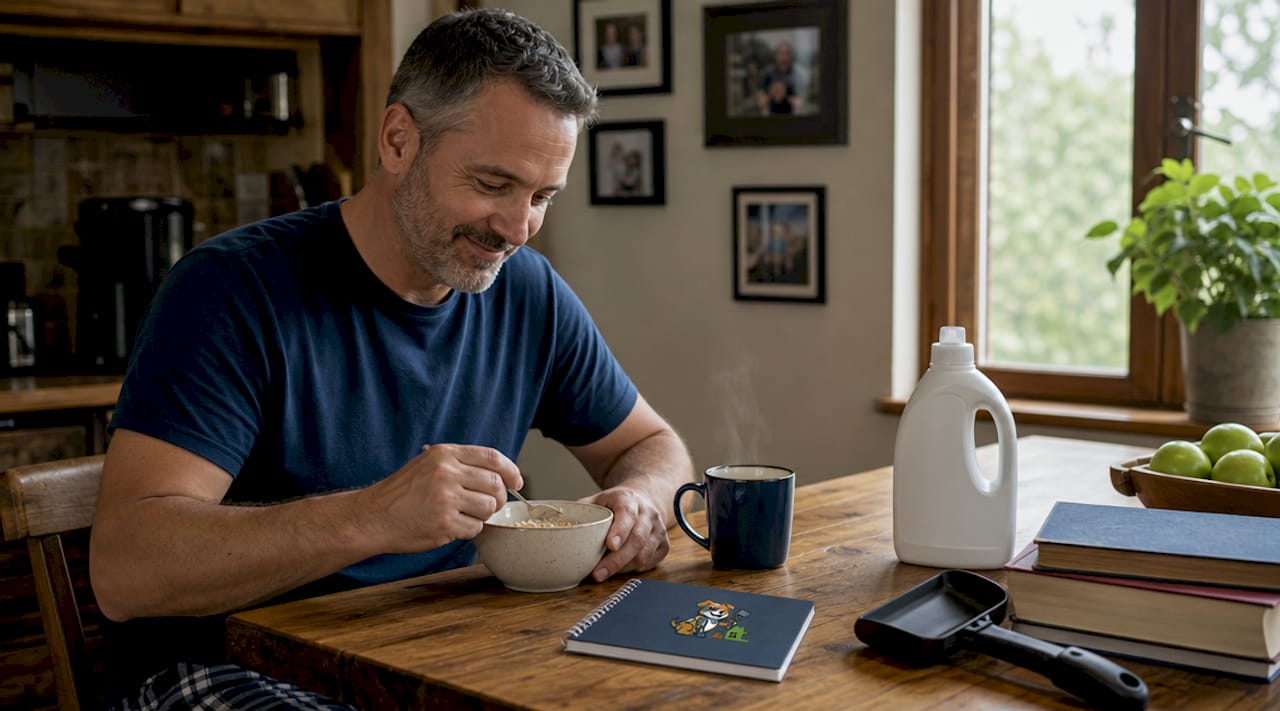
Delayed pickup is the single most damaging habit in pet waste management. Waste left on the ground spreads bacteria, creates persistent odor, and contaminates soil and runoff water the longer it sits. That contamination does not stay in one spot. Rain carries pathogens into storm drains and groundwater.
Experts recommend collecting waste at least every 24 to 48 hours to reduce the transmission of zoonotic diseases. Zoonotic diseases are illnesses that pass from animals to humans, including Giardia, Salmonella, and Campylobacter. Waiting until the weekend to do a full yard sweep is one of the most common pet waste errors owners make, and it is entirely avoidable.
- Pick up waste immediately after your dog goes whenever possible
- Set a daily reminder on your phone for a quick yard scan
- In multi-dog households, increase your pickup frequency to twice daily
Pro Tip: Tie your cleanup habit to an existing routine, like your morning coffee or evening walk, so it becomes automatic rather than a chore you postpone.
2. Throwing waste in the wrong place
Where you put the bag matters as much as picking it up. Many owners toss waste bags into storm drains, bury them in the yard, or add them to compost piles. All three are mistakes, and two of them are illegal in many municipalities.
Storm drain disposal sends raw pathogens directly into waterways with no treatment. Burying waste seems natural, but home composting fails to reach the 165°F temperature required to kill pathogens. That means the bacteria and parasites in buried or composted dog waste remain active and can leach into soil and groundwater. The safest standard method is sealing waste in a bag and placing it in your household trash bin.
Flushing solid waste down the toilet is actually the most environmentally sound option in many areas. Municipal water treatment systems are designed to handle biological waste safely. The key rule: flush the waste only, never the bag. For more on what actually works for eco-friendly disposal, the options vary more than most owners realize.
| Disposal method | Pros | Cons | Risk level |
|---|---|---|---|
| Household trash bin | Widely accepted, simple | Adds to landfill volume | Low |
| Flushing waste (no bag) | Treated by municipal systems | Not allowed in all areas | Low |
| Burying in yard | Feels natural | Pathogens survive without 165°F heat | High |
| Compost pile | Seems eco-friendly | Home piles rarely reach safe temps | High |
| Storm drain | None | Illegal, contaminates waterways | Very high |
Pro Tip: Biodegradable bags are better than standard plastic for reducing long-term waste, but they still end up in oxygen-starved landfills where breakdown is slow. Flushing the waste first, then disposing of the bag separately, is the most thorough approach where local rules allow it.
3. Cleaning without disinfecting
This is one of the most misunderstood pet waste cleaning errors. Cleaning removes visible debris. Disinfecting kills the pathogens that remain after the debris is gone. Cleaning alone does not eliminate Salmonella, Giardia, or Parvovirus from a surface. If your dog has had diarrhea on a patio, deck, or indoor floor, wiping it up without following with a pet-safe disinfectant leaves an invisible contamination zone.
The correct sequence is: remove solid waste, clean the area with soap and water, then apply a pet-safe disinfectant and allow it to air dry. Products containing accelerated hydrogen peroxide, like Rescue Disinfectant, are effective and safe around pets once dry. Bleach solutions work on hard surfaces but must be diluted correctly and rinsed thoroughly to avoid harming your dog’s paws.
Cleaning pet waste residues is insufficient without following up with disinfecting to truly sanitize the area. Pathogens like Giardia and Parvo survive on surfaces long after visible waste is removed.
Common sanitation mistakes to avoid:
- Using human baby wipes on your dog’s skin or paws after cleanup. Human wipes cause stinging and worsen inflammation because they are formulated for acidic human skin pH and contain fragrances that irritate pets.
- Skipping disinfection on grass or gravel areas because they look clean
- Using the same cleaning cloth or mop for pet areas and household surfaces
- Not wearing gloves during cleanup, then touching your face or food surfaces
4. Using the wrong tools and bags
Thin, single-layer bags are a false economy. They tear during pickup, which defeats the purpose entirely and creates a worse mess than you started with. Bags marketed as “pet waste bags” vary widely in thickness. Look for bags rated at least 15 microns thick, or double-bag with standard grocery bags if that is what you have on hand.
The same logic applies to scooping tools. Cheap plastic scoopers crack in cold weather and fail to fully collect waste from grass. Metal or heavy-duty plastic scoopers with a raking attachment handle grass and gravel far better. If you use a pooper scooper regularly, the tool itself becomes a contamination source unless you sanitize it after every use.
Skipping equipment sanitation is one of the less obvious mistakes in pet cleanup that professionals never make. Professional services sanitize tools and boots between every property visit to prevent cross-contamination of pathogens like Giardia and Parvo. Applying that same standard at home means rinsing your scooper with a diluted bleach solution and letting it dry fully before storing it.
5. Failing to build a consistent cleanup routine
Sporadic cleanup is almost as bad as no cleanup. One thorough yard sweep per week leaves six days of accumulation, which is enough time for fly populations to increase, odor to embed in soil, and children or pets to track waste indoors. Consistent, frequent removal is the core of effective pet waste management.
- Designate a specific area of your yard as the primary bathroom zone for your dog. This concentrates waste in one spot and makes daily pickup faster.
- Keep supplies at the door: bags, gloves, and a scooper within arm’s reach remove the friction that causes delays.
- Track your dog’s schedule. Most dogs defecate within 30 minutes of eating. Knowing this lets you plan pickups rather than react to them.
- If you have multiple dogs or young children who play in the yard, increase pickup to twice daily. The risk of accidental contact rises sharply with foot traffic.
Pro Tip: A small covered waste bin near your cleanup zone, emptied on trash day, eliminates the need to walk a bag across the yard to the main bin every time. This one change makes daily pickup feel effortless.
6. Ignoring the environmental impact of unmanaged waste
Pet waste is not a natural fertilizer. This is one of the most persistent myths in pet waste management. Dog waste is high in nitrogen and pathogens, and it acidifies soil rather than enriching it. Grass burns and yellows where waste sits repeatedly. The environmental contamination from unmanaged waste extends beyond your yard through runoff, affecting local waterways and contributing to algae blooms that deprive aquatic life of oxygen.
Neighborhoods with high dog populations and low cleanup compliance show measurable increases in fecal coliform bacteria in nearby streams. This is not a theoretical risk. It is a documented consequence of the collective impact of individual pet cleanup errors. Understanding how pet waste decomposes in your yard helps explain why even small amounts left behind accumulate into a real environmental problem over time.
Key takeaways
Avoiding common pet waste cleanup mistakes requires timely pickup, correct disposal, and proper disinfection every single time.
| Point | Details |
|---|---|
| Pick up within 24 to 48 hours | Delayed removal spreads pathogens and contaminates soil and runoff water. |
| Trash bin beats composting | Home compost piles never reach 165°F, leaving dangerous pathogens active. |
| Clean then disinfect | Cleaning removes debris; only disinfecting kills Salmonella, Giardia, and Parvo. |
| Use the right tools | Thick bags and sanitized scoopers prevent contamination and equipment failure. |
| Build a daily routine | Consistent, frequent pickup prevents odor, fly activity, and accidental contact. |
What 20 years of watching yards taught me about pet waste habits
Most owners I have worked with do not skip cleanup out of laziness. They skip it because the process feels inconvenient, and inconvenience compounds into neglect. The single biggest shift I have seen in yards that go from problematic to genuinely clean is not better products. It is a change in timing. Owners who pick up waste the same day it appears never deal with the odor, the fly problems, or the brown patches that owners who wait a week struggle with constantly.
The disinfection step is where I see the most resistance. People clean the area, it looks fine, and they move on. But Giardia and Parvo do not look like anything. They are invisible on a clean-looking patio, and they survive on surfaces for weeks. I have seen dogs reinfect themselves from their own yard because the owner cleaned without disinfecting. That is a vet bill and a sick dog that a bottle of pet-safe disinfectant would have prevented.
The composting myth is the one that surprises people most. It sounds responsible and eco-friendly, and that is exactly why it persists. But the biology does not support it at the home scale. Unless you are running a commercial composting operation with temperature monitoring, pet waste in your compost pile is a hazard, not a contribution. The trash bin, or flushing the waste itself, remains the most reliable option for the vast majority of dog owners.
If there is one thing I would tell every dog owner, it is this: treat your yard cleanup with the same consistency you bring to feeding your dog. Your dog eats every day. Your yard needs attention every day too.
— William
Let The Poopinator handle the dirty work for you
Staying on top of pet waste cleanup is straightforward in theory, but life gets in the way. Busy schedules, multiple dogs, and high-traffic yards make daily pickup a real challenge for most households.
The Poopinator offers scheduled pooper scooper service with bi-weekly and twice-weekly plans designed for exactly these situations. Every visit includes proper waste removal and tool sanitization to prevent cross-contamination, backed by over 20 years of combined experience and hundreds of five-star reviews. If you are in the area, reliable waste removal in Westfield is one call away. Stop managing the mess yourself and let a professional service keep your yard clean, safe, and odor-free year-round.
FAQ
How often should I pick up dog waste from my yard?
Waste should be collected at least every 24 to 48 hours to reduce the risk of zoonotic disease transmission. In multi-dog households or yards used by children, daily pickup is the safer standard.
Can I compost dog waste at home?
No. Home composting does not reach the 165°F temperature required to kill pathogens like Salmonella and Giardia, making the resulting compost biologically hazardous.
Is cleaning pet waste the same as disinfecting it?
Cleaning removes visible debris, but disinfecting kills pathogens like Salmonella and Giardia that remain on the surface after cleaning. Both steps are required for true sanitation.
Can I use baby wipes to clean my dog after an accident?
No. Human wipes cause stinging and skin irritation in pets because they are formulated for human skin pH and contain fragrances that are harmful to animals. Use pet-specific wipes instead.
What is the safest way to dispose of dog waste?
Sealing waste in a bag and placing it in the household trash bin is the most widely accepted method. Flushing the waste itself (without the bag) down the toilet is the most environmentally sound option where local regulations permit it.