

TL;DR:
- Managing pet waste is a landlord responsibility that affects property health, tenant satisfaction, and legal liability.
- Effective policies, consistent enforcement, and proactive removal solutions help maintain clean, safe, and attractive rental properties.
Pet waste management is a defined landlord responsibility that directly affects property health, tenant satisfaction, and legal standing. 67% of American households own a pet, and 53% of those own dogs. That scale makes pet waste removal in rental properties one of the most common maintenance challenges landlords face. Clear landlord pet waste policies, consistent enforcement, and practical removal solutions protect property value and keep tenants happy. Understanding why landlords manage pet waste removal starts with knowing what happens when no one does.
Why landlords manage pet waste removal: the core case
Pet waste management is the practice of establishing policies, providing resources, and enforcing cleanup standards to keep rental properties free of animal waste. The industry term for the broader practice is “pet waste management,” and it covers everything from lease addendums to professional removal services.
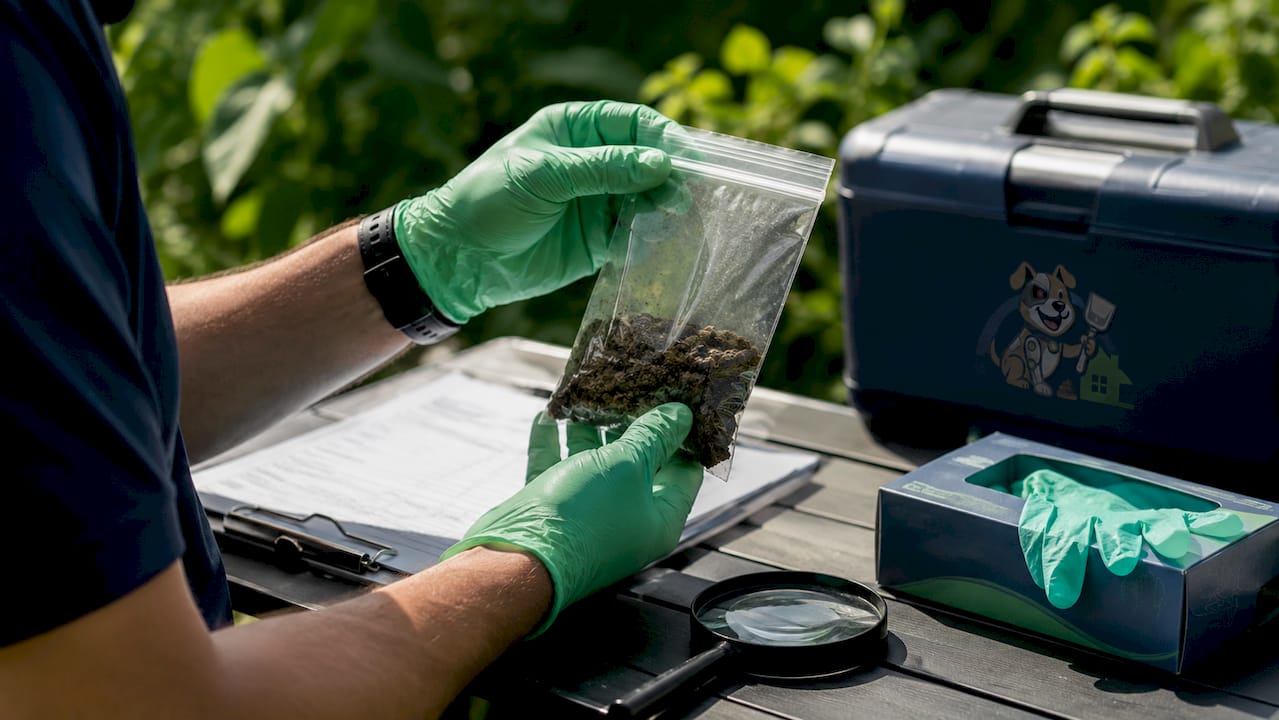
The case for active management is direct. Pet waste carries pathogens including Giardia, Salmonella, and E. coli that persist in soil long after the waste is no longer visible. Children playing in shared yards, other pets, and even adults who garden face real exposure risk. A landlord who ignores this is not just dealing with a nuisance. They are accepting liability.
Pet ownership and landlord responsibilities are legally linked in most states. Lease agreements that include signed pet addendums give landlords the legal standing to enforce cleanup rules. Without that documentation, enforcement becomes difficult and exposes landlords to discrimination claims if they apply rules unevenly.
What health and environmental risks does unmanaged pet waste pose?
Unmanaged pet waste creates layered risks that go well beyond bad odors. The health threats are specific and documented.
Pathogens that persist in shared spaces
Uncollected waste harbors Giardia, Salmonella, E. coli, and intestinal parasites. These pathogens do not disappear when waste dries out. They contaminate soil and can transfer to hands, shoes, and pets. Children are especially vulnerable because they play at ground level and often touch their faces.
The environmental impact extends beyond the property line. Rainwater carries bacteria from untreated waste into storm drains and local waterways. This contributes to water quality violations that affect entire neighborhoods, not just the rental property.
The decomposition problem
Pet waste takes about nine weeks to decompose fully. Nine weeks is a long time for odors to build up in shared courtyards, near entryways, and along walking paths. That timeline means a single dog producing waste daily can leave dozens of deposits in various stages of decomposition across a property at any given time.
The odor issue drives tenant complaints faster than almost any other maintenance problem. Tenants without pets resent the smell and the health risk. Pet owners who do clean up after their animals resent neighbors who do not. Both groups hold the landlord responsible for the condition of shared spaces.
Key risks landlords face from unmanaged pet waste include:
- Pathogen exposure to children, elderly residents, and immunocompromised tenants
- Soil and water contamination from bacteria migrating through runoff
- Persistent odors in common areas that reduce quality of life
- Lawn and landscaping damage from nitrogen burns caused by concentrated waste
- Liability exposure if a tenant or visitor becomes ill from contaminated grounds
How do landlords legally and practically manage pet waste removal?
The legal foundation for pet waste management sits in the lease. A signed pet addendum that spells out cleanup expectations, fines, and enforcement steps gives landlords the authority to act. Consistent enforcement is critical. Applying rules selectively opens landlords to fair housing complaints, so every tenant with a pet must receive the same policy in writing.
Building a policy that holds up
A strong pet waste policy covers four elements: the cleanup requirement, the timeline for compliance, the fine structure, and the escalation path. Fines should be reasonable and proportionate. A first offense might trigger a written warning. A second offense triggers a formal notice. Repeated violations move to a “Cure or Quit” notice, which gives the tenant a set number of days to correct the behavior or face lease termination.
Formal written procedures protect landlords in court. Verbal warnings do not. Every notice, warning, and fine should be documented and dated. This paper trail is the difference between a landlord who can enforce their policy and one who cannot.
A numbered enforcement process works well in practice:
- Include a pet waste clause in the signed lease addendum at move-in.
- Send a written welcome letter that restates cleanup expectations.
- Issue a written warning for the first confirmed violation.
- Issue a formal notice with a fine for the second violation.
- Serve a “Cure or Quit” notice for repeated violations.
- Document every step with dates and tenant acknowledgment.
Pro Tip: Introduce DNA-based pet waste tracking programs at move-in when tenants sign the lease. Adding this requirement after move-in creates legal complications and tenant resistance.
Online resident portals make policy communication easier. Landlords can post the pet policy, send reminders before peak seasons, and log complaints in one place. Tenants cannot claim they never received the rules when everything is time-stamped in a shared portal.
What practical solutions can landlords implement for pet waste removal?
Policy alone does not keep a property clean. Landlords who provide the right tools see better compliance than those who rely on rules without support.
Waste stations and signage
Placing pet waste stations at building entrances, along walking paths, and near green spaces removes the most common excuse: “I didn’t have a bag.” Waste stations with bags and bins increase cleanup rates and reduce buildup. Pair each station with clear signage that states the cleanup requirement and the fine for noncompliance. The combination of convenience and consequence works.
Signage in common areas also reinforces the policy without requiring landlord intervention. A simple sign that reads “Please clean up after your pet. Fines apply.” communicates expectations to every tenant and their guests.
Professional removal services
Some properties generate enough waste that self-service stations are not enough. Multi-unit buildings with large dog populations, properties with shared green spaces, and communities where enforcement is difficult all benefit from scheduled professional cleanup.
Partnering with professional services removes the burden from both landlords and tenants. A scheduled service visits the property on a set cadence, clears all waste from common areas, and maintains a consistent standard. Landlords who outsource this task report fewer complaints and less time spent on enforcement.
Pro Tip: Schedule professional cleanups before and after weekends when pet activity on shared grounds is highest. This prevents buildup from becoming a visible problem that triggers tenant complaints.
Additional practical steps landlords use to manage pet waste effectively include:
- Designating specific pet relief areas to concentrate waste in one location
- Sending seasonal reminders about cleanup rules via email or resident portal
- Including pet waste expectations in the move-in orientation walkthrough
- Reviewing waste station supply levels monthly and restocking proactively
- Posting local municipal rules about pet waste to reinforce that cleanup is a legal requirement, not just a property rule
How does effective pet waste management benefit landlords and tenants?
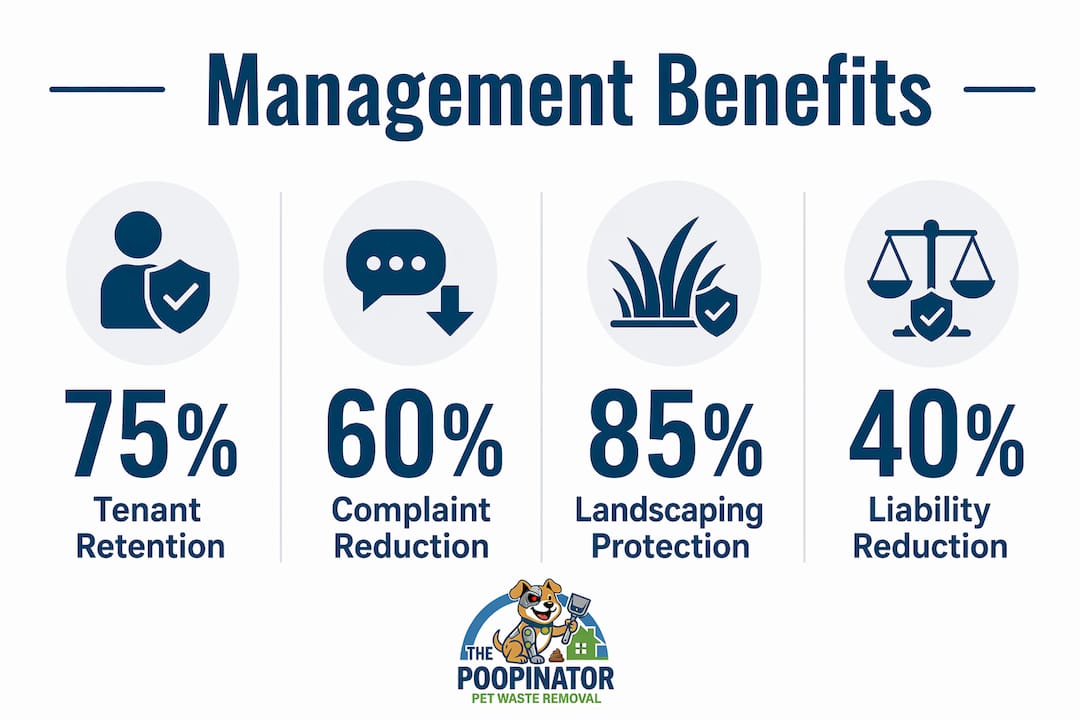
Effective pet waste management improves tenant retention and protects landscaping investments. These two outcomes alone justify the cost of waste stations and professional services. The benefits extend further when you look at the full picture.
Landlords who manage pet waste well attract and keep pet-owning tenants, who represent a large share of the rental market. A property known for clean grounds and fair pet policies commands stronger demand. Tenants who feel their concerns are taken seriously renew leases at higher rates.
The table below shows how active pet waste management affects key property outcomes.
| Outcome | Impact of active management |
|---|---|
| Tenant retention | Pet owners stay longer at properties with clean, pet-friendly grounds |
| Complaint volume | Fewer disputes between pet owners and non-pet tenants |
| Landscaping condition | Reduced nitrogen burn and soil damage from concentrated waste |
| Health liability | Lower risk of pathogen exposure claims from tenants or visitors |
| Property reputation | Cleaner grounds support positive reviews and referrals |
Reduced complaints matter more than landlords often realize. A single ongoing dispute between a pet owner and a neighbor can consume hours of management time, generate legal correspondence, and damage the community atmosphere that keeps good tenants in place. Preventing that dispute with a clean property costs far less than resolving it.
Key Takeaways
Landlords who manage pet waste removal actively protect their property, reduce liability, and retain tenants longer than those who rely on informal rules.
| Point | Details |
|---|---|
| Health risk is real | Pet waste carries Giardia, Salmonella, and E. coli that persist in soil and threaten tenant health. |
| Policy must be written | Signed lease addendums with clear fines and escalation steps are legally enforceable. |
| Tools drive compliance | Waste stations with bags and bins reduce violations more than rules alone. |
| Professional services help | Scheduled cleanup services maintain consistent standards on high-traffic properties. |
| Benefits are measurable | Active management improves tenant retention, reduces complaints, and protects landscaping. |
What I’ve learned after years of watching landlords get this wrong
Most landlords I’ve seen struggle with pet waste management make the same mistake: they treat it as a tenant problem rather than a property management system. They post a sign, add a vague clause to the lease, and then react with frustration when violations pile up. That approach does not work.
The landlords who get it right build a system before the first tenant moves in. They install waste stations before they are needed. They include the pet policy in the lease signing conversation, not buried in page 12 of the addendum. They schedule professional cleanups on a fixed cadence so the property never reaches the point where complaints start.
The uncomfortable truth is that tenants will not self-manage this consistently. Some will. Many will not. A landlord who designs for the majority, rather than hoping for the best, ends up with a cleaner property and fewer headaches. The common cleanup mistakes tenants make are predictable and preventable with the right setup.
Technology helps, but it is not the starting point. Resident portals, digital notices, and DNA tracking programs all have a role. None of them replace the basics: clear expectations, convenient tools, and consistent follow-through. Get those three right and the rest is maintenance, not crisis management.
— William
The Poopinator makes property cleanup simple for landlords
Managing pet waste across a rental property takes time, consistency, and the right resources. The Poopinator brings over 20 years of combined experience to professional pet waste removal, serving landlords and property managers who need reliable, scheduled cleanups without the hassle.
From bi-weekly visits to twice-weekly service plans, The Poopinator tailors its schedule to the size and activity level of your property. Eco-friendly disposal methods keep your grounds clean without environmental trade-offs. Hundreds of five-star reviews back up the results. If you manage a property where pet waste is a recurring issue, explore professional removal options and see what a scheduled service can do for your tenant satisfaction and property condition.
FAQ
Why do landlords manage pet waste removal?
Landlords manage pet waste removal to protect tenant health, prevent property damage, and reduce liability. Unmanaged waste carries pathogens like Giardia and E. coli that pose direct health risks to residents.
What should a landlord pet waste policy include?
A landlord pet waste policy should include a cleanup requirement, a fine structure, and a formal escalation process such as written warnings and “Cure or Quit” notices, all documented in a signed lease addendum.
How do landlords handle pet waste enforcement fairly?
Consistent enforcement applied equally to all pet-owning tenants protects landlords from discrimination claims. Every warning and fine must be documented in writing with dates.
What practical tools help with pet waste removal in rental properties?
Pet waste stations with bags and disposal bins placed at key locations increase tenant compliance. Partnering with a commercial pet waste service adds a scheduled, professional layer to property maintenance.
How long does pet waste take to decompose if left untreated?
Pet waste takes approximately nine weeks to decompose fully. During that time it emits odors and releases pathogens into the surrounding soil and water.