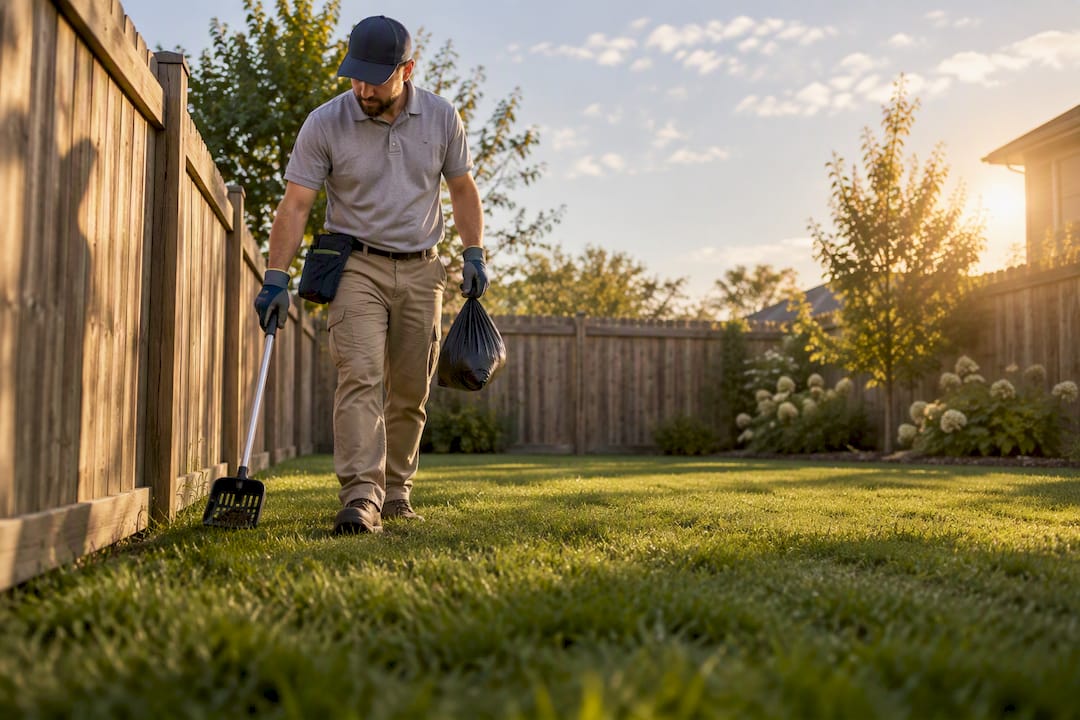
If you’re too busy for dog poop, your fastest fixes are a stocked bag dispenser, a scooper that matches your yard and mobility, a set cleanup routine backed by autoship and reminders, or handing the whole job to a professional pet-waste removal service. Whatever you pick, bag it and trash it for safe responsible dog poop cleanup, since loose waste carries bacteria that can reach local water.
TL;DR:
- A reusable scooper suited to your yard type and physical needs can significantly reduce bending and cleanup time.
- Hiring a professional service is often more cost-effective than DIY for busy households or larger dog groups, with plans starting from twice weekly.
- Bagging waste and disposing of it in household trash remains the safest and most environmentally responsible method, avoiding contamination risks.
- Building a routine with scheduled reminders and automatic supply shipments can eliminate the mental burden of yard cleanup decisions.
- Concentrating waste in one designated spot helps protect your lawn from damage and simplifies daily cleanup efforts.
Table of Contents
- Too Busy for Dog Poop Right Now? Quick Fixes for Today
- Which Tools Actually Save Time on Cleanup?
- What’s the Safest Way to Dispose of Dog Waste?
- How Do You Build a Routine So Cleanup Stops Being a Decision?
- When Does It Make Sense to Hire a Service Instead of DIY?
- How Does a Professional Cleanup Service Actually Work?
- What Poop-Scooping Services Actually Include
- DIY or Delegate? A Simple Way to Decide
- How Do You Train Your Dog to Use One Potty Spot?
- How Do You Control Odor Between Cleanups?
- A Quick Recommendation for Readers Stretched Thin
- Ready to Hand Off Dog Poop Cleanup for Good?
- Sources
- FAQ
Too Busy for Dog Poop Right Now? Quick Fixes for Today
You don’t need a system to survive today. You need three or four small habits that remove the excuse before it forms.
Keep a mini dispenser clipped to the leash and a backup roll somewhere you’ll actually see it, like the glove box or a coat pocket. Running out mid-walk is the single most common reason people leave a mess behind, and it’s the easiest problem to solve permanently.
- Carry a few bags per walk plus a backup, since most dogs typically go once or twice per outing.
- Stash a spare roll in the car, by the leash hook, or in a coat pocket so you’re never caught short.
- Switch to a hands-free or long-handled scooper if bending over is what’s slowing you down.
- Trade pickup duty with a dog walker, sitter, or neighbor for a week when your schedule is impossible.
- Keep a covered bin in the yard so bagged waste has a holding spot until trash day instead of piling up by the door.
None of this requires spending real money. It requires putting the right object within arm’s reach before you need it, which is the whole trick behind most dog poop bag and cleanup guidance aimed at people with more errands than hours.
Which Tools Actually Save Time on Cleanup?
The right gear depends less on brand and more on your yard, your dog’s size, and how often you’re willing to bend over. Standard plastic bags are cheapest and most reliable for trash disposal. Compostable and biodegradable bags sound better environmentally, but they generally need industrial composting conditions to break down. Tossed in a landfill bag, they behave like ordinary plastic, so buying them mainly for guilt relief is a wasted purchase.
Scooper styles split into three camps:
- Jaw-style scoopers grab waste off grass without you touching the ground, best for small to medium yards.
- Rake-and-pan sets work better on gravel, mulch, or uneven ground where a jaw scooper slips.
- Long-handled ergonomic scoopers cut down on bending entirely, which matters for anyone with back or knee issues.
A simple backyard waste station with a foot-pedal can keep bagged waste out of your hands until pickup day. If you’re short on time more than money, autoship subscriptions for bags remove one more decision from your week and end the mid-walk scramble.
Pro Tip: Buy bags in bulk rolls of 300 or more if you have a multi-dog household. The per-bag cost drops sharply, and you’ll stop noticing the expense as a recurring chore.
What’s the Safest Way to Dispose of Dog Waste?
Trash is the easiest and most defensible option for nearly every household. Bag it, tie it, and put it in your regular household trash. That single step keeps waste out of storm drains, since rain can wash unbagged mess into waterways and spread parasites and bacteria like Giardia and E. coli.
Beyond the trash can, here’s how the other common methods stack up:
- Flushing works only if your home is connected to a municipal sewer system, never a septic tank, since dog waste can disrupt septic bacteria balance.
- Composting requires dedicated equipment and correct temperatures to neutralize pathogens; home compost from dog waste should never touch edible gardens.
- Burying sounds natural but can take months to break down and risks contaminating soil and groundwater in the meantime.
- Public receptacles at parks are convenient, but check local rules first. Many municipalities and HOAs legally require pickup and specify how waste must be disposed of.
For hygiene, keep it simple: gloves or a bag as a barrier, wash your hands afterward, and disinfect any reusable scooper. Never let a tool that’s touched waste double as your vegetable garden trowel.
How Do You Build a Routine So Cleanup Stops Being a Decision?
A single dog in a small yard might only need pickup every two or three days. Two or more dogs, or a yard your kids and guests actually use, usually calls for something closer to daily attention before odor and mess build up.
The fix isn’t willpower. It’s removing the decision entirely:
- Set a recurring calendar reminder tied to trash day or a weekend chore block, not “whenever I remember.”
- Put bags and scoopers on autoship so the supply question never causes a delay.
- If a dog walker or sitter already visits, ask them to fold in a quick pickup and specify which bag type to use and where to leave the bagged waste.
- Treat sudden odor, visible buildup, or an upcoming gathering as your signal to bump up frequency temporarily.
Once the schedule runs itself, you stop spending mental energy deciding whether today’s the day.
When Does It Make Sense to Hire a Service Instead of DIY?
Outsourcing earns its cost the moment DIY starts costing you more than money. Mobility limits, a multi-dog household, a demanding work schedule, or simply hating the chore are all valid reasons to hand it off.
Most pet-waste removal services offer a menu built around how often waste actually accumulates: twice-weekly for busy multi-dog yards, weekly for the average single-dog household, and bi-weekly for lighter use or smaller dogs. One-time cleanups exist for the “guests arrive Saturday” emergency.
Before booking anyone, ask a few pointed questions:
- How is the waste disposed of, and is the method eco-conscious?
- Is the provider insured, and what happens if a visit gets missed?
- What are the scheduling windows, and how do cancellations work?
- Can they show real reviews or a track record, not just a promise?
Skip any provider that’s vague about sanitation, dodges scheduling specifics, or has zero verifiable reviews. That’s a red flag, not a bargain.
How Does a Professional Cleanup Service Actually Work?
The Poopinator has more than 20 years of combined experience and hundreds of five-star Google reviews behind it, built around plans designed for exactly this problem: twice-weekly, weekly, and bi-weekly service, plus one-time cleanups for single events.
The process is straightforward:
- Book online and pick a plan that matches your dog count and yard traffic.
- Get a recurring visit schedule so pickup happens without you thinking about it.
- The crew handles waste with eco-friendly disposal methods and local expertise.
- You get a follow-up ready yard: no bending, no last-minute scramble before guests show up.
For higher-risk situations, specialized parvo yard cleanup is available separately, since infected waste needs handling beyond a normal scoop-and-bag routine.
What Poop-Scooping Services Actually Include
A pet-waste removal service isn’t a one-size-fits-all sweep through your yard. Most reputable operators walk the entire property, check under decks and along fence lines where dogs tend to hide deposits, and bag everything for proper trash disposal rather than leaving it in a pile.

Recurring plans are the core offering, but nearly every provider also handles one-time visits for situations like moving into a neglected yard, prepping for a home sale, or getting ready for a backyard party. Pricing typically scales with visit frequency: more frequent visits cost less per stop because the yard never gets a chance to accumulate a backlog.
What separates a decent service from a mediocre one usually comes down to consistency and communication. Does the crew show up on the day promised? Do they leave a note or send confirmation after each visit? Is there a real person to call if something gets missed? These operational details matter more than marketing copy, and they’re worth asking about directly before signing up for a recurring plan.
DIY or Delegate? A Simple Way to Decide
Run the numbers honestly before deciding. If cleanup takes you fifteen minutes twice a week, that’s roughly two hours a month, plus the mental tax of remembering to do it. Compare that against what a weekly service visit actually costs, and the math often favors delegating, especially for anyone working long hours or managing more than one dog.
DIY still makes sense for small yards, single dogs, and owners who genuinely don’t mind the task. It also wins on flexibility. You can scoop whenever you want without waiting on a scheduled visit.
The tipping point usually shows up in a specific moment: a missed cleanup before a barbecue, a sore back that makes bending painful, or a second dog that doubles the workload overnight. That’s the signal to at least test a service rather than keep grinding through a chore that’s stopped making sense for your life.
How Do You Train Your Dog to Use One Potty Spot?
Concentrating waste in one corner of the yard turns a scattered scavenger hunt into a single five-minute stop. Dogs are creatures of habit, and most will return to a spot that already smells familiar if you guide them there consistently.
Pick a corner away from patios, gardens, and high-traffic paths. Walk your dog to that exact spot on a leash for the first few weeks, even in your own yard, and reward them the moment they go. Leaving a small, clean sample of their own waste there initially can reinforce the scent cue. Consistency matters more than the specific spot. Once the habit sticks, most dogs will gravitate there on their own, and your cleanup shrinks from a full property sweep to one small zone.

This also protects your lawn. Concentrated waste in one corner means the rest of your yard avoids the brown patches and grass damage that come from waste sitting scattered across the whole space.
How Do You Control Odor Between Cleanups?
Odor control comes down to breaking the cycle between deposit and decomposition. The longer waste sits, the more it feeds smell and attracts flies, so shortening that window matters more than any spray or powder.
For messy or soft stool, a blast of compressed air can freeze it briefly for easier pickup, and some owners use clumping cat litter to absorb it before scooping. After picking up, a quick spray of pet-safe enzymatic cleaner on the spot breaks down residual odor compounds that plain water won’t touch.
Indoors, accidents on carpet need faster attention than outdoor waste, since urine and residue can soak into fibers and pads and worsen over time if untreated. If that’s become a recurring issue in your home, a floor-care specialist can address staining and odor that basic cleaning products won’t fully remove.
Between full cleanups, a light baking soda dusting on high-traffic yard zones and regular hosing of hard surfaces keep smell from building into something guests notice.
A Quick Recommendation for Readers Stretched Thin
Most people overthink this decision. You don’t need to pick the perfect system on day one. Run a low-friction test: put bags on autoship, then book either a two-week service trial or a single one-time cleanup and see how your week actually feels afterward.
Measure it honestly. Track the minutes you get back, whether your yard stays usable for guests, and whether the cost feels fair for the time saved. If a one-time cleanup clears the backlog and the relief is obvious, that’s your answer.
Pro Tip: Time yourself doing one full cleanup before you decide anything. Most people underestimate how much of their week this chore actually eats.
— William
Ready to Hand Off Dog Poop Cleanup for Good?
The Poopinator turns yard cleanup from a recurring chore into a scheduled visit you never have to think about, with plans built for exactly how busy your household is. Twice-weekly and weekly plans suit multi-dog homes or heavy yard traffic, bi-weekly fits lighter use, and a one-time cleanup clears a backlog fast when you need the yard ready on short notice.
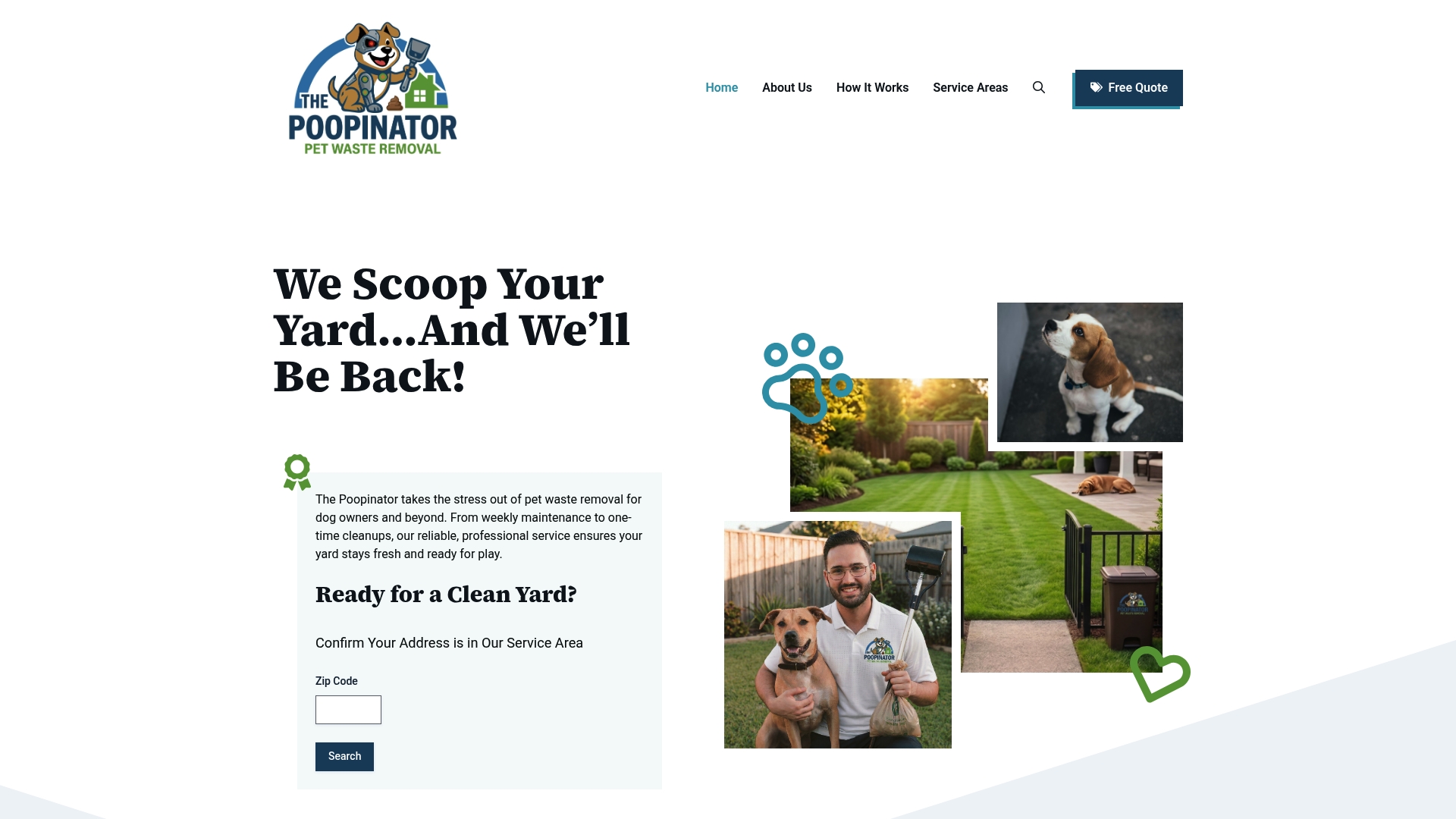
Professional visits often use eco-friendly disposal methods and local expertise, backed by extensive experience and positive customer reviews. If you’re weighing DIY tools against outsourcing, the simplest next step is visiting the how-it-works page to see exact plan details and book a visit that matches your schedule, whether that’s a recurring plan or a single one-time pet waste removal to reset your yard before your next weekend.
Sources
- The importance and safety of proper dog poop cleanup (AKC)
- Picking up after your dog: why it’s important (Hill’s Pet)
- Dog poop bags, scoopers & waste clean-up tips (PetSmart Learning Center)
FAQ
What Is the 7-7-7 Rule for Dogs?
Some trainers use gradual introduction guidelines for puppies to new environments, people, and sounds to avoid overwhelming them all at once. It’s not directly tied to potty training or waste cleanup, though a calmer, well-socialized dog often settles into a consistent potty spot faster.
My Dog Gets Distracted and Won’t Poop on Walks. What Can I Do?
Try walking a consistent route so your dog associates a specific area with going, and avoid rushing them the moment you step outside. If distraction is a persistent issue, a short leash and a low-traffic time of day (early morning, late evening) usually helps more than a new route.
How Long Should You Wait for a Dog to Poop?
Most dogs need five to fifteen minutes of sniffing and walking before they settle into a spot. If nothing happens after fifteen minutes, head home and try again in an hour rather than standing around indefinitely.
Do Dogs Get Upset When They Don’t Get Walked?
Yes, skipped walks can lead to restlessness, excess energy, and even accidents indoors, since walks serve both bathroom needs and mental stimulation. If your schedule makes daily walks unreliable, pairing a dog walker with a scheduled waste removal plan covers both the exercise gap and the yard cleanup gap at once.