
TL;DR:
- Poop scooper plans include professional scheduled waste removal or DIY tools for yard cleaning.
- Choosing the right plan depends on the number of dogs, yard size, budget, and effort willingness, with weekly professional services being most reliable for multi-dog households.
Poop scooper plans are defined as either recurring professional pet waste removal schedules or structured DIY designs for building and using waste collection tools at home. Whether you hire a service like The Poopinator or build your own scooper from a dustpan and a wooden dowel, the goal is the same: a clean, odor-free yard without the daily hassle. Most professional plans offer weekly, biweekly, or twice-weekly pickups, with pricing that scales by dog count and yard size. DIY approaches use materials like 5-gallon buckets, plastic liners, and bent dustpans to create low-cost tools you can build in an afternoon.
What are poop scooper plans and how do professional services work?
Professional poop scooper plans are scheduled yard visits where a trained technician collects dog waste, bags it in sealed containers, and disposes of it properly. Many providers also offer optional deodorizing treatments to keep your yard smelling fresh between visits. The service removes the need for you to track waste buildup or spend your weekends doing cleanup.
The most common scheduling structures are:
- Weekly service: Best for one or two dogs in a standard-sized yard. Keeps waste from accumulating between visits.
- Twice-weekly service: Recommended for three or more dogs, warm climates, or high-traffic yards where odor builds quickly.
- Biweekly service: A lighter option for single-dog households with smaller yards or lower activity levels.
- One-time cleanup: Ideal for seasonal deep cleans or moving situations.
The route model is what makes professional plans work efficiently. Providers group customers by neighborhood, so technicians can complete multiple stops in a single trip. This keeps costs predictable and scheduling consistent. Recurring weekly or twice-weekly plans create stable routes that benefit both the provider and the customer through reliable timing and lower per-visit costs over time.
Pro Tip: Ask your service provider whether they sanitize their tools between yards. Cross-contamination of bacteria between properties is a real concern, and reputable companies like The Poopinator treat it as a standard protocol.
How much do poop scooper plans cost?
Pricing for poop scooper plans follows a straightforward structure based on visit frequency and the number of dogs in your household. Per-visit rates range from $12 to $20 for one dog on a weekly plan, which translates to roughly $48 to $80 per month. That monthly figure is what most dog owners use to evaluate whether a service fits their budget.
Here is a breakdown of typical pricing by plan type:
| Plan type | 1 dog | 2 dogs | Notes |
|---|---|---|---|
| Weekly | $12–$20/visit | $15–$25/visit | Most popular option |
| Twice-weekly | Higher monthly total | Scales with dog count | Best for warm climates or 3+ dogs |
| Biweekly | $25–$45/visit | Add $3–$5 per extra dog | Lower frequency, lower monthly cost |
| One-time cleanup | $25–$45 flat | Varies by yard size | Seasonal or move-out use |
Several factors push pricing higher:
- Additional dogs: Each extra dog adds $3 to $5 per visit on top of the base rate.
- Yard size: Larger properties take more time and may carry a surcharge.
- Climate and season: Warmer regions generate more odor and faster waste buildup, which often leads owners to upgrade from biweekly to weekly or twice-weekly plans.
- Add-on services: Deodorizing sprays, gate latch checks, and sanitizing treatments are common upsells.
Weekly plans at $48 to $80 per month are the most cost-effective for single-dog households. Many providers offer autopay discounts that reduce the monthly total by a few dollars, which adds up over a full year of service.
How to make your own DIY poop scooper
DIY poop scooper plans are a practical option for budget-conscious owners who want a functional tool without paying for a recurring service. The most common design uses a bent dustpan, wooden dowels, and a lidded 5-gallon bucket lined with a plastic bag. This setup handles both the scooping and the containment in one portable kit.
Here is a step-by-step overview of the standard build:
- Cut your dowels to length. Two wooden dowels at roughly 36 inches each give you enough reach to scoop without bending over.
- Bend the dustpan handle. Bend a standard metal dustpan handle to a 90-degree angle so the pan sits flat on the ground when you hold the dowels upright.
- Fasten the dowels to the dustpan. Use zip ties, screws, or metal brackets to attach the dowels securely to each side of the dustpan.
- Cut small metal guide pieces. Small L-brackets or bent metal strips along the sides of the dustpan help funnel waste cleanly into the pan without spillage.
- Test the tool on flat ground. Walk through a dry run before using it on actual waste to check for wobble or misalignment.
- Prepare your bucket. Line a lidded 5-gallon bucket with a plastic bag, scoop waste directly into it, and seal the lid after each use to control odor.
The total material cost for this build runs under $20 at most hardware stores. The tradeoff is time. Building and maintaining a DIY tool takes effort, and it does not replace the consistency of a scheduled professional service. For owners with one dog and a small yard, though, a well-built homemade scooper handles the job reliably.
Pro Tip: Double-bag your bucket liner and keep a box of baking soda inside the lid. Sprinkling a small amount over each deposit before sealing cuts odor significantly, especially in summer heat.
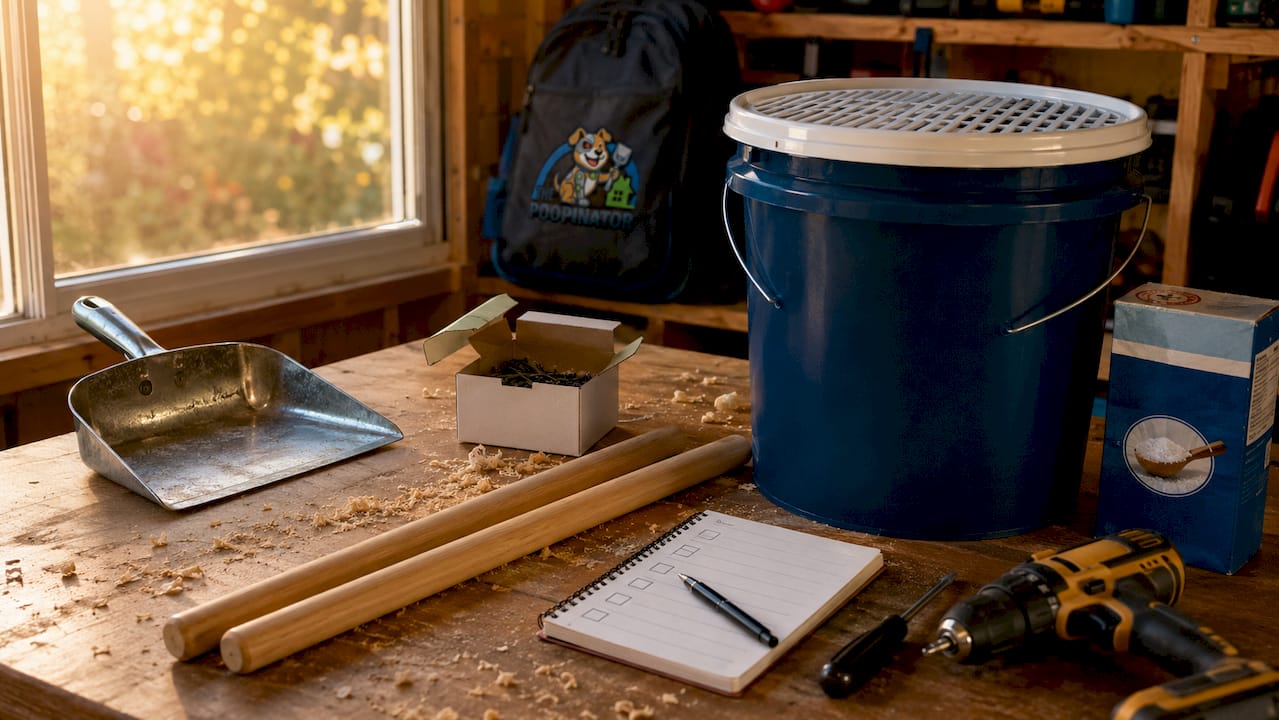
DIY designs must prioritize containment just as much as scooping efficiency. A tool that picks up waste cleanly but leaves you with no good way to transport or dispose of it creates a different problem. The lidded bucket solves that.
How to choose the best poop scooper plan for your situation
The right plan depends on four variables: the number of dogs you have, your yard size, your budget, and how much physical effort you want to put in yourself. Matching those factors to the right option saves money and keeps your yard consistently clean.
| Factor | Professional service | DIY scooper |
|---|---|---|
| Number of dogs | Scales easily with add-on pricing | Works best for 1 dog |
| Yard size | Handles large yards efficiently | Time-consuming for large areas |
| Budget | $48–$80/month for weekly service | Under $20 one-time build cost |
| Effort required | Zero effort after signup | Regular hands-on work |
| Consistency | Scheduled and reliable | Depends on your discipline |
Proper scheduling and frequency are the most overlooked factors in maintaining a clean yard. Owners who choose biweekly service for a two-dog household often find waste accumulates faster than expected, especially in summer. Upgrading to weekly service costs roughly $20 to $30 more per month but eliminates the odor and sanitation issues that come with longer gaps between pickups.
A few practical guidelines help narrow the decision:
- Choose weekly professional service if you have two or more dogs or a yard your family uses regularly.
- Choose twice-weekly service if you have three or more dogs, live in a warm climate, or have noticed odor problems between visits.
- Choose DIY if you have one dog, a small yard, and the time and willingness to clean up two to three times per week.
- Choose biweekly professional service if you have one small dog and a low-traffic yard.
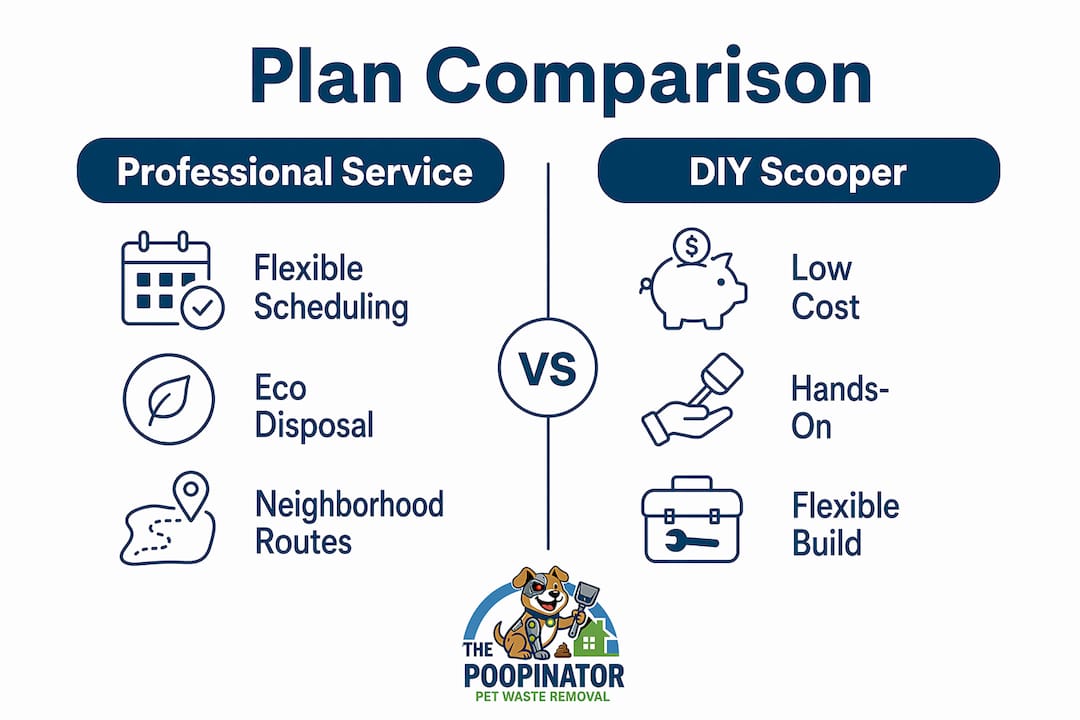
Scheduled pickups prevent waste accumulation and protect your yard from the contamination and odor buildup that makes outdoor spaces unpleasant. That benefit applies whether you use a professional service or stay disciplined with a DIY routine. You can also review a service plan comparison to weigh your options side by side before committing.
Key takeaways
Poop scooper plans work best when the service frequency matches the number of dogs, yard size, and climate rather than defaulting to the cheapest available option.
| Point | Details |
|---|---|
| Professional plans offer real scheduling structure | Weekly, biweekly, and twice-weekly options cover most household needs with predictable pricing. |
| Pricing scales by dog count and frequency | One dog on a weekly plan runs $48 to $80 per month, with $3 to $5 added per extra dog per visit. |
| DIY scoopers cost under $20 to build | A dustpan, wooden dowels, and a lidded bucket create a functional tool for small, single-dog yards. |
| Frequency choice drives yard cleanliness | Twice-weekly service suits warm climates and multi-dog households better than biweekly plans. |
| Containment matters as much as scooping | Lidded buckets with plastic liners control odor and make waste transport manageable for DIY users. |
Why I think most dog owners pick the wrong plan frequency
After years of working in and around pet waste removal, the single most common mistake I see is owners choosing biweekly service for a two-dog household to save a few dollars a month. The math feels right on paper. In practice, two dogs produce enough waste in two weeks to make a yard genuinely unpleasant, especially from June through September.
The other mistake I see with DIY approaches is underestimating the containment problem. People build a decent scooper, then realize they have nowhere clean to put the waste. The tool works. The logistics do not. That is why the lidded bucket step in any DIY build is not optional. It is the part that makes the whole system functional.
My honest recommendation: if you have more than one dog, skip the DIY route entirely and invest in a weekly professional plan. The time you save and the yard you get back are worth more than the $50 a month difference. If you have one small dog and a tight budget, a well-built DIY scooper with a proper containment bucket handles the job fine. Just be honest with yourself about whether you will actually use it three times a week.
The right cleanup frequency is the one you will actually stick to. A twice-weekly professional plan you never have to think about beats a DIY tool that sits in the garage.
— William
Let The Poopinator handle it for you
If the DIY route sounds like more work than you want, The Poopinator offers flexible professional plans built around your yard and your dogs.
The Poopinator provides weekly, biweekly, and twice-weekly yard cleanup plans with eco-friendly disposal and consistent scheduling you can count on. With over 20 years of combined experience and hundreds of five-star reviews, the team handles everything from waste collection to optional deodorizing treatments. You get a clean yard without lifting a finger. Contact The Poopinator today to find the plan that fits your household.
FAQ
What are poop scooper plans exactly?
Poop scooper plans are either recurring professional pet waste removal schedules or structured DIY designs for building and using waste collection tools. Professional plans typically offer weekly, biweekly, or twice-weekly yard visits with waste disposal included.
How often should I schedule poop scooper service?
Weekly service covers most one to two dog households, while twice-weekly plans suit three or more dogs or warm climates where odor builds faster. Biweekly works for single-dog households with low yard activity.
What materials do I need to build a DIY poop scooper?
A basic DIY scooper requires two wooden dowels, a metal dustpan, zip ties or screws, and a lidded 5-gallon bucket with plastic bag liners. Total material cost is typically under $20 at a hardware store.
How much does a professional poop scooper plan cost per month?
Weekly service for one dog runs roughly $48 to $80 per month, with each additional dog adding $3 to $5 per visit. One-time cleanups typically cost $25 to $45 depending on yard size.
Is a professional plan worth it compared to doing it yourself?
For households with two or more dogs, professional plans deliver consistent results without the time investment that a DIY routine requires. DIY works well for single-dog households where the owner commits to cleaning two to three times per week.