TL;DR:
- Pet waste contains bacteria, parasites, and pathogens that pose serious health risks to humans and animals through various exposure routes.
- Regular and prompt waste removal, combined with proper hygiene practices, is essential to prevent infections and environmental contamination.
Pet waste is a direct source of zoonotic disease, carrying bacteria, parasites, and pathogens that threaten both human and animal health through multiple exposure routes. The CDC confirms that dog feces carries germs capable of making people and other animals seriously ill. For families with children, pregnant women, or anyone with a compromised immune system, the risks are not theoretical. This pet waste health risks list breaks down every major threat by pathogen type and exposure route so you can protect your household with real, specific knowledge.
1. The pet waste health risks list: bacteria you need to know
Pet feces routinely contains E. coli, Salmonella, and Campylobacter, three bacterial species that cause gastrointestinal illness ranging from stomach cramps to severe systemic infection. These are not rare contaminants. They are present in the waste of healthy-looking dogs and cats that show no symptoms at all.
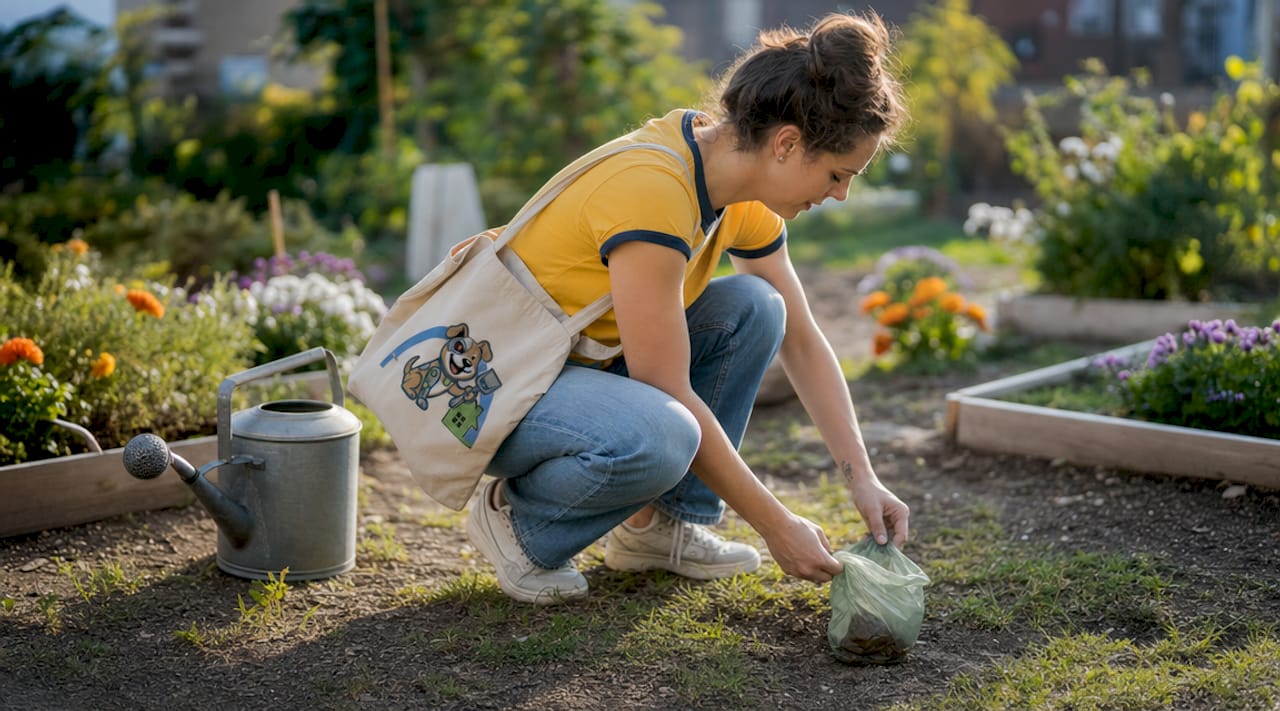
What makes bacterial exposure especially tricky is that Salmonella and Campylobacter spread without any direct contact with feces. Walking through a contaminated yard and then touching your face is enough. Children who play on grass where a dog has relieved itself are at constant low-level exposure.
Symptoms of bacterial infection from pet waste include:
- Nausea and vomiting within 6 to 48 hours of exposure
- Diarrhea, sometimes bloody, lasting several days
- Fever and abdominal cramps that mimic food poisoning
- Systemic infection in immunocompromised individuals, which can require hospitalization
The CDC recommends cleaning up promptly and handwashing after any contact with pets, their food, or their waste. That guidance exists because the bacteria survive on surfaces, in soil, and in water long after the visible waste is gone.
Pro Tip: Wash hands with soap and water for at least 20 seconds after yard work, even if you never touched waste directly. Soil near a dog’s regular bathroom spot carries the same bacterial load as the feces itself.
2. Parasites in pet waste and how they reach you
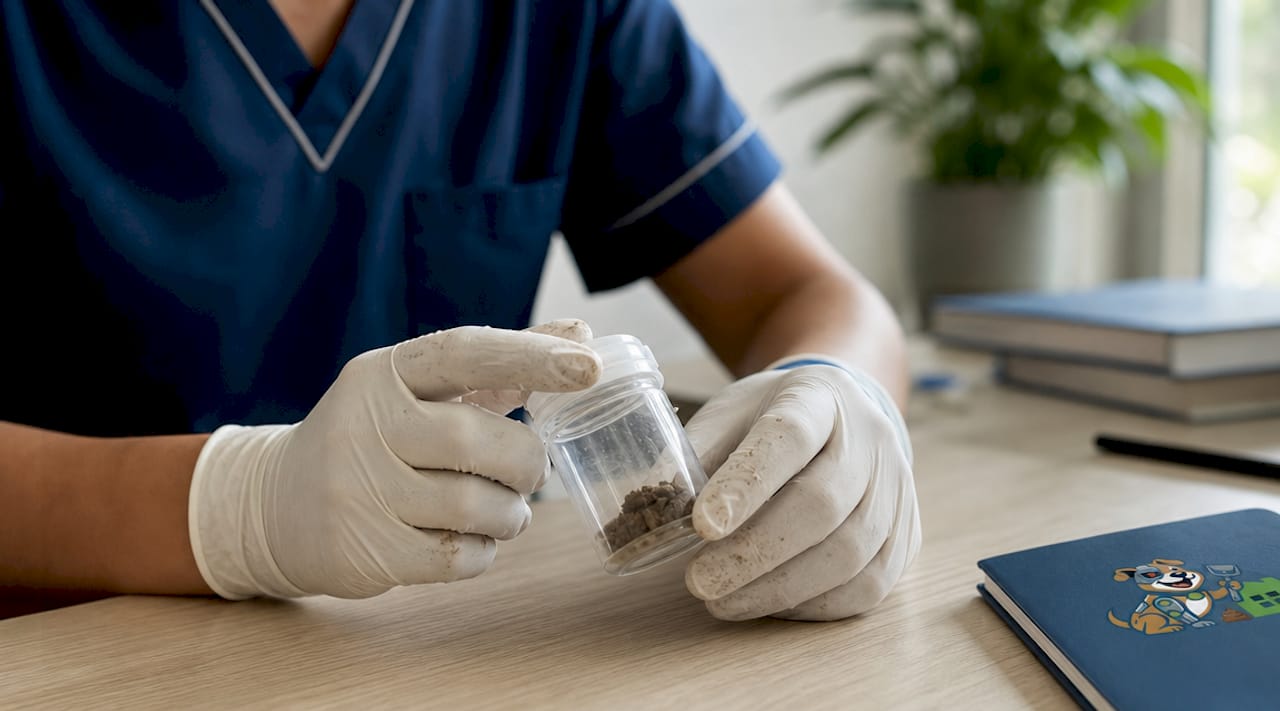
Parasites represent the most persistent category on any pet waste diseases list. Unlike bacteria, parasite eggs can survive in soil for extended periods, creating a long-term contamination risk even in yards that look clean.
The key zoonotic parasites shed in pet feces include:
- Toxocara canis and Toxocara cati (roundworms): Eggs shed by dogs and cats can remain infectious in yard soil for up to two years. Human infection, called toxocariasis, causes fever, coughing, and in severe cases, vision loss or neurological damage.
- Ancylostoma spp. (hookworms): Larvae penetrate skin on contact, causing cutaneous larva migrans, a painful, itching rash that tracks under the skin. Walking barefoot in contaminated soil is the primary exposure route.
- Giardia spp.: A protozoan parasite shed in both dog and cat feces. It contaminates water sources and causes prolonged diarrhea, bloating, and fatigue in humans.
- Cryptosporidium: Highly resistant to standard water treatment, this parasite causes cryptosporidiosis, a diarrheal illness that can be life-threatening for immunocompromised individuals.
The global picture on Toxocara alone is sobering. Toxocara infection in children carries a pooled global seroprevalence of approximately 20.3%, meaning roughly one in five children worldwide shows evidence of past or current infection. Contact with dogs and exposure to contaminated soil are the primary risk factors identified in that research.
Pro Tip: If your dog uses a specific corner of the yard consistently, treat that area as a contamination zone. Keep children and bare feet away from it, and consider professional removal on a scheduled basis rather than waiting for visible accumulation.
3. Environmental contamination and public health impact
The health risks of pet waste extend well beyond your property line. Dog waste contributes harmful bacteria including E. coli and fecal coliform to stormwater runoff, which flows directly into streams, rivers, and coastal waters. The EPA estimates that waste from 100 dogs over just two to three days can generate enough bacterial contamination to close an entire bay to swimming and shellfishing. That is not a fringe scenario in communities with high dog ownership.
The ecological damage compounds the public health problem. Excess nutrients from decomposing waste reduce oxygen levels in water bodies, harming fish and aquatic life. Parks and playgrounds become zoonotic transmission hotspots when infected feces and contaminated soil coexist in the same space where children play.
| Contamination type | Primary source | Public health consequence |
|---|---|---|
| Bacterial water pollution | Stormwater runoff from yards and parks | Beach and shellfish bed closures |
| Parasite soil contamination | Unremoved feces in public spaces | Increased Toxocara and hookworm infection rates |
| Nutrient overload in waterways | Decomposing feces entering drainage systems | Algae blooms, reduced aquatic oxygen, fish die-offs |
| Airborne allergens | Dried feces particles in wind | Respiratory irritation and allergy flare-ups |
Understanding the impact of pet waste on health at the community level changes how you think about your own yard. Every pile left behind is a potential contribution to a larger contamination cycle.
4. Indirect exposure routes inside your home and yard
Most pet owners think about direct contact with feces as the main risk. The actual hidden threat is fomites, which are contaminated objects and surfaces that transfer pathogens without any obvious sign of waste. Shoes, pet paws, children’s toys, and garden tools all act as carriers.
The CDC identifies contaminated fomites like shoes and toys as a primary indoor transmission pathway. Your dog walks through its own waste, then walks across your kitchen floor. Your child’s ball rolls through a contaminated patch of grass, then gets picked up and chewed. These are not hypothetical scenarios. They are everyday occurrences in households with pets.
Indirect exposure routes to monitor and address:
- Pet paws: Wipe paws with a damp cloth or pet-safe wipe before your dog re-enters the house after outdoor time.
- Shoes: Remove shoes at the door, especially if you have walked through areas where dogs are walked or have relieved themselves.
- Children’s outdoor toys: Disinfect regularly with a pet-safe cleaner, particularly items left on grass.
- Rainwater runoff: Heavy rain spreads contaminated soil across a wider area of your yard, increasing the surface area of indirect exposure.
- Dried feces particles: As feces dries and breaks down, it releases airborne particles that can trigger respiratory irritation and carry pathogens.
Pro Tip: For indoor accidents, the CDC recommends immediate cleanup and disinfection using gloves, followed by thorough handwashing. A deep cleaning routine that targets floors and surfaces near entry points reduces the pathogen load your family encounters daily. Resources like home deep cleaning guides outline exactly which surfaces to prioritize.
5. Populations most vulnerable to pet waste diseases
Not everyone faces the same level of risk from pet waste exposure. Four groups face significantly higher likelihood of serious illness, and understanding why helps you take targeted protective steps.
Children under 10 are the highest-risk group. Their hand-to-mouth behavior during play in contaminated soil is the primary driver of Toxocara infection globally. Children’s hand-to-mouth behaviors combined with soil play create a near-constant exposure window that adults simply do not experience in the same way.
Pregnant women face specific risks from Toxoplasma gondii, a parasite shed primarily in cat feces. Toxoplasmosis during pregnancy can cause miscarriage, stillbirth, or severe neurological damage to the fetus. Cat litter health concerns for pregnant women are well-documented, and the standard recommendation is to have another household member handle litter box duties entirely during pregnancy.
Immunocompromised individuals, including those undergoing chemotherapy, living with HIV/AIDS, or taking immunosuppressive medications, face elevated risk from both bacterial and parasitic infections. Cryptosporidium, which a healthy immune system typically clears, can cause prolonged and life-threatening illness in this group.
Elderly adults with age-related immune decline face similar vulnerability to immunocompromised individuals, particularly for bacterial infections like Salmonella and Campylobacter that can progress to systemic illness.
The protective measures for all four groups center on the same principle: reduce exposure frequency and interrupt transmission routes through consistent hygiene and timely waste removal.
6. How pets reinfect themselves and why that matters for your family
Pet waste management is not only about protecting people. Pets reinfect themselves from soil contaminated by their own waste, creating a continuous cycle of parasite and bacterial load in your yard. A dog that sniffs, rolls in, or walks through its own old feces reintroduces parasites into its system, which then get shed again in fresh feces.
This cycle means that even a dog on a regular deworming schedule can carry a significant parasite burden if the yard is not cleaned consistently. The deworming medication clears the current infection. The contaminated soil reintroduces it within weeks. Timely pet waste removal from your yard breaks this cycle at the source rather than just managing symptoms.
The practical implication for families is straightforward. A clean yard is not just aesthetically better. It is a direct intervention in the transmission cycle that keeps both your pets and your children safer over time.
Key takeaways
Consistent, timely pet waste removal is the single most effective action pet owners can take to reduce bacterial, parasitic, and environmental health risks for their families and communities.
| Point | Details |
|---|---|
| Bacteria spread without direct contact | Salmonella and E. coli transfer via soil, surfaces, and shoes into your home. |
| Parasite eggs persist for years | Toxocara eggs remain infectious in yard soil for up to two years after deposit. |
| Children face the highest risk | Hand-to-mouth play behavior makes children the most exposed group globally. |
| Indirect routes are the hidden threat | Pet paws, shoes, and toys carry pathogens indoors without visible waste present. |
| Removal breaks the reinfection cycle | Regular cleanup prevents pets from reinfecting themselves and shedding more pathogens. |
What 20 years of watching yards taught me about pet waste risk
Most pet owners I talk to think the risk from dog waste is about smell and aesthetics. They clean up when it bothers them visually. That mindset is the actual problem.
The pathogens in pet waste do not announce themselves. A yard that looks fine after a week of rain is often more contaminated than one with visible piles, because runoff has spread bacteria and parasite eggs across a wider surface area. The invisible contamination is what gets kids sick.
What I have seen consistently is that families who treat waste removal as a scheduled, non-negotiable task, rather than a reactive chore, have fundamentally different outcomes. They are not constantly managing ringworm, mysterious stomach bugs, or vet bills for reinfected dogs. The connection is direct, even if it is rarely made explicit.
The other thing most guides miss is the reinfection loop. You can deworm your dog every three months and still have a heavily parasitized animal if the yard is not cleared regularly. The soil is the reservoir. The dog is just the vector. Clean the reservoir.
Community-level habits matter too. One neighbor who never picks up after their dog in a shared green space undermines the hygiene of every family who uses it. Advocating for better neighborhood waste management is not being difficult. It is protecting public health.
— William
How The Poopinator keeps your yard safe year-round
The Poopinator offers scheduled pet waste removal designed specifically to interrupt the contamination cycles described in this article. With bi-weekly and twice-weekly plans available, The Poopinator removes waste before parasite eggs have time to establish in your soil and before bacteria spread through runoff. The service uses eco-friendly disposal methods that minimize environmental impact, which matters for families concerned about both health and their yard’s ecosystem. With over 20 years of combined experience and hundreds of five-star reviews, The Poopinator brings local expertise and a personal touch to every cleanup. If you are in the Westfield, IN area, find out how professional waste removal can give your family a genuinely clean outdoor space.
FAQ
Can pet waste make you sick without touching it directly?
Yes. Bacteria like Salmonella and Campylobacter transfer through contaminated soil, surfaces, and objects like shoes and pet paws, so direct contact with feces is not required for infection.
How long do parasite eggs survive in yard soil?
Toxocara eggs remain infectious in soil for up to two years, which is why regular yard cleanup matters even when no fresh waste is visible.
Are children more at risk from pet waste than adults?
Children face higher risk because hand-to-mouth behavior during outdoor play creates frequent exposure to contaminated soil. Global data shows approximately 20.3% of children worldwide have evidence of Toxocara infection.
Is cat litter a health risk for pregnant women?
Cat feces can contain Toxoplasma gondii, which causes toxoplasmosis. During pregnancy, this infection can lead to miscarriage or fetal neurological damage, so pregnant women should avoid handling cat litter entirely.
How often should I remove pet waste to reduce health risks?
The CDC recommends prompt cleanup after each incident. For yard management, twice-weekly removal prevents parasite eggs from establishing in soil and stops bacterial accumulation before rain spreads contamination.