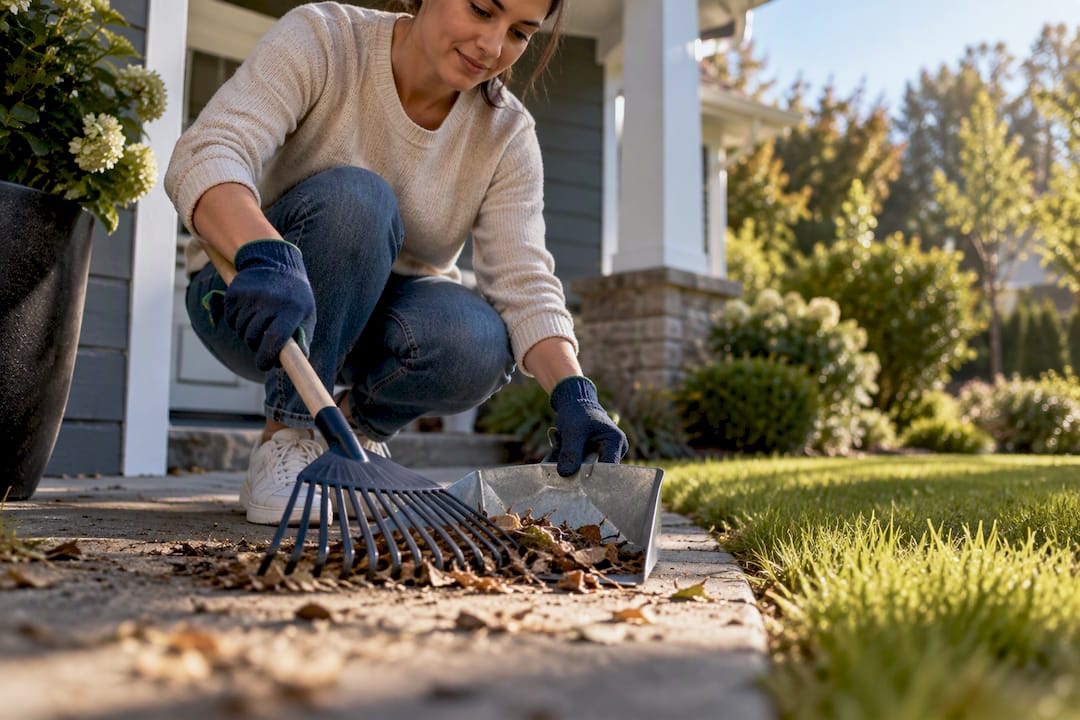
The fastest way to make a new house yard safe and usable is a one-time deep cleanup, done by a professional crew, followed by a recurring schedule matched to your dogs and how hard the yard gets used. Skip the deep clean and start with a light recurring visit, and you’re just maintaining a mess instead of fixing it. Get the reset right first, then let a weekly, twice-weekly, or biweekly plan keep it that way.
TL;DR:
- A deep cleanup typically costs between $75 and $250 depending on yard size and waste buildup, with initial comprehensive services billed separately from ongoing plans.
- Weekly service is best for households with multiple dogs, small yards, or high yard use, especially in hot or rainy seasons, while biweekly suits larger or less-used yards.
- Prompt waste removal helps prevent disease transmission and nutrient pollution, making regular disposal through trash hauling or in-ground digesters safer than composting.
- Proper preparation involves securing pets, providing clear access, pointing out problem zones, and confirming scope and results in writing before the first visit.
- Dependable providers should show proof of insurance, background checks, and offer itemized, transparent pricing and a satisfaction guarantee.
Table of Contents
- What Happens During a New House Dog Poop Yard Cleanup?
- How Do You Choose the Right Cleanup Frequency?
- What Does Professional Pet Waste Removal Cost?
- Preparing for Your First Deep-Clean Visit
- What Should You Ask Before Hiring a Yard Waste Service?
- How Should Yard Waste Be Disposed Of Safely?
- Why Recurring Yard Cleanup Is Just Smart Home Maintenance
- Get Your Yard Reset and On a Schedule
- Sources
- FAQ
What Happens During a New House Dog Poop Yard Cleanup?
A first visit to a yard that hasn’t been touched in weeks or months isn’t the same job as a routine cleanup. Crews treat it as a separate, higher-volume task, and most providers bill it as its own line item rather than folding it into a recurring rate, according to HomeAdvisor’s cost guidance. That’s the most common source of first-month sticker shock for new customers, so ask upfront what the deep-clean fee covers.
A properly run first visit generally includes:
- A full grid sweep of the yard, corner to corner, not just the obvious high-traffic paths
- Bagging and hauling waste off-site, or bagging into your own trash bin if you prefer
- Spot deodorizing for areas with heavy buildup or lingering odor
- A completion notice or photo confirming the job is done
Before the crew arrives, you’ll typically need to provide gate access, a code, or a key, and flag any problem zones you’ve noticed. Reputable companies also sanitize their tools and boots between properties to avoid tracking pathogens from one yard to the next. Ask about that protocol directly; a vague answer is a warning sign.
How Do You Choose the Right Cleanup Frequency?
Matching visit frequency to your household avoids both overpaying and letting waste pile back up. Use these as starting benchmarks, then adjust:
- Weekly service fits multi-dog households, small yards, and homes with kids or frequent guests. Two or more dogs on a quarter-acre lot generate enough waste that a week’s buildup becomes a real hazard and an eyesore.
- Twice-weekly service suits high-activity yards, hot climates, or households that use the yard daily for play or entertaining. Heat accelerates odor and bacterial growth, so summer months in warm regions often justify the tighter schedule.
- Biweekly service works for single-dog homes, larger properties, or yards with limited foot traffic. If the dog has a big area to roam and the family doesn’t use the whole yard, waste is less concentrated and less urgent to clear.
Seasonal shifts matter too. Rainy stretches wash waste into lower-lying areas and speed up runoff into storm drains, so many owners bump up frequency in spring. Winter slows decomposition, which can mean waste lingers under snow and reappears in bulk during a spring thaw, catching homeowners off guard.
What Does Professional Pet Waste Removal Cost?
Expect two distinct price tiers: the one-time reset and the ongoing plan. One-time deep cleanups typically cost an amount estimated to fall within a moderate price range depending on yard size and waste accumulation, according to pricing data from UseCalcPro. Recurring visits are cheaper per trip but add up monthly.
Statistic to know: Weekly service for one dog commonly costs between a dozen and two dozen dollars per visit, generally adding up to a moderate monthly expense when multiplied across the schedule, per UseCalcPro’s cost breakdown.
The main variables that move a quote:
- Number of dogs (most providers charge a per-dog uplift, not a flat household rate)
- Visit frequency (weekly costs more per month than biweekly, but less per pound of waste removed)
- Yard size and layout (wooded lots and multi-tier yards take longer to sweep)
- Region and local labor costs
- Add-ons like deodorizing treatments or gate-lock deliveries
Always compare total monthly cost across providers, not just the base per-visit rate. A cheaper per-visit price with a high per-dog surcharge can end up costing more for a two-dog household.
Preparing for Your First Deep-Clean Visit
Getting the initial reset right sets the tone for everything after it. Walk through these steps before the crew arrives, and again once they leave.
- Secure your dogs indoors or in a separate area. Crews work faster and safer without a dog underfoot, and it keeps your pet calm during an unfamiliar visit.
- Provide clear access. Share gate codes, unlock side doors, or leave a key if needed. Confused access is the single biggest cause of missed or rescheduled visits.
- Point out problem zones. If a previous owner’s dog used one corner heavily, or if there’s a wooded strip you rarely walk, mention it. Crews can’t fix what they don’t know is there.
- Confirm the scope in writing before work starts. A written service outline prevents disputes over what “deep clean” actually includes.
- Verify the results. A legitimate provider sends a completion notice, often with photos, showing the yard after the visit.
- Book the recurring plan immediately after. Momentum matters. Scheduling your first regular visit while the yard is still clean is far easier than waiting until it looks bad again.
Pro Tip: Walk the yard yourself right after the deep-clean crew leaves, especially along fence lines and under decks. Those are the spots most often missed on a first pass, and catching it early means a quick fix instead of a recurring problem.
What Should You Ask Before Hiring a Yard Waste Service?
Not every company that shows up with a scooper and a bucket runs a tight operation. A short vetting checklist protects you from wasted money and half-finished jobs. Five criteria tend to separate dependable providers from risky ones, according to vendor vetting guidance from CoPS on Doody:
- Proof of liability insurance and bonding, in case of property damage or injury
- A sample completion notice showing what proof-of-service actually looks like
- Confirmation that technicians undergo background checks
- A clear sanitization protocol for tools and boots between properties
- Written service terms covering cancellation, pause periods, and a satisfaction guarantee that includes a re-clean if you’re not happy
Get itemized pricing before you sign anything. A trustworthy quote separates the base visit fee, any per-dog charge, yard-size surcharges, and the one-time deep-clean cost into distinct lines instead of bundling everything into a vague monthly number. If a company won’t itemize, that’s worth treating as a red flag on its own. A steady, documented service cadence tends to predict reliable performance better than a pile of star ratings, according to CoPS’s vendor evaluation criteria.
How Should Yard Waste Be Disposed Of Safely?

Dog feces carry real health risks if it sits around. The CDC notes that roundworm eggs can become infectious after about a week, while hookworm larvae turn infectious in six to twelve days and can survive for weeks in soil. That’s the core argument for prompt, regular removal rather than occasional cleanups.
Safe disposal options include:
- Double-bagging and placing waste in household trash
- Provider hauling, where the company removes and disposes of waste off-site
- In-ground waste digesters, where local rules and soil conditions allow them
- Checking local rules before flushing, since not every municipal system is designed to handle pet waste that way
Home composting is generally not recommended. Backyard compost piles rarely sustain the consistent high temperatures needed to kill parasites and pathogens, according to university extension guidance. Beyond the disease risk, pet waste left in a yard is also a documented source of nutrient pollution that runs off into storm drains and local waterways, per ShoreStewards’ water-quality research.
Why Recurring Yard Cleanup Is Just Smart Home Maintenance
Treating yard waste removal as a one-time chore instead of ongoing upkeep is where most new homeowners get it wrong. Recurring removal doesn’t just keep the grass looking better. It cuts the pathogen load kids and pets actually come into contact with, and it keeps nutrient runoff out of the storm drain behind your house. A service like The Poopinator, built around eco-friendly disposal and plans sized to different dog counts and yard uses, treats this the way it should be treated: routine maintenance, not an emergency fix.
— William
Get Your Yard Reset and On a Schedule
The Poopinator’s edge is simple: instead of hunting for a one-off cleaner and then separately shopping for a maintenance plan, you get both from one provider that already knows how the two connect. A one-time cleanup runs $100 per visit and covers the deep-reset work a neglected new-house yard actually needs. Once that’s done, you choose the ongoing pace: twice-weekly service at $15 per visit, weekly service at $20 per visit, or biweekly service at $30 per visit.
New customers get a clear picture of what happens on day one: gate access confirmed, a full sweep completed, and a completion notice sent so you know exactly what was done. If you’re in the Indianapolis or Orlando area, check service area coverage and book your first visit to get the yard reset before your next backyard afternoon with the dogs.
Sources
- ShoreStewards — Pet waste and water quality
- UseCalcPro — Pet waste removal service cost calculator
- CoPS on Doody — How to Choose a Pet Waste Management Company
FAQ
How Much Does a One-Time Yard Deep Clean Cost?
One-time deep cleanups typically range from $75 to $250 depending on yard size and how much waste has built up, per UseCalcPro’s pricing data. The Poopinator prices its one-time service at $100 per visit.
How Often Should You Get Yard Waste Removed?
Most single-dog households do fine with biweekly service, while homes with two or more dogs, small yards, or heavy yard use benefit from weekly or twice-weekly visits. Hot, humid climates and rainy seasons are both good reasons to increase frequency temporarily.
Is It Safe to Compost Dog Poop?
No. Home compost piles rarely reach the sustained high temperatures needed to kill parasites and pathogens, according to university extension research. Bagging for trash or provider hauling are safer options.
What Should a Provider Show You Before You Sign Up?
Ask for proof of insurance and bonding, a sample completion notice, and confirmation that technicians pass background checks. A written service agreement covering cancellation terms and a satisfaction guarantee, as outlined in vendor vetting guidance, separates dependable companies from risky ones.
How Long Does the First Cleanup Visit Take?
It depends on yard size and accumulation, but most providers treat the first visit as a longer, higher-volume job than a routine one. The Poopinator explains what to expect at onboarding, including access requirements and proof-of-service after the visit.