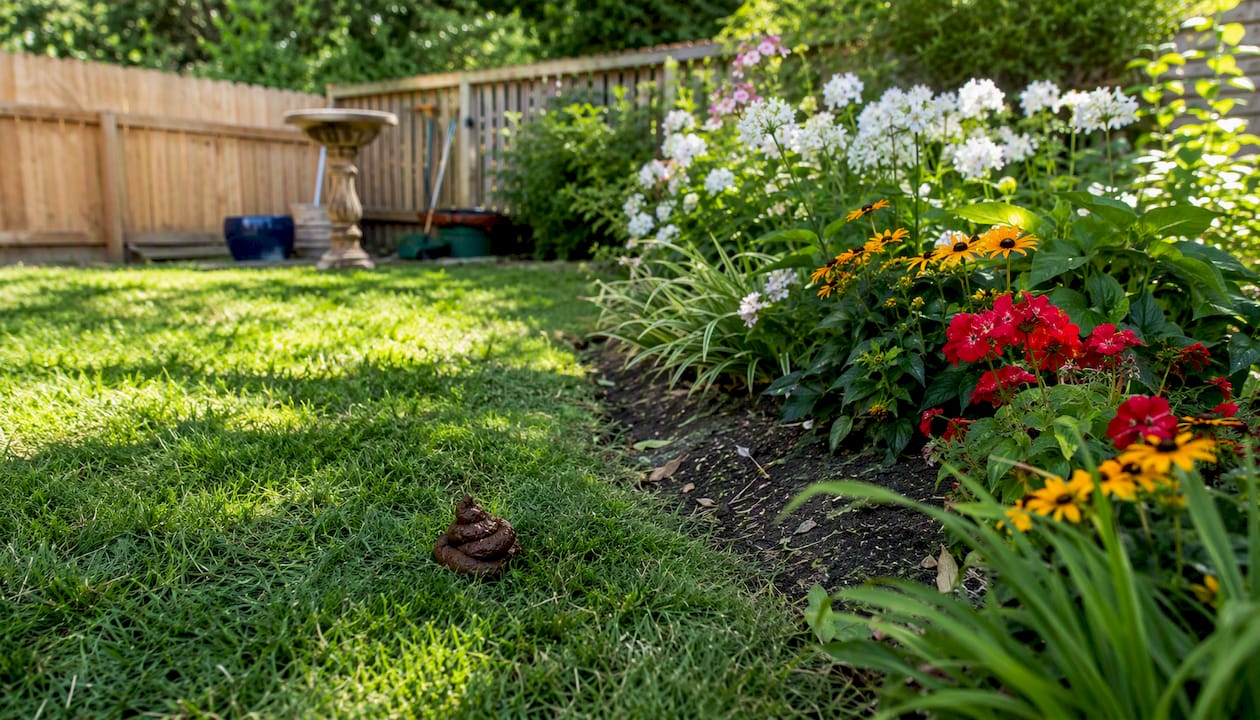
You can stop a neighbor’s dog from repeatedly fouling your yard. The fastest path: document every incident with photos and timestamps, ask the owner calmly (or leave a polite note), file a complaint with your local 311 line or animal control if it continues, and use humane deterrents to reduce repeat visits. Escalate to a formal demand letter or small-claims court only after informal steps fail and you have a solid paper trail.
Start here today:
- Cover or bag any waste already in your yard (gloves, sealed bag, household trash)
- Photograph the waste in place before removing it, and note the date, time, and location
- If you know the owner, speak to them or leave a friendly written note today
Before you report or send a demand letter, have these ready:
- A dated incident log (at least 3–5 documented occurrences)
- Photos or video showing the dog on your property
- Any prior communication with the neighbor (texts, notes, emails)
- Estimated repair or cleanup costs if your lawn has been damaged
Key Takeaways
Documenting incidents, asking calmly, filing a complaint with animal control or 311, and using humane deterrents resolves most neighbor dog fouling disputes without legal action.
| Point | Details |
|---|---|
| Document first | Photograph waste in place with timestamps and keep a written log of every incident before reporting. |
| Report with a pattern | File with 311, animal control, or your HOA after several documented incidents for the best chance of enforcement action. |
| Try deterrents in parallel | Motion-activated sprinklers, perimeter repellents, and fencing repairs reduce repeat fouling while complaints progress. |
| Demand letter before court | Send a certified-mail demand letter with a 14-day deadline before filing in small-claims court. |
| The Poopinator | Handles recurring cleanup in Indianapolis and Orlando so you can focus on resolving the dispute, not the sanitation. |
Table of Contents
- How to report a neighbor’s dog pooping on your property
- What evidence actually holds up when you report or go to court
- Which laws apply and who enforces them
- What to do when the situation is more complicated
- How to approach the neighbor without making things worse
- Practical deterrents that actually reduce repeat fouling
- How to safely clean up and dispose of dog waste
- When and how to pursue legal action
- What to realistically expect after you file a complaint
- Why patience and documentation beat anger every time
- Skip the mess entirely with professional cleanup
- Sources
- FAQ
How to report a neighbor’s dog pooping on your property
Reporting works best when you’ve already tried talking to the owner and the problem persists. A single incident rarely triggers enforcement action. A documented pattern does.
Decide first: informal or official?
If you know the owner and the fouling has happened only once or twice, a calm conversation or polite note is almost always faster than filing a complaint. Most disputes resolve at this stage once the owner knows there’s a problem. If you’ve already tried that, or the owner is hostile, move to official channels.
Filing options, in order of escalation:
311 / City services portal. Most U.S. cities let you report animal waste violations online, by phone, or through a city app. Many systems accept anonymous submissions and issue a complaint confirmation number. Save that number. Modesto’s reporting channels illustrate how city reporting options vary by municipality, including online forms and phone lines.
Animal control. Call your local animal control agency when the dog is off-leash, the owner is unresponsive, or the fouling is chronic. Animal control can issue warnings, document repeat offenses, and escalate to fines.
Non-emergency police or sheriff. Relevant if the owner becomes threatening or the situation involves harassment. Not the right first call for a waste complaint alone.
HOA or property manager. If you live in a community with a homeowners association, your CC&Rs likely include pet-waste rules. File a written complaint with the HOA board and request a response in writing.
What to include in any complaint:
Dates and times of each incident, the address or location, the type of evidence you have (photos, video, log), any health or lawn-damage impacts, and any prior contact with the owner.
After you file: most agencies acknowledge complaints within a few business days. If you see no action within two weeks, call back with your complaint ID and ask for a status update. Agencies prioritize cases with documented patterns, so keep adding to your log.
Sample complaint you can adapt:
What evidence actually holds up when you report or go to court
Organized evidence is what separates a complaint that gets action from one that gets filed and forgotten. Legal experts consistently recommend keeping a journal with photos and video before pursuing any formal step.
Build your evidence package around these four elements:
- Timestamped photos. Photograph waste in place before removal. Your phone’s camera automatically embeds date, time, and GPS coordinates in the file metadata. Don’t edit or filter these images.
- Short video clips. A 15–30 second clip showing the dog on your property is more persuasive than a still photo. Capture the animal, the location, and the waste if possible.
- A written incident log. A simple notes app or spreadsheet works. Record the date, time, approximate location on your property, weather conditions, and any witnesses. Consistency matters more than detail.
- Witness contact information. A neighbor who saw the same dog repeatedly is a credible corroborating source. Get their name and phone number.
For official action or small-claims court, frequency and pattern matter more than a single dramatic incident. Three to five documented occurrences over a few weeks, all logged consistently, carry real weight. If your lawn has been damaged, photograph the affected grass and get a quote from a landscaper for repair costs. Dog waste causes measurable lawn damage that can support a property-damage claim.
Storing your files: create a dedicated folder labeled with the neighbor’s address and the start date. Back it up to cloud storage. Name each photo file with the date and incident number (e.g., “2026-03-14_incident04.jpg”) so you can find anything quickly under pressure.
Pro Tip: A $30–$50 motion-activated camera pointed at the problem area gives you automatic timestamped video without you having to be present. Footage captured from your own property is generally admissible. Avoid pointing cameras at areas where your neighbor has a reasonable expectation of privacy, such as directly into their windows.

Which laws apply and who enforces them
Most U.S. jurisdictions have at least one law that covers a neighbor’s dog defecating on your property. The challenge is knowing which one applies to your situation and which agency handles it.
The four main legal categories:
Pooper-scooper ordinances are the most common. They require owners to immediately remove waste their dog deposits on public or private property. Violations are typically civil infractions with fines.
Nuisance laws apply when the fouling is persistent enough to interfere with your use and enjoyment of your property. Odor, health risk, and repeated incidents all support a nuisance claim.
Trespass covers the dog physically entering your private property. If a neighbor’s dog repeatedly enters your private property to defecate, that behavior can form the basis of a trespass or nuisance claim, and owners may be liable for repair costs when you can document damage and specific financial loss.
Property damage claims apply when waste has killed grass, stained surfaces, or caused measurable financial harm. These are civil, not criminal, and require documented costs.
Who enforces what:
| Agency | What they handle |
|---|---|
| Animal control | Off-leash violations, chronic fouling, owner identification |
| Code enforcement | Ordinance violations, property maintenance rules |
| Sanitation / DSNY | Public waste disposal rules, fines for public offenses |
| HOA / property manager | CC&R violations in private communities |
| Police (non-emergency) | Harassment, threats, or criminal trespass |
Typical fines vary widely by city. New York City’s Pooper Scooper Law, enforced by DSNY, carries fines up to $250 for failure to clean up after a dog. In Modesto, California, initial fines run tens of dollars, rising significantly for repeat violations. Your city’s fines may differ, but the enforcement structure is similar.
To find your local ordinance: search “[your city name] municipal code animal waste” or “[your city name] pooper scooper law.” Most cities publish their municipal code online. The 311 portal for your city is also a reliable starting point.
What to do when the situation is more complicated
Not every case fits the standard “talk to the neighbor, file a report” workflow. Here are the most common complications and how to handle each.
The dog belongs to a tenant, not the property owner. The tenant is responsible for their pet’s behavior, but if they’re unresponsive, contact the landlord or property manager directly. Most lease agreements prohibit nuisance behavior, and a landlord has leverage a neighbor complaint alone doesn’t.
You can’t identify the owner. Focus on surveillance first. A motion camera will eventually capture the dog and, ideally, the person walking it. Post a polite neighborhood notice (physical or on a neighborhood app like Nextdoor) describing the dog. File a report with animal control requesting increased patrols in your area.
Your HOA won’t act. Request the specific CC&R provision in writing and ask the board to confirm in writing why it doesn’t apply. If the board is unresponsive, escalate to a written complaint to the full board, then consider consulting a community association attorney. Some states have HOA dispute resolution processes through a state agency.
Public sidewalk vs. your private property. Enforcement differs. On a public sidewalk, the city’s pooper-scooper ordinance applies and animal control or sanitation departments handle it. On your private property, trespass and nuisance law also come into play, giving you additional civil remedies.
Defenses the neighbor might raise:
- “It wasn’t my dog.” Your timestamped video showing the specific animal is your answer.
- “My dog was just visiting.” Repeated visits to defecate on private property still support a nuisance claim.
- “It’s a service animal.” Service animals are still subject to waste-removal requirements under most state laws. The handler is responsible for cleanup.
How to approach the neighbor without making things worse
The conversation you’re dreading is usually easier than the legal process you’re trying to avoid. Most owners genuinely don’t know their dog has been fouling your yard, especially if the dog is off-leash or the owner looks away.
In person vs. a note: speak in person if you have a reasonably civil relationship. A note works better if you’ve had prior conflict or if the owner is rarely home. Either way, keep the first contact friendly and factual.
First-contact script (friendly):
Follow-up script (firmer, after the first contact didn’t work):
Document every attempt at informal resolution. A dated text message, a note you photographed before leaving it, or a brief email all create a paper trail that matters if you later file a complaint or send a demand letter. Legal experts recommend sending a written notice if informal steps fail, and using mediation before pursuing court.
When mediation makes sense: if the relationship is tense but you’d prefer not to go to court, community mediation services offer a neutral third party at low or no cost. Search “[your city] community mediation” to find local programs. Many are free and resolve disputes faster than any enforcement agency.
What to avoid: no threats, no public posts naming the neighbor, no confrontations in front of other people. Keep every communication factual and calm. Anything you write could end up in front of a judge.
Practical deterrents that actually reduce repeat fouling
While your complaint works through the system, deterrents give you something you can do today. The goal is to make your yard less attractive than the next option, not to harm the animal.
Physical fixes:
- Repair any gaps in fencing or hedging where the dog enters
- Add low decorative edging or border plants along the property line
- Use gravel or mulch in hotspot areas (dogs often prefer soft grass)
Active deterrents:
- Motion-activated sprinklers (like the Orbit Yard Enforcer) startle the dog without harming it and work around the clock
- Motion-sensor lights deter nighttime visits
- Commercial pet repellent granules (such as Critter Ridder or Liquid Fence) applied along the perimeter can discourage dogs from entering
Behavioral deterrents:
- Post a polite sign at the property line (“Please clean up after your pet”)
- Spend time in the yard at the times fouling typically occurs, which naturally deters the dog
- Suggest to the neighbor a nearby dog park or walking route that works better for both of you
What to avoid: never use substances that could harm the dog (mothballs, toxic plants, pepper in quantities that cause pain). Traps or anything designed to injure an animal can expose you to animal cruelty liability, regardless of the provocation. Stick to deterrents that are humane and legal. Property experts and legal advisors commonly recommend motion-activated sprinklers, citrus peels, fencing repairs, and commercial repellent granules as the safest and most effective options.
Pro Tip: Try citrus peels or regularly raked mulch in hotspot areas before spending money on commercial repellents. They’re free or nearly free, and if they work, you’ve solved the problem without any investment. Document whether they reduce incidents so you know what’s actually effective.
How to safely clean up and dispose of dog waste
Whether you’re cleaning up your neighbor’s dog’s mess or your own, the process matters for your lawn’s health and your family’s safety.
Basic removal steps:
- Put on disposable gloves before touching anything
- Use a scooper or inverted plastic bag to pick up solid waste
- Seal the bag tightly and place it in your household trash
For disposal, DSNY guidance notes that small amounts of waste in a tied bag can be discarded with household trash, and some agency guidance permits flushing in certain cases. Always verify your local sanitation rules before flushing, since not all municipal systems handle it the same way. For eco-friendly disposal options that go beyond the trash can, there are several responsible approaches worth knowing.
Sanitizing after removal: rinse the area with water, then apply a pet-safe enzymatic cleaner (Nature’s Miracle or Simple Solution work well on grass and hard surfaces). These break down the organic compounds that cause odor and bacterial buildup. On hard surfaces like concrete or pavers, a diluted white vinegar solution is a low-cost alternative.

Lawn repair: if waste has burned or killed patches of grass, rake out the dead material, apply a thin layer of topsoil, and reseed with a grass variety that matches your lawn. Water consistently for two to three weeks.
Safety note: do not add dog waste to a compost pile used for edible gardens. Dog feces can carry pathogens including Toxocara canis (roundworm) and Campylobacter that survive standard home composting temperatures. Avoid harsh chemical disinfectants directly on soil, as they can damage the microbial balance your lawn depends on.
When to hire a professional: if the fouling has been going on for weeks, the buildup is large, or you’re dealing with odor that’s affecting outdoor use of your yard, a professional cleanup service is worth considering. For ongoing situations where the neighbor dispute isn’t resolved yet, a recurring service removes the sanitation burden from you entirely.
When and how to pursue legal action
Legal action is a last resort, not a first move. But when informal resolution and official complaints have both failed, you have real options.
The checklist for when legal action makes sense:
- You have at least several documented incidents with photos, video, or log entries
- You’ve made at least one documented attempt to contact the owner
- You’ve filed at least one official complaint (311, animal control, or HOA) with no resolution
- The fouling has caused measurable property damage (dead grass, stained surfaces, documented repair costs)
Civil remedies explained:
Nominal trespass damages are available even without physical damage, but the dollar amounts are small. Compensatory damages require documented financial loss, such as lawn repair quotes or replacement costs. Nuisance claims are stronger when you can show the pattern interfered with your use of your property over time. Small-claims court handles most of these cases without an attorney, and filing fees are typically low (often $30–$100 depending on your state).
Sample demand letter you can adapt:
Send the letter by certified mail and keep a copy. The certified mail receipt is itself evidence of notice.
Timelines and costs: small-claims cases typically take four to eight weeks from filing to a hearing. Filing fees vary by state. Attorney consultation for a more complex nuisance or trespass claim usually runs $150–$300 for an initial hour, which is worth it if your documented damages are significant. FindLaw’s guidance on neighbor dog trespass is a useful starting point for understanding what courts typically consider.
When to consult an attorney: if the neighbor has responded with threats, if the property damage exceeds your state’s small-claims limit, or if the situation involves a landlord-tenant dispute, an attorney’s initial review is worth the cost. Bring your organized evidence folder, a timeline of events, and any written communications.
What to realistically expect after you file a complaint
Filing a complaint starts a process, not an instant resolution. Understanding the typical sequence helps you avoid frustration and know when to push harder.
Typical agency sequence:
- Complaint intake and logging (usually within a few business days)
- Investigation: a patrol or inspection visit, often unannounced
- Warning issued to the owner (common for first documented offense)
- Fine or citation if the behavior continues after a warning
- Case closure, either resolved or “insufficient evidence”
Cases escalate when there’s a documented pattern, a public-safety concern, or clear evidence of repeated violations after a warning. Single-incident complaints with no photo evidence are often closed quickly. That’s why your incident log and photos matter so much before you file.
Following up: call back with your complaint ID after two weeks if you’ve seen no action. Ask specifically whether an investigation was opened and what the outcome was. If the agency tells you there’s insufficient evidence, ask what additional documentation would strengthen a future complaint.
What enforcement typically won’t do: animal control and code enforcement rarely force a neighbor to repair your lawn or pay your costs. That’s a civil matter. Official enforcement handles the violation itself (the failure to clean up), not the downstream damage. For compensation, you need the demand letter or small-claims path described above.
Why patience and documentation beat anger every time
The instinct when you find waste on your lawn for the fifth time is to confront the neighbor directly and loudly. That’s understandable. It’s also almost always counterproductive.
What actually works, consistently, is the slow accumulation of documented evidence combined with calm, factual communication. Most neighbors who are confronted with a folder of timestamped photos and a polite written notice stop the behavior. They don’t want the legal exposure any more than you want the mess. The ones who don’t respond to that are the ones who end up in small-claims court, where your organized evidence is the entire case.
The other thing worth saying plainly: official enforcement is slow. Animal control agencies are understaffed in most U.S. cities. A single complaint may take weeks to generate any visible response. That’s not a reason to skip filing. It’s a reason to file early, keep adding to your log, and follow up consistently. The agencies that do act tend to act on patterns, not isolated incidents.
Mediation is genuinely underused here. A free community mediation session often resolves a dispute in a single afternoon that would otherwise drag through months of complaint cycles. If the relationship with your neighbor isn’t completely broken, it’s worth trying before you send a demand letter.
Skip the mess entirely with professional cleanup
If the fouling is ongoing while your complaint works through the system, or if you simply don’t want to deal with the sanitation side of this, a professional waste removal service is a practical, no-confrontation option.
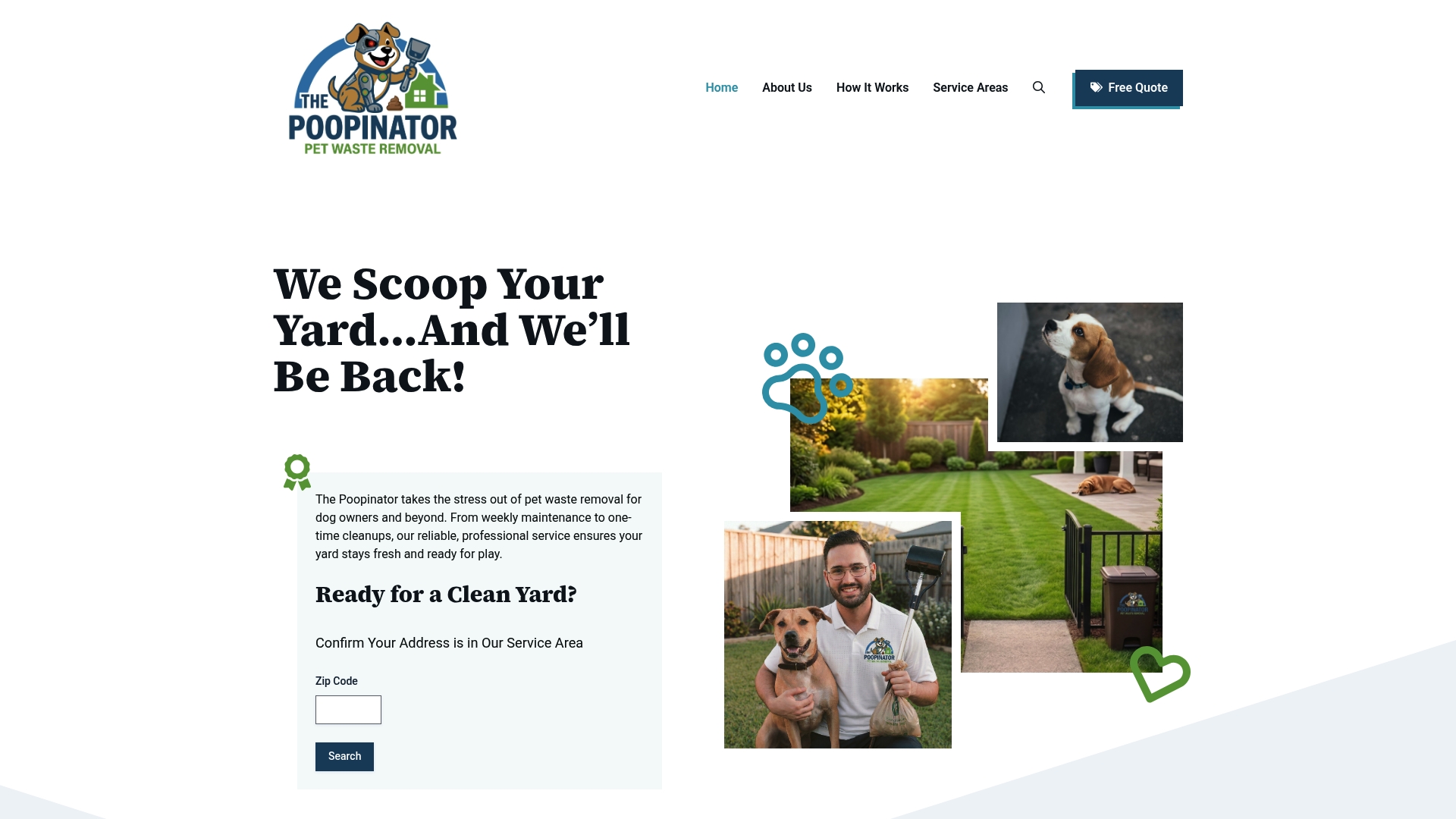
The Poopinator offers scheduled yard cleanup plans in the Indianapolis and Orlando regions, including bi-weekly, weekly, and twice-weekly visits, plus one-time cleanups for larger buildups. Every service uses eco-friendly waste disposal, so you’re not just moving the problem to a landfill. With over 20 years of combined experience and hundreds of five-star reviews, The Poopinator handles the sanitation burden while you focus on the neighbor dispute. If you’re in the Orlando area, dog poop pickup in Orlando is available now. Book a plan or a one-time visit at Thepoopinator.
Sources
Before filing a complaint or taking legal action, verify the rules that apply in your specific city or county. These official and journalistic sources are reliable starting points.
- If a Neighbor’s Dog Poops in Your Yard, Can You Sue? – FindLaw
- Animal Waste – DSNY
- How to report Modesto CA neighbor not picking up dog poop | Modesto Bee
- What can you do if a neighbour’s pet poos in your garden? I asked legal experts and they all agreed | Wales Online
To find your city’s specific rules: search “[your city name] municipal code animal waste” or “[your city name] pooper scooper ordinance.” Your city’s 311 portal is also a direct path to the right reporting form. Save every complaint confirmation number and follow up if you see no action within two weeks.
For larger yard cleanouts beyond pet waste, Fix Move Haul handles property cleanouts in Southwest Florida if you need broader yard restoration alongside waste removal.
This article is general information, not a substitute for advice from a qualified lawyer. Consult a qualified legal professional about your own circumstances before acting on anything here.
FAQ
Can I report a neighbor’s dog for pooping in my yard?
Yes. File a complaint with your local animal control agency, 311 portal, or code enforcement office. Most cities accept online, phone, or app submissions, and many allow anonymous reports.
Can I call the police about a neighbor’s dog pooping on my lawn?
Police are rarely the right first call for a waste complaint, but you can contact the non-emergency line if the owner becomes threatening or the situation involves harassment. Animal control handles most fouling violations.
What can I do if my neighbor won’t pick up their dog’s poop?
Document each incident with timestamped photos, file a complaint with animal control or 311, and send a written notice to the neighbor. If the problem continues after documented complaints, a demand letter or small-claims filing becomes a reasonable next step.
Can I sue my neighbor for their dog pooping in my yard?
You can pursue a civil claim for trespass or nuisance, particularly if you have documented damage and financial loss. FindLaw notes that repeated entry onto private property to defecate can support both trespass and nuisance claims, with owners potentially liable for repair costs.
How many incidents do I need before filing a legal claim?
There’s no universal minimum, but three to five documented incidents with photos, a written log, and at least one prior attempt to contact the owner gives you a credible pattern for enforcement agencies and small-claims court alike.