TL;DR:
- Managing yard waste for multiple dogs requires a structured routine, appropriate tools, and designated disposal methods. Twice daily cleanup, a dedicated potty zone, and a large locking container help protect the lawn and environment. Consistent routines and proper equipment are essential for maintaining a healthy, odor-free yard.
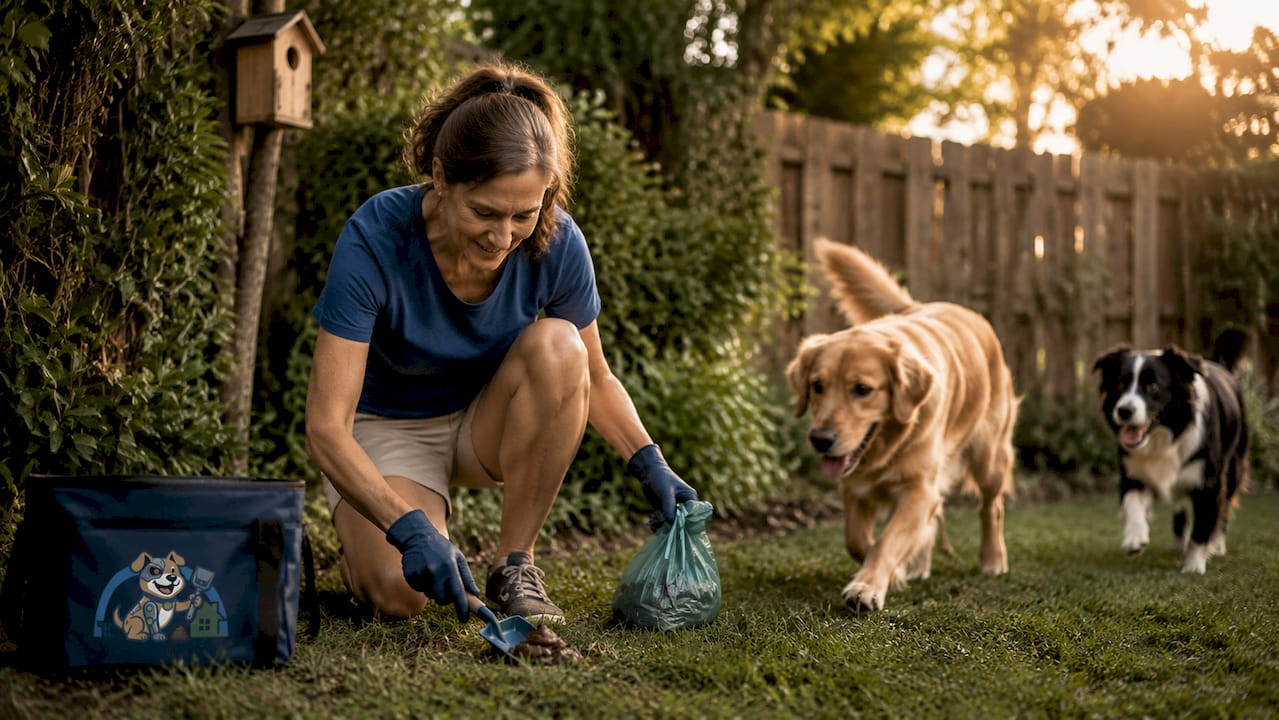
Pet waste management in multi-dog households is defined as the systematic collection, containment, and disposal of feces produced by two or more dogs sharing a yard. The volume alone changes everything. Two dogs can produce significantly more waste than a single pet, and without a structured plan to manage multiple dogs yard waste, your lawn suffers, your family’s health is at risk, and the problem compounds daily. The good news is that the right tools, routines, and disposal methods make the job manageable for any household.
What are the best tools for managing multiple dogs’ yard waste?
The right equipment cuts your cleanup time in half. For multi-dog homes, the standard single-bag dispenser and flimsy scoop simply do not hold up. You need gear scaled to the actual output.
Scoopers come in three main styles, each with trade-offs:
- Rake and pan sets work well on grass and are easy to rinse clean. They are the most affordable option but require bending down.
- Long-handled jaw scoopers let you pick up waste without bending. They are faster on flat surfaces but can miss waste on uneven ground.
- Hybrid claw scoopers combine a spring-loaded jaw with a long handle. These are the best all-around choice for multi-dog yards with mixed terrain.
Bags and dispensers matter more than most owners realize. Proper sealed containers isolate odor and simplify handling, and local regulations vary on composting or flushing. For two or more dogs, buy bags in bulk rolls of 200 or more. Look for thick, leak-proof bags with a tie handle. Scented bags help at the pickup point, but the real odor battle is won at the bin.
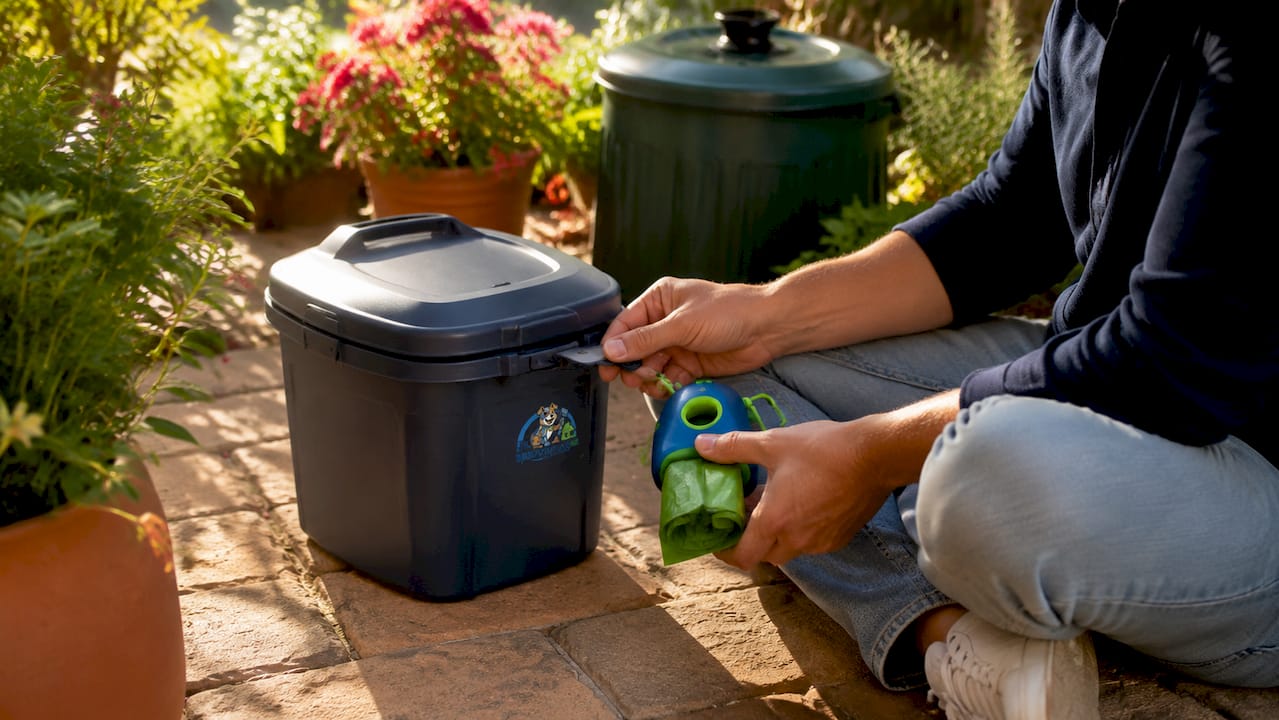
Trash containers for multi-dog homes need two features above all others: a locking lid and a minimum 13-gallon capacity. Multi-dog households require larger capacity bins and bulk supplies to avoid frequent overflows. A dedicated outdoor waste bin, separate from your household trash, keeps odors contained and makes disposal faster.
| Tool | Best For | Key Feature |
|---|---|---|
| Rake and pan set | Grass yards, budget buyers | Easy to rinse, low cost |
| Long-handled jaw scooper | Flat surfaces, bad backs | No bending required |
| Hybrid claw scooper | Mixed terrain, high volume | Fast, precise pickup |
| Locking-lid bin (13+ gal) | All multi-dog homes | Odor control, high capacity |
| Bulk bag rolls (200+) | Daily use, 2+ dogs | Cost-effective, leak-proof |
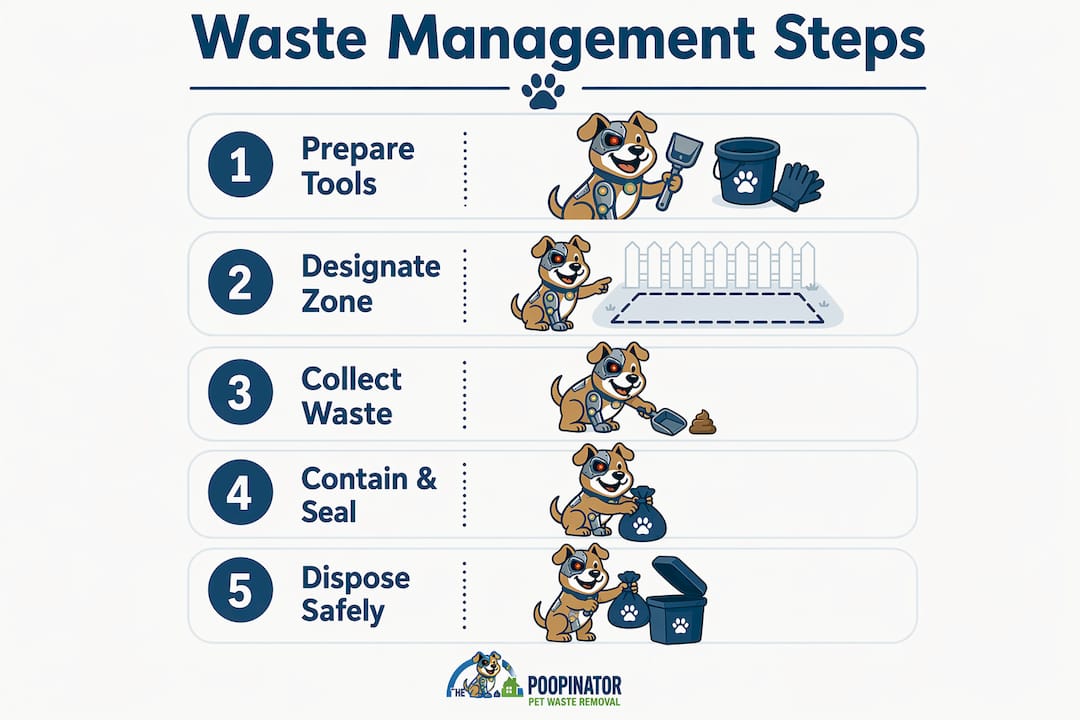
Pro Tip: Stage your supplies near the back door or leash hook. When the tools are within arm’s reach, you are far more likely to clean up immediately after each outing rather than telling yourself you will do it later.
How often should you clean up dog waste with multiple dogs?
The answer is twice daily, without exception. Households with 2+ dogs should adopt twice-daily yard waste cleanup to prevent buildup that causes grass damage and attracts flies. Waste left for more than 48 hours begins to damage the lawn and creates a pest magnet. With two or more dogs, that threshold arrives faster than most owners expect.
Here is a practical daily routine structure that works for multi-dog homes:
- Morning pickup (before 9 a.m.): Walk the yard after the dogs’ first outdoor session. Collect all waste from the previous evening and overnight.
- Evening pickup (after the last outing): Do a final sweep before dark. This prevents overnight buildup and keeps the yard usable in the morning.
- Assign roles in shared households: If two adults share the home, split morning and evening duties. Splitting yard waste management tasks reduces burnout and maintains consistency over the long term.
- Post a schedule near the leash hook: A simple handwritten chart with names and days removes ambiguity. When no one “owns” the task, it gets skipped.
- Schedule a weekend deep clean: Once a week, do a thorough sweep of the entire yard, including corners, along fences, and under shrubs where dogs tend to go unnoticed.
- Review the routine monthly: What works in summer may not work in winter. Adjust timing and roles as seasons and schedules change.
Pro Tip: Tie the cleanup routine to an existing habit, like making morning coffee or locking up at night. Attaching a new task to an established one is the fastest way to make it automatic.
Should you designate a potty area for multiple dogs?
A dedicated potty zone is the single most effective structural change you can make to simplify multiple dog yard care. Containing waste to one area cuts your cleanup time, protects the rest of your lawn, and makes training more consistent across all your dogs.
Setting up the zone:
- Choose a corner of the yard away from play areas, gardens, and foot traffic paths.
- Use gravel, mulch, or artificial turf as ground cover. These materials are easier to clean than natural grass and hold up better under repeated use.
- Mark the boundary clearly with low edging or a simple fence panel so dogs learn where the zone begins and ends.
- Train each dog individually to use the zone using positive reinforcement. Reward them immediately after they go in the correct spot.
Rotating and maintaining the zone:
| Ground Cover | Pros | Cons |
|---|---|---|
| Pea gravel | Drains well, easy to rinse | Can scatter, uncomfortable for some dogs |
| Wood mulch | Soft, natural look | Absorbs odor over time, needs replacing |
| Artificial turf | Durable, easy to hose down | Higher upfront cost |
Rotate the active zone every few months if you use natural ground cover. This gives the soil time to recover and prevents odor buildup from becoming permanent. Designating a specific potty area helps contain waste spread, simplifying cleanup and protecting yard health across the full property.
What are the safest dog waste disposal solutions?
The safest and most widely accepted method is the bag-and-trash approach. Seal the waste in a thick bag, tie it off, and place it in a dedicated outdoor bin. This method works for every household, complies with virtually all local regulations, and keeps pathogens contained.
Beyond bagging, three other disposal options come up regularly:
- Burying: Burying dog waste requires a 6–8 inch deep hole at least 200 feet from any water source to avoid contamination. This is impractical in most residential yards and is not recommended as a primary method.
- Flushing: Flushing dog feces depends on wastewater treatment presence. If your home uses a septic system, flushing is prohibited. If you are on a municipal sewer, check local guidelines before making this a habit.
- Composting: Composting dog waste is possible but requires specific equipment and high temperatures to neutralize pathogens. Standard backyard compost bins are not adequate. The finished compost should never be used on edible gardens.
The misconception that dog waste naturally decomposes quickly leads to negligent cleanup and yard contamination. Dog feces can harbor bacteria and parasites for months in soil, making prompt removal the only reliable protection for your yard and family.
For eco-conscious owners, the environmental risks of dog waste go beyond the yard. The EPA has identified uncollected pet waste as a significant source of bacterial contamination in local waterways. Prompt removal breaks that cycle before it starts.
How do you maintain a healthy yard with multiple dogs?
Even with perfect cleanup habits, a multi-dog yard takes a beating. Concentrated waste and urine stress the soil, kill grass, and create persistent odors. These strategies keep the yard in good shape year-round.
- Aerate and overseed annually: Aerating and overseeding protect dog-traffic lawn areas and restore grass density in high-use zones. Do this in early fall for cool-season grasses or late spring for warm-season varieties.
- Apply enzyme treatments: Enzyme-based sprays break down urine and fecal residue in the soil, neutralizing odor at the source rather than masking it. Products like Simple Green Outdoor Odor Eliminator work well for this purpose.
- Watch for parasite signs: Failure to promptly remove dog waste increases bacterial and parasite risks. Check with your vet about regular deworming schedules, especially if your dogs share the yard with wildlife.
- Do a seasonal yard audit: Walk the full perimeter of your yard each season. Look for hidden waste deposits, damaged grass patches, and odor hotspots. Address each one before it compounds.
- Avoid common cleanup mistakes: Skipping corners, ignoring shaded areas, and letting bins overflow are the most frequent errors. Reviewing your pet waste cleanup habits periodically keeps the system from drifting.
Pro Tip: Dilute urine spots immediately with water from a garden hose. This simple step prevents the nitrogen burn that turns grass yellow and reduces the need for reseeding.
Key takeaways
Managing multiple dogs’ yard waste requires twice-daily pickup, the right tools, a designated potty zone, and a safe disposal method to protect your lawn, your pets, and the environment.
| Point | Details |
|---|---|
| Twice-daily pickup is the standard | Two or more dogs produce enough waste to damage grass and attract pests within 48 hours. |
| Scale your tools to your dog count | Use a locking-lid bin of 13+ gallons and bulk bag rolls to handle higher daily volume. |
| Designate a potty zone | Containing waste to one area with gravel or artificial turf cuts cleanup time and protects the lawn. |
| Bag-and-trash is the safest disposal method | Burying and flushing carry environmental risks; composting requires specialized equipment. |
| Maintain the lawn actively | Aerate, overseed, and use enzyme treatments to keep soil healthy under multi-dog pressure. |
The system matters more than the effort
I have talked with hundreds of multi-dog owners over the years, and the ones who struggle most are not lazy. They are inconsistent. They clean up thoroughly on weekends and let things slide during the week. By Thursday, the yard is a minefield, and the whole thing feels overwhelming again.
The owners who keep clean yards do not work harder. They work on a system. Morning pickup takes four minutes when you do it every day. It takes forty minutes when you skip three days and then try to catch up. That math is the whole argument for routine.
One thing I see people overlook is supply management. Running out of bags mid-week is not a minor inconvenience. It breaks the habit. Keep a backup roll in the garage and a spare bin liner under the current one. When the friction disappears, the routine sticks.
I also want to push back on the idea that eco-friendly disposal is always practical at multi-dog scale. Composting sounds appealing, but most home setups cannot handle the pathogen load from two or more dogs safely. The reality of pet waste decomposition is more complex than the marketing suggests. Bag it, bin it, and focus your eco-energy on reducing plastic bag waste by buying biodegradable options in bulk.
Adapt the system to your household. If mornings are chaotic, do the pickup the night before. If one person always forgets, make it their job after dinner when they are already outside. The best routine is the one you actually do.
— William
Let the poopinator handle the heavy lifting
Managing a multi-dog yard is a real commitment, and some weeks the schedule simply does not cooperate. The Poopinator offers professional pooper scooper service for busy multi-dog households in Westfield, IN and Orlando, FL cleanup, with plans ranging from bi-weekly to twice-weekly pickups. Every visit includes eco-friendly disposal and over 20 years of combined experience behind the work.
Whether you need full-service cleanup or just want to fill in the gaps on your busiest weeks, The Poopinator scales to your household. Hundreds of five-star reviews back up what the service delivers: a yard your family and dogs can actually use. Check the service areas to see if The Poopinator covers your neighborhood.
FAQ
How often should you clean up after multiple dogs?
Twice daily is the standard for households with two or more dogs. Waste left longer than 48 hours damages grass and attracts pests.
What is the best ground cover for a dog potty zone?
Pea gravel and artificial turf are the top choices. Both drain well, hold up under repeated use, and are easy to rinse clean.
Can you compost dog waste from multiple dogs?
Standard backyard compost bins are not adequate for dog waste. Composting requires high temperatures to neutralize pathogens, and the finished product should never be used on edible gardens.
What size trash bin do you need for two or more dogs?
A dedicated outdoor bin with a locking lid and at least 13-gallon capacity handles multi-dog volume without frequent overflow.
Does dog waste really contaminate the environment?
The EPA identifies uncollected pet waste as a source of bacterial contamination in local waterways. Prompt removal and proper bagging prevent runoff from carrying pathogens beyond your yard.