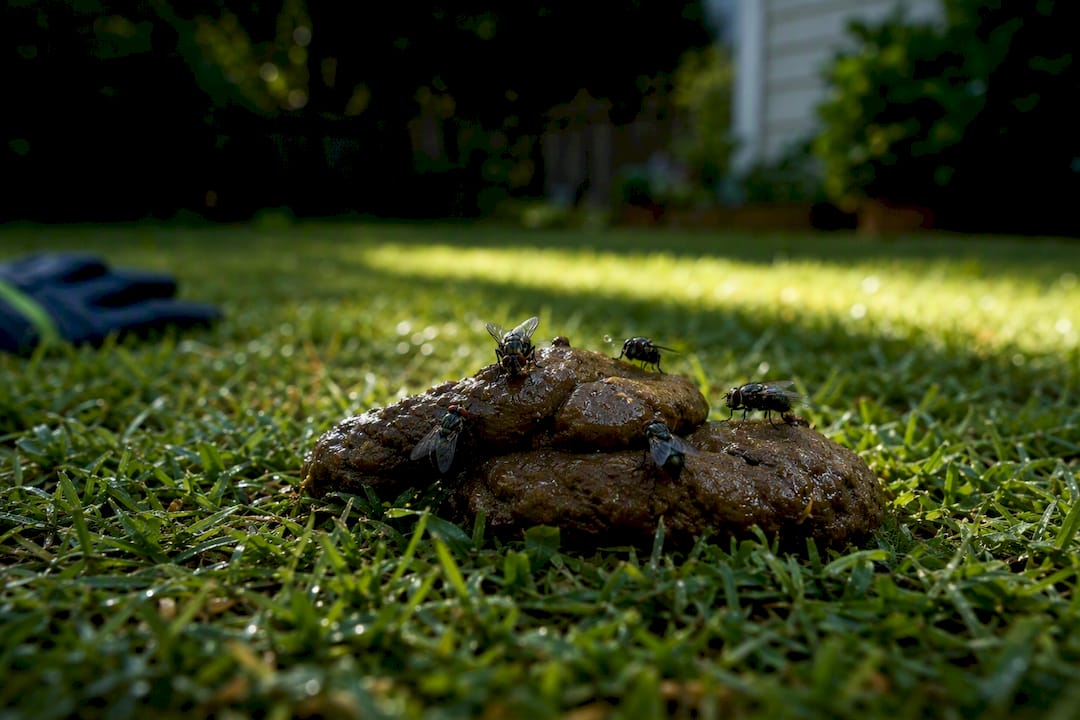
Flies swarm dog poop because fresh feces gives them exactly what they need to breed: food and a nursery for their eggs. The fix isn’t a spray or a trap. It’s speed. Scoop the pile the same day it lands, seal it in a tied bag, and drop it in a lidded outdoor bin. Do that consistently and you cut off the fly life cycle before it starts.
TL;DR:
- Flies can find fresh dog waste within minutes and lay up to 150 eggs in a single batch, with eggs hatching into maggots as early as 8 hours in warm weather.
- Moist, warm, and shaded piles significantly speed up fly breeding, making same-day cleanup essential during hot days.
- Proper disposal involves prompt scooping, sealing waste in a bag, using a lidded bin, and rinsing the area; insecticides do little to prevent eggs already laid.
- Regular yard habitat management, like mowing and removing leaf litter, discourages long-term fly breeding spots and reduces overall infestations.
- Scheduled professional waste pickup services offer a reliable solution for busy owners, preventing fly cycles more effectively than DIY efforts.
Table of Contents
- Why Dog Poop Attracts Flies So Fast
- How Fast Do Flies Lay Eggs in Dog Poop?
- The Health Risks Flies Carry From Your Yard to Your Home
- The Fastest Way to Stop Flies From Dog Poop
- Long-Term Yard Fixes That Keep Flies From Coming Back
- Fly Fixes That Waste Your Time
- When a Scheduled Pickup Service Makes More Sense Than DIY
- How The Poopinator Keeps Flies Out of Your Yard
- Sources
- FAQ
Why Dog Poop Attracts Flies So Fast
Flies don’t wander into your yard by accident. Fresh dog waste releases a mix of volatile compounds, including skatole, ammonia, and various sulfur compounds, and these odors spread through the air in a plume that a fly can detect from remarkable distances. Warm, moist waste amplifies the smell, which is why fly activity spikes in summer and drops off once temperatures fall.
Two fly species do most of the damage in a typical backyard:
- Houseflies are the ones you see hovering and landing repeatedly. They feed on waste and lay eggs directly in it.
- Blowflies, often metallic green or blue, are drawn to decomposing organic matter and tend to show up once a pile has sat for a while.
Both species use scent receptors on their antennae to zero in on a target. Once a fly picks up the odor plume from fresh waste, it can arrive within minutes. That speed is the whole problem. By the time you notice flies circling a pile, they may have already scoped it out as a place to feed and lay eggs, which means the clock on egg-laying and hatching has likely already started.
Moisture matters just as much as smell. A pile sitting in shade or after rain stays soft longer, and that softness makes it easier for female flies to lay eggs beneath the surface, where the eggs are protected from sun and wind.
How Fast Do Flies Lay Eggs in Dog Poop?
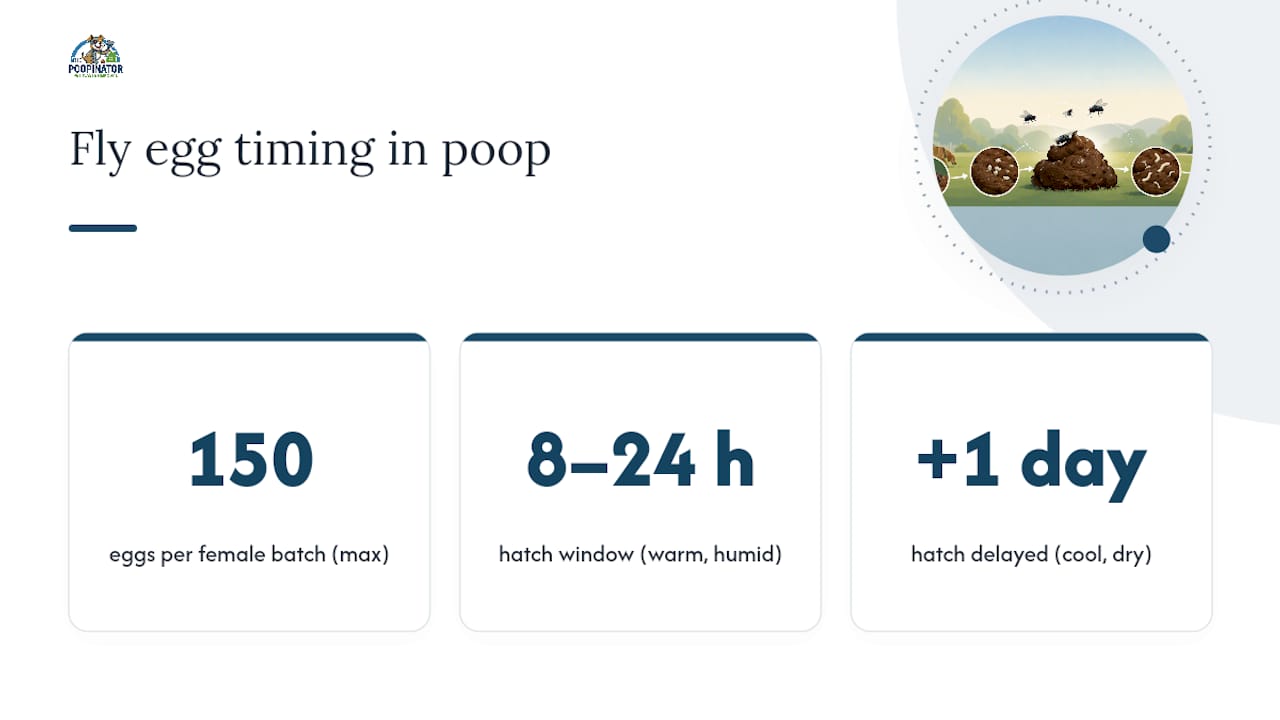
Faster than most owners expect. A female fly can lay up to about 150 eggs in a single batch once she finds a suitable pile, and in warm weather those eggs can hatch into maggots in as little as 8 to 24 hours, according to Penn State Extension.
The fastest breeding window happens on hot, humid days. Waste left out for the day in warm heat can already contain hatching maggots by the next morning.
Temperature and moisture are the two variables that speed things up. Cooler, drier weather slows egg-laying and extends hatch time, sometimes by a day or more. That’s why a pile that seems harmless in the morning becomes a maggot magnet by evening once summer heat kicks in.
The practical takeaway: don’t wait for a “cleanup day.” On warm days, scoop within a few hours of your dog going. On cooler days, you have a little more room, but same-day removal should still be the standard. Waiting a full 24 to 48 hours in summer conditions gives flies enough time to complete an entire egg-to-maggot cycle in your yard.
The Health Risks Flies Carry From Your Yard to Your Home
Flies aren’t just annoying. They’re mechanical carriers of disease, meaning they pick up pathogens on their legs and bodies from waste, then deposit them anywhere they land next, including patio furniture, pet bowls, and outdoor dining surfaces.
Dog waste can harbor a range of organisms that pose real risk to people and pets, including:
- E. coli and Salmonella, both of which cause gastrointestinal illness
- Giardia, a parasite that leads to diarrhea and cramping
- Roundworm and other parasitic worm eggs, which can survive in soil for extended periods
Penn State Extension warns that tools used for pet waste cleanup should never be reused for vegetable gardening without thorough sanitizing, since these organisms can transfer to soil and produce. A fly that lands in a fresh pile and then lands on your grill, your kid’s toy, or your dog’s water bowl is doing the same kind of transfer on a smaller scale.
Simple habits limit the damage. Wash your hands after any yard work involving pet waste, keep food and water bowls covered when they’re outdoors, and hold off on eating in the yard until you’ve done a cleanup pass. None of this requires special equipment, just consistency.
The Fastest Way to Stop Flies From Dog Poop
Breaking the fly cycle comes down to four steps done in order, every time. Skip one and the others lose most of their effect.
- Scoop promptly. Same-day removal is the baseline; on hot days, aim for within a few hours. A long-handled scooper or a no-touch pickup tool makes this fast enough that “I’ll get to it later” stops being an excuse.
- Bag and seal it tight. Use a sturdy bag, tie it off with a proper knot, and double-bag if the waste is loose or the bag feels thin. Sealed bags trap the odor that draws flies in the first place, which matters more than most owners realize.
- Use a dedicated lidded bin. Keep it away from patios, decks, and anywhere people gather. Empty it on trash day and give it an occasional rinse with a vinegar or baking soda solution to knock down lingering odor between pickups.
- Rinse and sun-dry the spot where the pile sat. A quick hose-down followed by sunlight helps break down residue and cuts back on the leftover odor that can still attract flies even after the solid waste is gone.
Pro Tip: Keep your scooping tool and a small stack of bags right by the back door. The single biggest reason owners fall behind on cleanup isn’t laziness, it’s friction. Remove the extra trip to the garage and you’ll scoop far more consistently.
Resist the urge to reach for a broad insecticide spray as a first move. Sprays kill some adult flies on contact but do nothing about eggs already laid in the yard, and heavy use around pet areas creates its own exposure risk for dogs and kids. Removal beats chemicals every time.
Long-Term Yard Fixes That Keep Flies From Coming Back
Daily scooping handles the immediate problem, but a few habitat changes make your whole yard less appealing to flies over the long haul.
Mow your lawn on the shorter side and clear out leaf litter regularly. Flies favor damp, shaded microhabitats, and a soggy patch under a hedge or a pile of wet leaves gives them a place to linger even after waste is gone. Letting shaded soil dry out between waterings removes one more breeding-friendly spot.
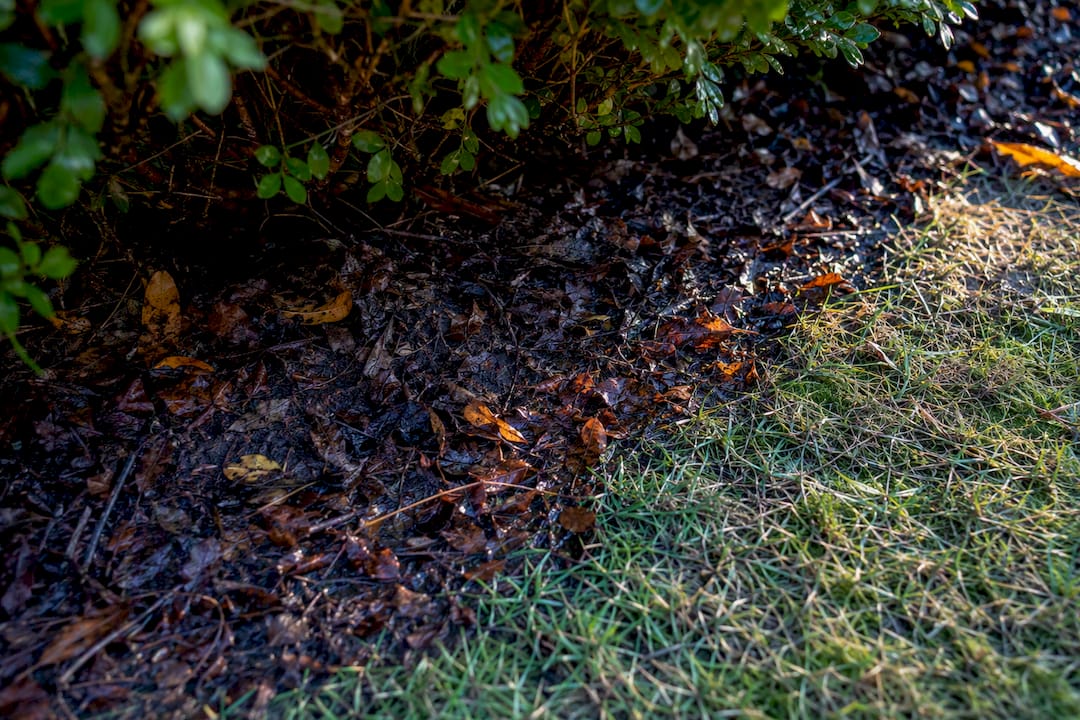
Pay extra attention to hotspots: kennel runs, the base of shrubs, and any area near a compost bin. These zones accumulate waste residue over time even when you’re diligent about the visible piles. Rinse them periodically and let the sun do the rest.
Composting dog waste at home is one long-term fix worth skipping. AKC’s guidance on composting notes that home compost setups rarely reach the sustained heat needed to kill off pathogens, which means a backyard compost pile can end up being a slow-release breeding and contamination site rather than a solution. If your area offers a municipal organics program built to handle pet waste, that’s a safer route than a DIY bin. Otherwise, bagging and trashing remains the most commonly recommended disposal method, and it beats burying, too. Buried waste can take weeks to break down, holding odor and pathogens in your soil the entire time, per Penn State Extension.
Before flushing waste or trying any alternative disposal method, check your local ordinance and septic guidance. The U.S. EPA’s pet waste management recommendations point out that waste left on the ground, or disposed of incorrectly, can wash into storm drains and pollute local waterways, which is exactly why so many municipalities now post rules or provide dedicated pet-waste stations.
Fly Fixes That Waste Your Time
Not every popular trick actually works, and a few are worth crossing off your list entirely.
- Covering piles with dirt, mulch, or grass clippings hides the sight but not the smell, and the eggs underneath stay perfectly viable.
- Hanging fly bag traps and flypaper catch a handful of adult flies but do nothing to stop new eggs from hatching nearby.
- Foggers and broad sprays knock down visible flies for a day or two at best, while breeding sites keep producing more.
If flies have already reached infestation levels despite consistent cleanup, targeted professional pest control can help, but it should be a last resort after removal habits are locked in, not a substitute for them.
When a Scheduled Pickup Service Makes More Sense Than DIY
Some yards make consistent scooping tough. Multiple dogs, a big property, frequent guests, or simply not having the time each day are the usual triggers for looking into a scheduled service instead. A recurring pickup keeps waste off the ground before flies get the chance to find it, which solves the consistency problem DIY schedules often run into. If you’re comparing services, ask about visit frequency, how they handle disposal, and whether their methods lean eco-conscious. Those three answers tell you most of what you need to know.
— William
How The Poopinator Keeps Flies Out of Your Yard
Skipping a day here and there is normal, and that’s usually where flies get their opening. The Poopinator offers bi-weekly and twice-weekly scheduled cleanups built around exactly that gap, with eco-friendly waste disposal handled off-site so nothing sits in your bin building odor.
A recurring visit removes waste before eggs have a chance to hatch, which matters more than any spray or trap once temperatures climb. Instead of tracking scoop schedules yourself, you get a set routine that interrupts the fly cycle automatically. Owners dealing with dog waste problems in Westfield, IN or looking for dog poop pickup service in Orlando can check current availability and plan options directly, or request a one-time cleanup if you just need the yard reset before flies become a bigger problem.
Sources
- Roadside guide to clean water: Proper pet waste disposal — Penn State Extension
- Pet waste management BMPs — U.S. EPA
FAQ
How quickly do flies lay eggs in dog poop?
Flies can locate fresh waste within minutes and lay up to about 150 eggs in a single batch soon after, with eggs hatching into maggots in as little as 8 to 24 hours in warm weather, according to Penn State Extension.
What are the small flies I sometimes see around my dog’s poop?
Those are usually houseflies, which feed and lay eggs directly in fresh waste, while larger metallic green or blue flies are blowflies, drawn once waste has started decomposing.
What bugs does dog poop attract besides flies?
Flies are the most common visitor, but waste can also draw beetles and, in some regions, cockroaches, especially if piles are left for several days near structures.
What kills poop flies?
Removing the breeding source is far more effective than killing adult flies with spray. Scooping waste promptly, sealing it in a bag, and storing it in a lidded bin denies flies the fresh material they need to lay eggs in the first place. A scheduled pickup service accomplishes the same result without you having to manage the schedule yourself.
Does burying dog poop stop flies?
No. Buried waste can take weeks to fully break down, and during that time it keeps releasing odor and pathogens into the surrounding soil, which makes burying a poor long-term fix compared to bagging and trashing.