Short answer: a small accidental taste of dog poop is usually not a poisoning emergency, but it can carry parasites or bacteria worth taking seriously. Wipe the mouth, offer a small sip of water, and call Poison Control at 1-800-222-1222 for advice specific to your child. Most kids recover without incident after brief contact, but a few warning signs mean you should call your pediatrician right away.
TL;DR:
- Most brief accidental tastes of dog poop are not serious but could expose children to parasites like Toxocara or bacteria such as Salmonella and E. coli.
- Picking up dog waste daily and practicing good hand hygiene significantly reduce the risk of infection and environmental contamination.
- Call Poison Control if symptoms like persistent vomiting, diarrhea, or blood in stool occur, or if the child shows signs of severe distress or breathing difficulty.
- Removing waste within two to four weeks prevents eggs from reaching infective stages, making scheduled yard cleanups an effective prevention strategy.
- Educate children with simple rules about not touching dog poop and reinforce handwashing to instill safe outdoor habits without causing fear.
Table of Contents
- What’s actually in dog poop that can make kids sick?
- What to do in the first few minutes after exposure
- Simple yard and hygiene routines that cut the risk
- Combining vet care with cleanup breaks the infection chain
- When a phone call becomes necessary
- How scheduled cleanup fits into a prevention plan
- Managing dog waste with multiple kids or in daycare settings
- What happens if exposure goes unnoticed for a while?
- Teaching kids to understand the risk without scaring them
- A reassuring word on keeping perspective
- Getting started with scheduled yard cleanup
- Where to find the official guidance
- Sources
- FAQ
What’s actually in dog poop that can make kids sick?
Dog feces can carry several organisms that matter more for infection risk than for toxicity. The main ones parents should know:
- Toxocara (roundworm): causes toxocariasis, usually mild but occasionally serious in young children.
- Hookworm: can cause skin irritation or intestinal infection.
- Giardia: causes diarrhea, cramping, and nausea.
- Salmonella and E. coli: bacterial culprits behind stomach upset, fever, and diarrhea.
According to the CDC, children can get toxocariasis by swallowing soil or food contaminated with roundworm eggs from dog feces. Many infections cause no symptoms at all, but young children face a higher risk of more severe disease, including fever, coughing, abdominal pain, or in rare cases, eye damage known as ocular larva migrans.
Toxocara eggs need time to become dangerous. The CDC explains that these eggs take roughly two to four weeks in the environment to become infective, and once they do, they can persist in soil for a long stretch. That timeline is exactly why picking up waste the same day it’s deposited matters more than a weekly sweep. Beyond child health, the EPA also flags pet waste as a source of bacteria and nutrient pollution when it washes into storm drains and waterways, which gives yard cleanup an environmental reason as well as a health one. You can read more about these pathogens in our pet waste health risks guide.
What to do in the first few minutes after exposure
If your child touches or puts dog poop in their mouth, a calm, methodical response works better than panic. Follow these steps:
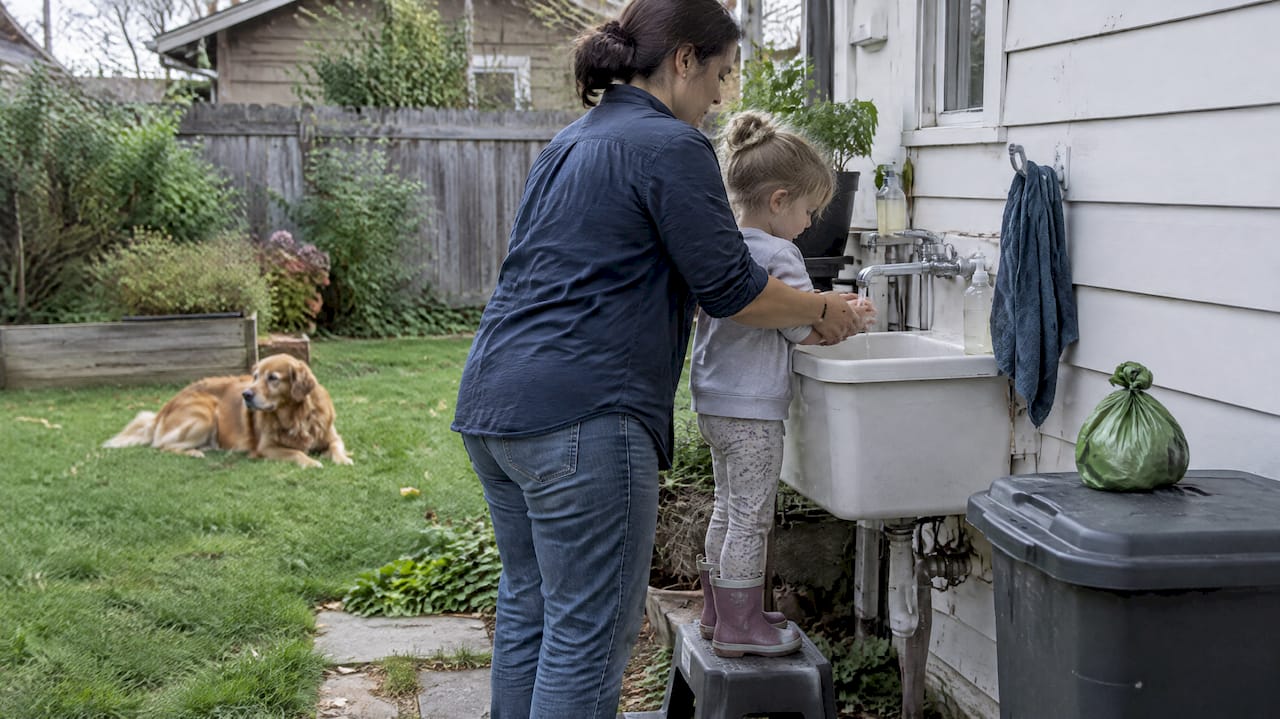
- Remove and rinse. Wipe your child’s mouth, remove any soiled clothing, and wash their hands and yours with soap and water.
- Offer a small sip of water. Don’t induce vomiting unless a medical professional tells you to.
- Watch for symptoms over the next 4 to 48 hours, including vomiting, diarrhea, or stomach pain, and call Poison Control at 1-800-222-1222 for guidance tailored to your child’s age, symptoms, and what you know about the dog’s health.
- Go straight to the emergency room or call 911 if your child chokes, has trouble breathing, collapses, shows signs of severe dehydration, vomits repeatedly, or passes blood in their stool.
Poison Control notes that swallowing a small amount of feces is generally a minimally toxic exposure, which is why calm first aid and monitoring, rather than an immediate ER trip, is the usual first move.
Simple yard and hygiene routines that cut the risk
Prevention beats triage every time, and the habits that work are not complicated. Build these into your routine:
- Pick up waste daily, or as close to it as you can manage, and bag it for trash disposal rather than letting it sit.
- Wash hands after outdoor play or handling the dog, especially before meals.
- Discourage hand-to-mouth habits outside and have kids wear shoes in the yard.
- Designate a clean play zone away from where the dog typically goes, and cover sandboxes when not in use.
- Rinse outdoor toys regularly, especially ones that touch the ground.
Pro Tip: Keep a dedicated bag dispenser by the back door so pickup takes 30 seconds instead of becoming a chore you put off.
Avoid hosing waste toward storm drains, since untreated runoff can carry bacteria into local waterways. Sealed-bag trash disposal is usually the safer default unless your municipality has specific guidance otherwise. For more on why daily removal matters beyond the immediate yard, see why dog poop removal matters for your yard. If your outdoor containers also need attention, a sanitation provider like American Bin Cleaning can handle the trash-bin side of things.
Combining vet care with cleanup breaks the infection chain
No single step eliminates risk on its own. The combination is what works.
- Routine deworming and fecal testing at the vet reduce how many eggs an infected dog sheds into your yard, and puppies need particular attention since they’re more likely to carry parasites.
- Frequent pickup keeps eggs from reaching the infective stage described earlier.
- Handwashing closes the last gap between contaminated hands and a child’s mouth.
The CDC’s prevention guidance reflects this layered approach: veterinary parasite control, daily pickup, and handwashing together, not any one measure alone. After a known contamination event, wipe down shoes and play equipment with soap and water, and wash any affected clothing on a hot cycle.
When a phone call becomes necessary
Most small exposures resolve without drama, but certain symptoms call for professional input rather than a wait-and-see approach.
Call your pediatrician if your child has diarrhea lasting more than 7 days, vomiting beyond 24 hours, a persistent fever, blood in the stool, or signs of dehydration or severe abdominal pain. Vanderbilt Health lays out these thresholds clearly for parents trying to decide whether a symptom is routine or worth a clinic visit.
Call Poison Control at 1-800-222-1222, or use webPOISONCONTROL, any time you’re unsure whether an exposure needs more than home monitoring. They’re free, available around the clock, and can walk you through what to watch for based on your specific situation.
Go to the emergency room or call 911 for breathing trouble, collapse, seizures, or if your child becomes difficult to wake.
How scheduled cleanup fits into a prevention plan
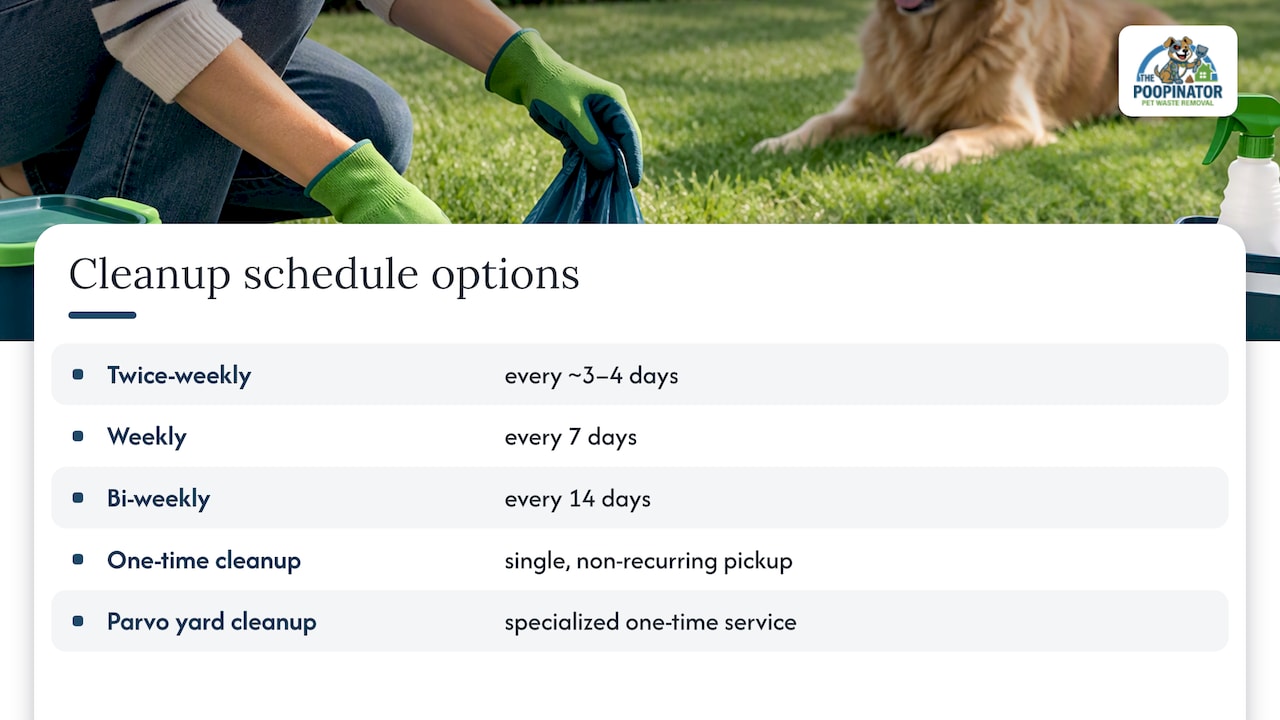
Since the embryonation window for Toxocara eggs runs two to four weeks, the practical defense is removing waste before it reaches that stage, not catching up once a yard is overdue. A professional pet waste removal service can be built around that timeline, with years of experience and customer reviews. Plans include bi-weekly, weekly, and twice-weekly scheduled pickups, along with one-time cleanups and a specialized Parvo yard cleanup option for households dealing with that specific concern.
Scheduled removal shortens the window when eggs or bacteria sit accessible in the grass, which complements vet-recommended deworming and the handwashing habits already covered. Everything is disposed of using eco-friendly methods. Parents who want the specifics on how pickups are scheduled and run can see how it works.
Managing dog waste with multiple kids or in daycare settings
More children in one yard means more opportunities for contact, so the margin for error shrinks. A few adjustments help:
- Increase pickup frequency. A yard with several children playing daily benefits from same-day removal rather than a bi-weekly schedule, since more feet and hands mean more chances for contact before waste is cleared.
- Assign a consistent adult to the task. In daycare or multi-caregiver households, waste pickup can fall through the cracks when everyone assumes someone else handled it. A posted schedule or checklist helps.
- Separate the dog’s bathroom area from play areas whenever the yard layout allows it, so toddlers and crawling infants, who are most likely to put hands or objects in their mouths, have less exposure.
- Reinforce handwashing as a group routine, not an individual reminder. Kids are more consistent about washing hands when it’s built into a transition, like coming inside after outdoor time, rather than left to memory.
- Keep a log of the last pickup date if multiple adults share yard duties. It takes the guesswork out of whether the yard is due for a cleanup.
Daycare settings with outdoor play areas that border a neighbor’s yard or a shared green space carry an added wrinkle: waste from a dog you don’t control. In those cases, teaching children a firm “we don’t touch that” rule and keeping shoes designated for outdoor play only adds a layer of protection that doesn’t depend on another household’s habits.
What happens if exposure goes unnoticed for a while?
Most children who have brief, one-time contact with dog feces experience no lasting effects. The concern grows when exposure is repeated or goes undetected for longer periods, since some infections, including toxocariasis, can produce no symptoms at all while still causing internal effects.
The CDC notes that young children are more likely than adults to develop severe disease from Toxocara infection, with possible outcomes including fever, coughing, and abdominal pain. In rare instances, larvae can migrate to the eye and cause damage to vision, a condition known as ocular larva migrans. This outcome is uncommon, but it’s the reason pediatricians take unexplained eye symptoms in a child with yard or pet exposure seriously rather than dismissing them.
Because many infections don’t announce themselves with obvious symptoms, repeated low-level exposure in a yard that isn’t cleaned often is a bigger long-term concern than a single accidental taste. This is part of why routine removal, not occasional cleanup after you notice a problem, is the standard public health recommendation. A yard that’s cleared consistently simply gives fewer organisms the chance to reach the infective stage in the first place.
Teaching kids to understand the risk without scaring them
Young children respond better to simple, repeatable rules than to detailed explanations of parasites. Framing matters more than vocabulary here.
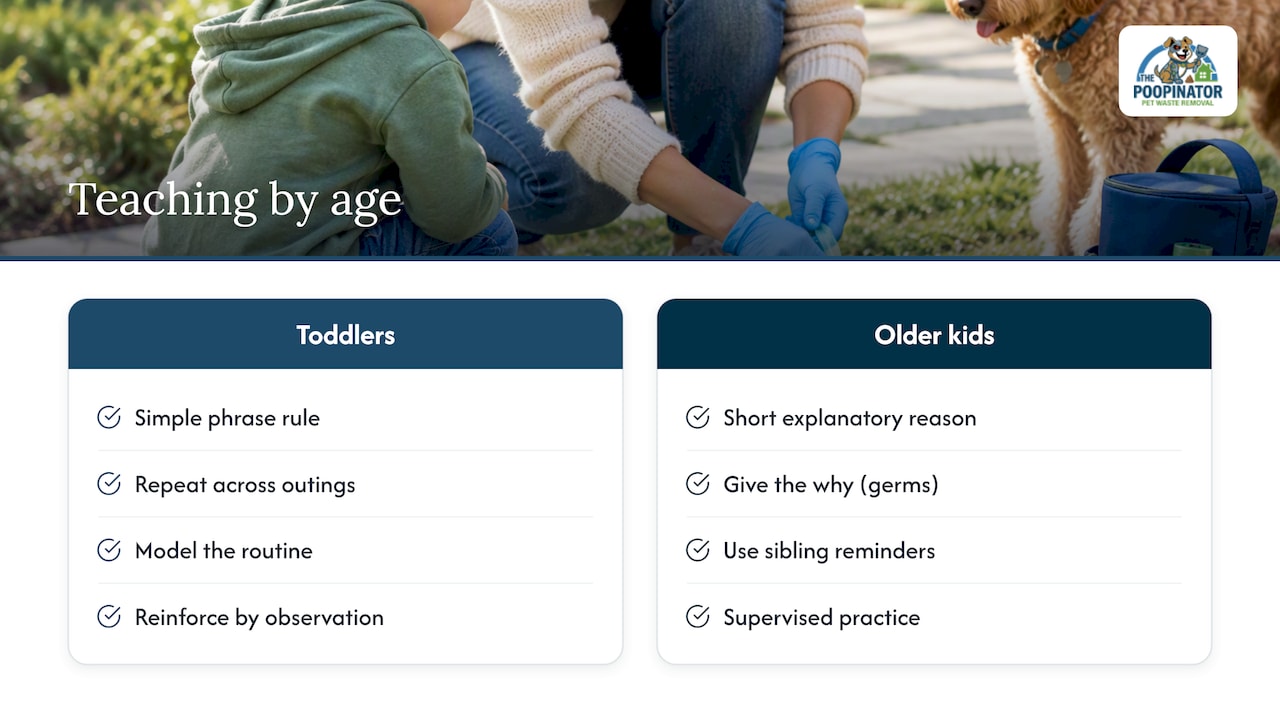
For toddlers and preschoolers, a short, consistent phrase works best: “we don’t touch dog poop, and we tell a grown-up if we see it.” Repetition across many outdoor outings builds the habit faster than a single serious conversation. Pairing the rule with a visible routine, like watching you pick up waste and seeing you wash your hands afterward, reinforces it through observation rather than instruction alone.
Older children can handle more context. Explaining that dog poop can carry germs that make people sick, without going into parasite life cycles, gives them a reason for the rule rather than an arbitrary restriction. Letting an older sibling help remind a younger one, under supervision, also builds a household culture around the habit rather than making it one parent’s constant correction.
Avoid making the topic frightening. The goal is a matter-of-fact boundary, similar to looking both ways before crossing a street, not a source of anxiety about the family dog or the backyard in general. Dogs remain safe, enjoyable companions for children when basic hygiene habits are in place around them.
A reassuring word on keeping perspective
Most kids who get into dog poop once in a while are fine. The handful of things that matter are simple: act calmly, call Poison Control if you’re unsure, and keep up with vet visits and yard pickup so the risk stays low in the first place. None of this requires constant vigilance, just a routine you can stick to.
— William
Getting started with scheduled yard cleanup
A clean yard does more of the prevention work for you than any single reminder to wash hands. Scheduled pickup plans can provide ongoing risk reduction, rather than a one-time fix you have to remember to repeat. These plans often vary in cleanup frequency and pricing depending on yard traffic and service needs.
These plans typically use eco-friendly disposal methods and rely on local service expertise, with positive customer feedback supporting their effectiveness. Parents dealing with a known Parvo exposure can also book the specialized Parvo yard cleanup service. To see exactly how scheduling works and pick the plan that fits your yard, visit how it works and get a cleanup on the calendar.
Where to find the official guidance
For parents who want to go straight to the source, these are the agencies and clinical resources behind the recommendations in this guide:
- CDC: About Toxocariasis, covering transmission and prevention.
- CDC: How Toxocariasis Spreads, covering egg development timelines.
- Poison Control: The Scoop on Poop, covering first aid for feces exposure.
- Vanderbilt Health: What to Do if Your Child Eats Dog Poop, covering clinical thresholds for escalation.
This article is general information, not a substitute for advice from a qualified doctor. Consult a qualified healthcare professional about your own circumstances before acting on anything here.
Sources
- About Toxocariasis | CDC
- How Toxocariasis Spreads | CDC
- The scoop on poop | Poison Control
- What to do if your child eats dog poop — My Vanderbilt Health
FAQ
What do I do if my child ate dog poop?
Wipe your child’s mouth, offer a small sip of water, and wash everyone’s hands with soap and water. Watch for symptoms over the next 4 to 48 hours and call Poison Control at 1-800-222-1222 if you have questions specific to your child.
What infections can kids get from dogs?
Children can pick up Toxocara (roundworm), hookworm, Giardia, Salmonella, and E. coli from contact with dog feces. Most cases are mild or produce no symptoms at all, though the CDC notes young children face higher risk of more severe illness.
What are some signs that a dog is uncomfortable with a child?
Dogs often show discomfort through lip licking, yawning, turning their head away, stiffening their body, or moving away from the child. Growling or showing teeth are clearer warning signs that the interaction should stop immediately and the dog should be given space.
What are the potential effects of dog poop on humans?
Exposure can cause gastrointestinal symptoms like diarrhea, cramping, and nausea from bacteria or parasites present in the feces. In rare cases involving Toxocara, larvae can migrate to the eye and cause vision damage, a condition called ocular larva migrans, according to the CDC.